Latest Posts
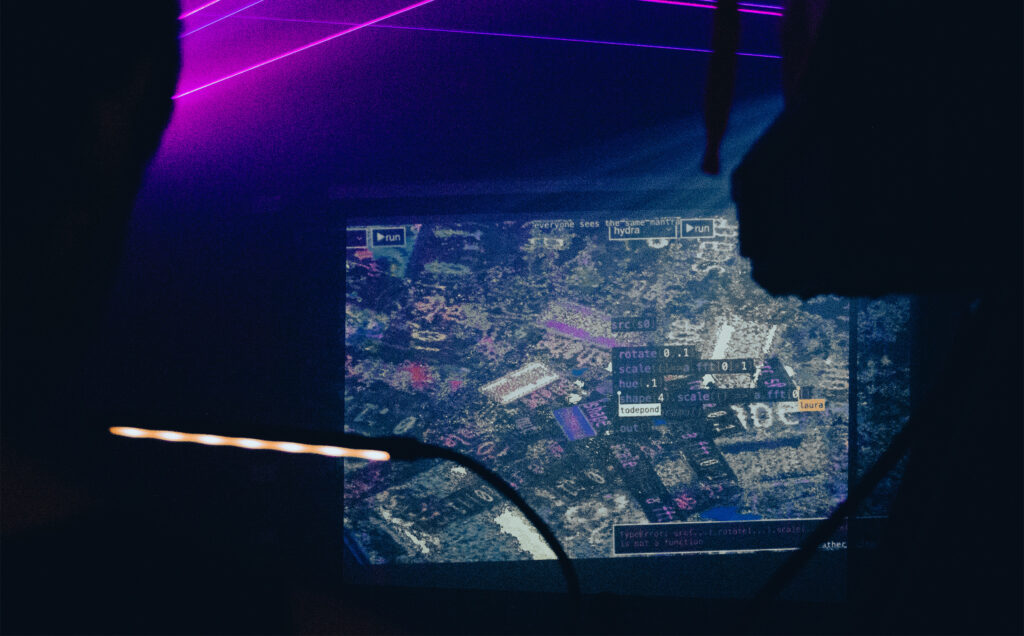
‘London? Live? Coding?’
In South East London, you can find an algorave or two most months, in pubs, churches, clubs and universities. When there’s no algorave on, you can almost certainly find a coding club, game jam, hackathon or permacomputing meetup. More and more of these events are popping up between New Cross, Peckham and Camberwell, with some artists approaching mainstream appeal and developing closer ties with London’s academic world. Here, a range of emerging computational arts courses combine coding with the arts, creating a heavy crossover with the London algorave scene.
Written by Luke Plowden

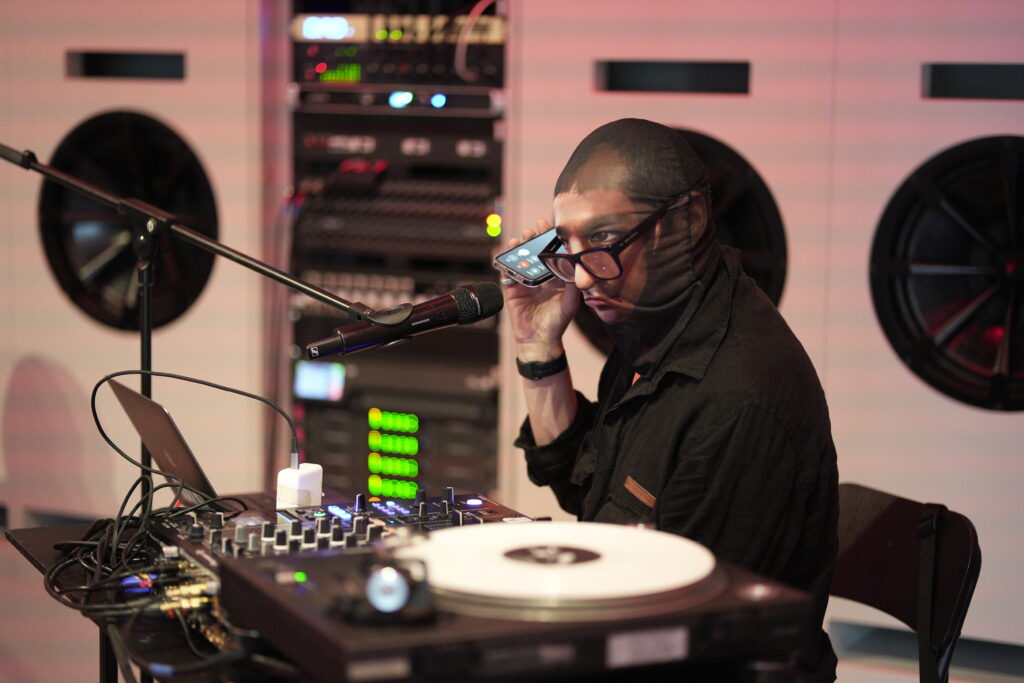
The Rise And Rise Of Nollywood
Nollywood was not born in a studio system, but in the streets, markets and informal networks of Nigerian cities. As cinemas disappeared during the country’s economic crisis, filmmakers and distributors turned cheap video cassettes into a new cultural infrastructure, with places like Surulere, Idumota, Alaba and Onitsha becoming engines of production and circulation. Wale Oloworekende looks at Nollywood through the places that made it possible, tracing how a deeply local ecosystem transformed everyday Nigerian stories into a shared African language and, eventually, one of the continent’s most powerful cultural exports.
Written by Wale Oloworekende

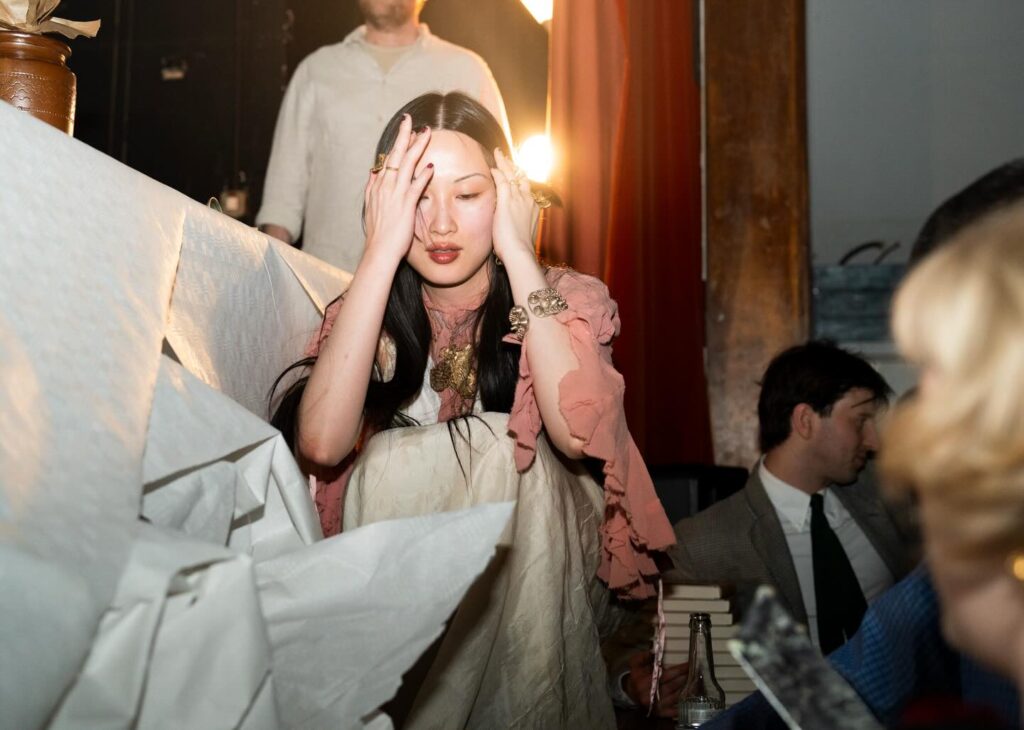
The Night Guaracha Found Its Crudeza
On Bogotá’s Primera de Mayo, nightlife became the engine of a musical revolution. Through the story of Putivuelta and the DJs who reshaped the scene, Felipe Maia revisits the avenue where guaracha found its defining sound and political edge. Far from the clichés of club culture, the genre appears here as a radically local practice, where queer communities, migrant influences and working-class nightlife forged one of Latin America’s most influential electronic scenes.
Written by Felipe Maia