There is No Silence in Tower Blocks. The SUBstructure of Ursynów’s own rap movement in three brief snapshots
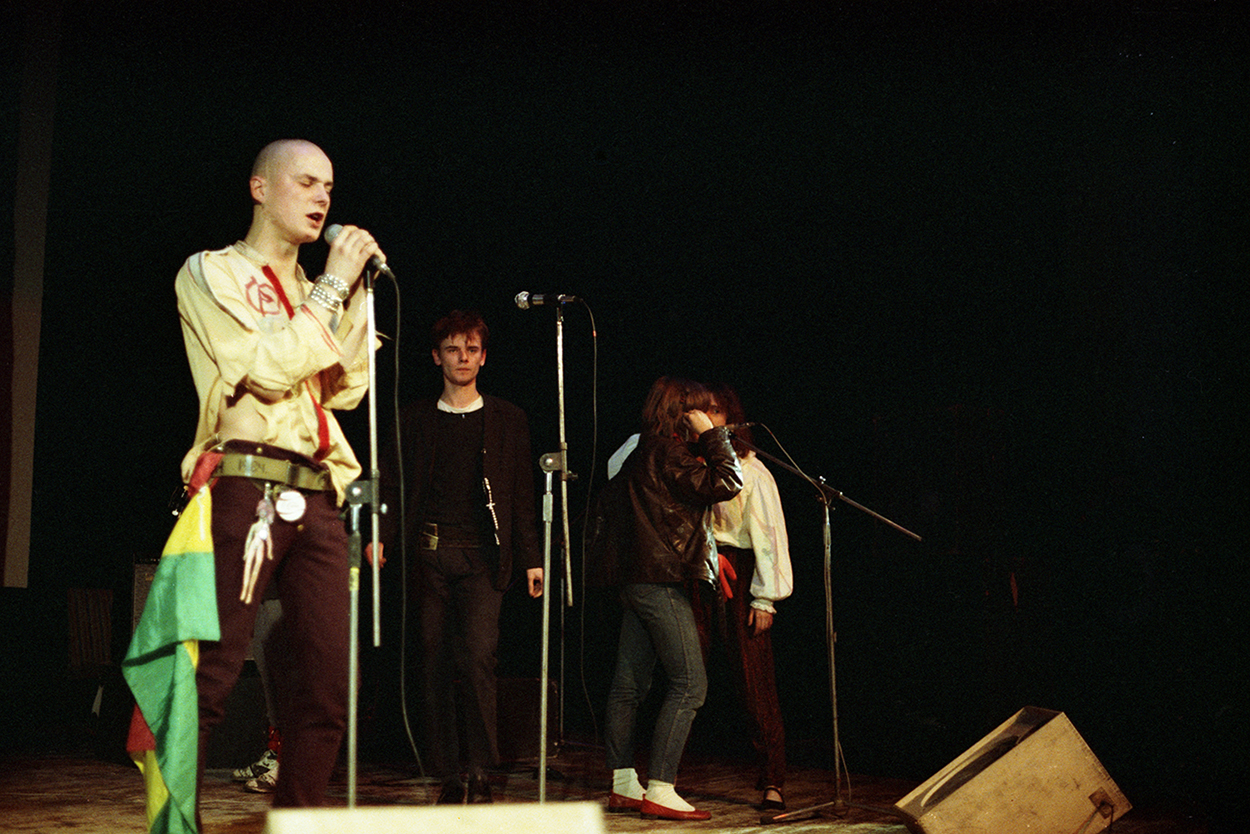
Before Polish hip-hop had a name, Ursynów was already producing the frequencies that would transform Warsaw’s concrete outskirts into an incubator for a distinctly local urban imagination. In the grey, hollow metropolis of late socialism, post-punk experiments, children’s futurism and proto-rap broadcasts collided inside the tower blocks. Through three critical snapshots, Filip Kalinowski uncovers the underground circuitry that turned urban alienation into the foundations of a new cultural language.
While the outburst of hip-hop culture in ‘90s Warsaw is well documented and, in its hectic post-transformation dynamics, somehow linear, the foundations of this movement are scattered across the musical spectrum and various districts of the city.
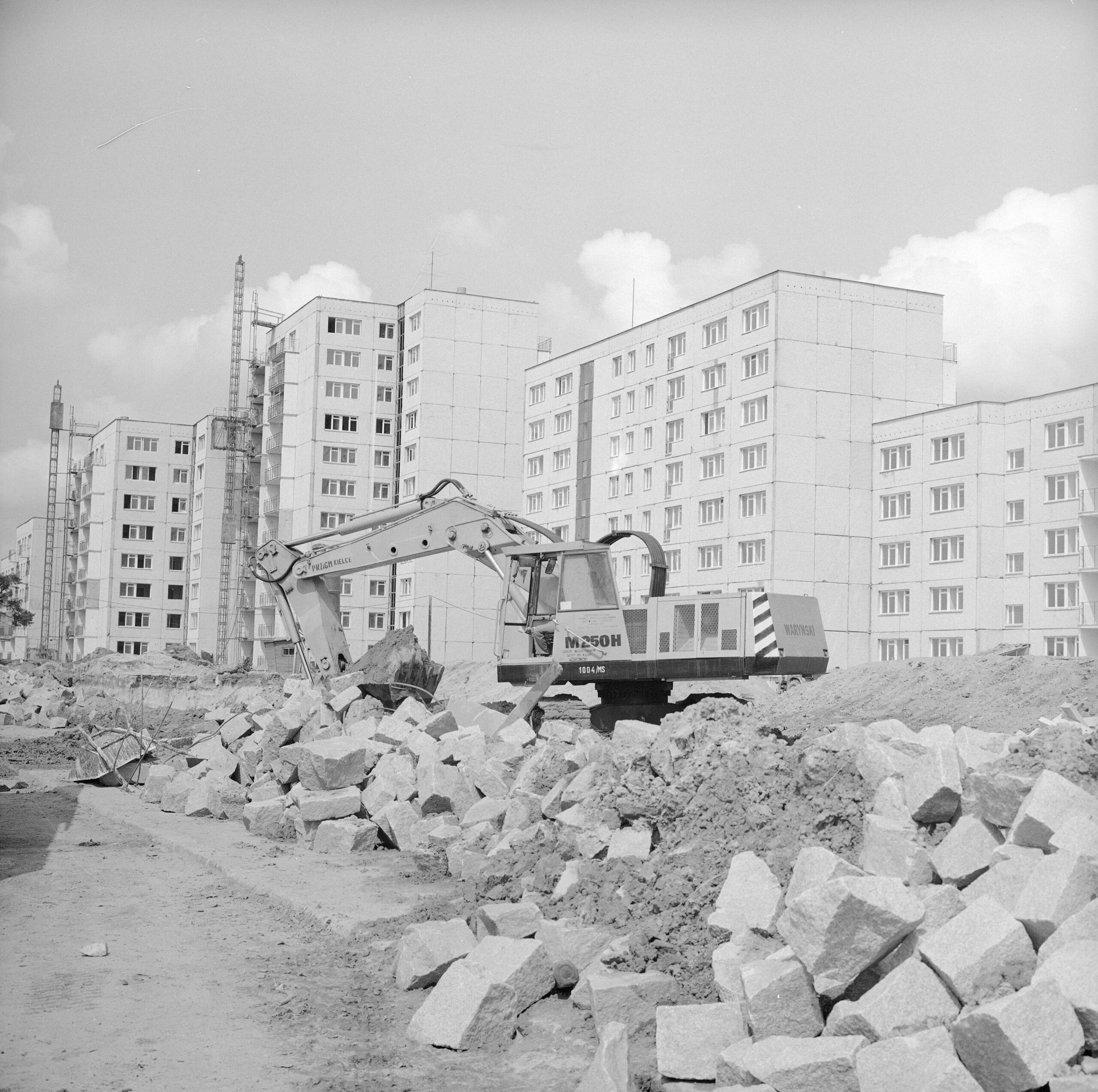
Whether we venture into the state-owned film studios, the rebellious post-punk garrisons or the alternate worlds of childhood imagination, most of these traces seem to gravitate towards Ursynów Północny—a newly built, concrete playground that appeared on the map of Warsaw in the last decades of the 20th century—a socially diverse, yet economically constrained, fresh fabric on the outskirts of the city centre. An endless sea of concrete and tarmac designed with meticulous care, yet it was constructed during the years of constant insufficiency.
Without further delay—let’s go south.
We shall disappear into the grey, hollow metropolis, waiting for the change.
The store shelves are empty, the workers are on strike, and the people are searching for a way to escape.
Back to School
Wojciech Waglewski is an icon of Polish left-field pop music. Whether he played as a sideman for Krystyna Prońko, wrote the legend of the Osjan group, or transcribed his own ideas into sound with the Voo Voo band, his music was always folk-infused, jazz-influenced and somehow dreamy, more or less detached from the trends of the time. The only record that doesn’t easily fit this definition (and his vast catalogue) came to life in 1988, exactly ten years after his first son was born, seven years after the birth of the second. “I’ve got two kids, and I wanted to compose something for them” said Wojciech Waglewski in his interview with Magazyn Muzyczny.
While the majority of children’s records are based on recollections of the past and, more or less, on retromania, Małe Wu Wu was current, modern and even progressive in the still politically restricted, eastward-focused Poland of that time. It literally started from scratch, and it was the first time this technique was used on a Polish record. Performed on a reel-to-reel tape recorder, not a turntable, the futuristically sounding tone of a voice manipulated by hand, for us—the children of a communist country at the brink of change—seemed like a note coming from another dimension. It was our own Futureshock (by Herbie Hancock). It fitted perfectly well with the repetitive rhythm of a drum machine and the nursery rhymes of Tomek Adamczewski and Karolina Poznakowska.
I remember hearing Beastie Boys’ Licensed to Ill a couple of years after its world premiere, at the beginning of the 90s, and it somehow reminded me of... Małe Wu Wu—the album that stands out as one of those not always remembered, great-grandparents of a genre that was yet to take Poland by storm in the next decade.
Two of the most important pioneers of that movement were Bartosz and Piotr Waglewski, the sons of Wojciech Waglewski, who inspired him to dive deep into the realm of children’s songs and the music Western youths were listening to at the time. They are better known as Fisz and Emade—the great auteurs of Warsaw’s own rap scene, which was always too narrow for their free genre-bending and open-minded spirits. Both were raised in a block of flats situated along the Kulczyńskiego Street in the Ursynów district. The place where their father came up with the idea of Małe Wu Wu.
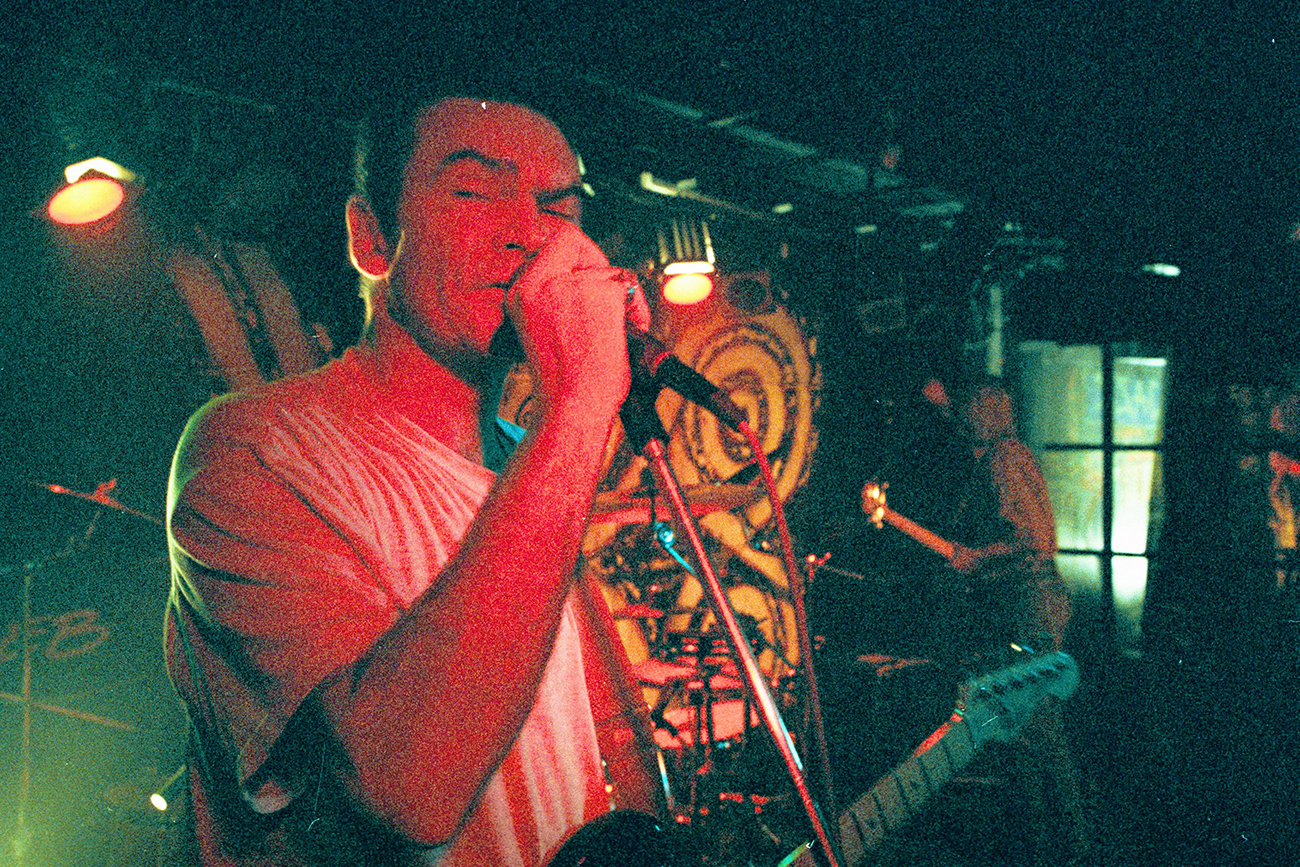
The place that they depicted on their debut record—the only album of the RHX Squad, which was quite accurately named Opowieści z podwórkowej ławki (“Tales from a back-yard bench”), while still no one in the industry knew they were anyhow related to their parent.
Away From Violence
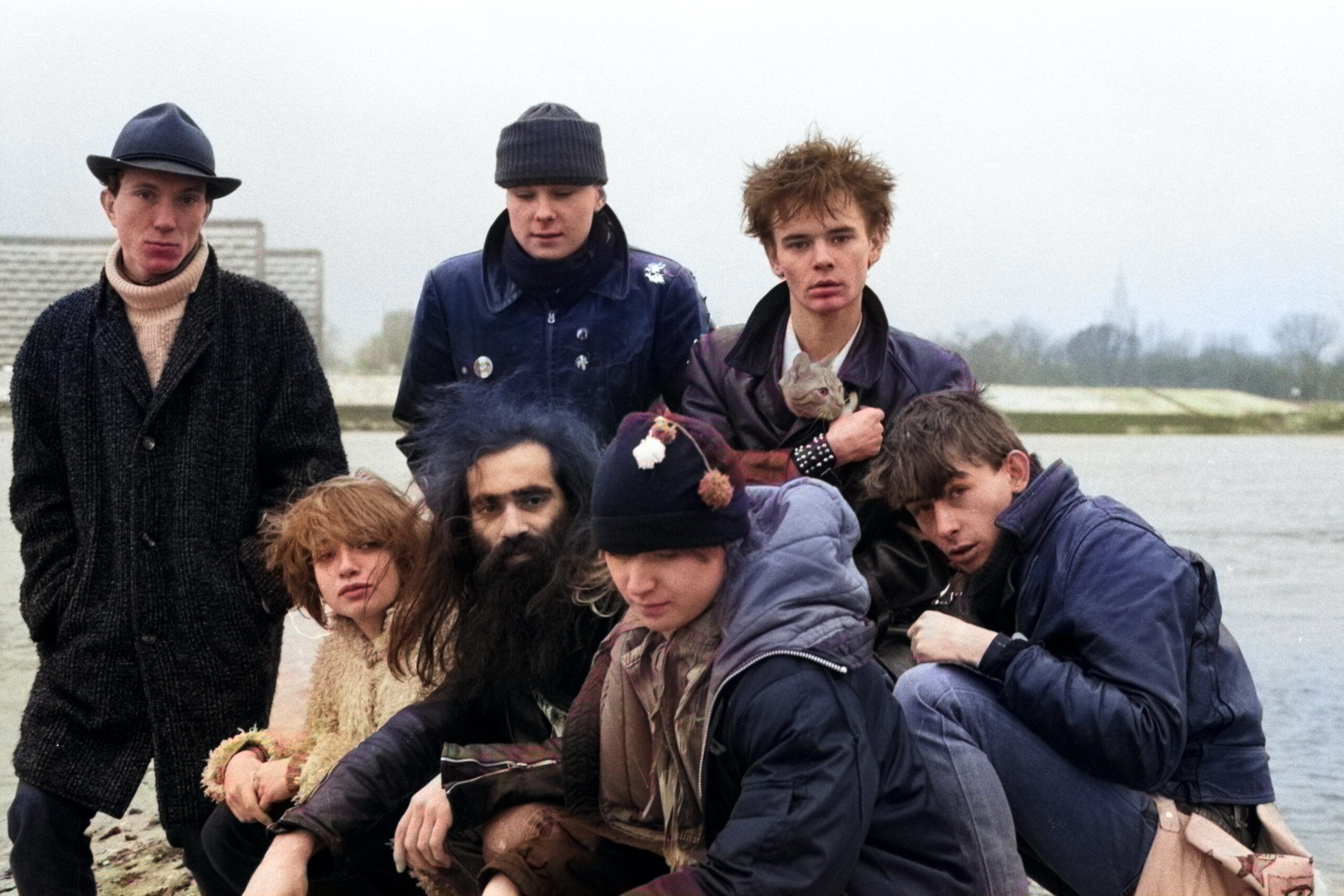
“A husband beats his wife. A wife beats her children. A neighbour is taking a leak. And I’m singing”—rhymed Paweł ‘Kelner’ Rozwadowski on one of the earliest proto-rap tracks in the history of Polish popular music; often called the first Polish rap song by those who are obsessed with what was first. Nie ma ciszy w bloku was released in 1988 on the debut LP of Deuter, a (post)punk band formed in Warsaw by musicians who had played earlier in Fornit, Kryzys and Izrael. It didn’t resemble Grandmaster Flash and the Furious Five’s The Message by accident, as Kelner had this record in his collection and played it over and over in his ever-inviting apartment in Żoliborz.
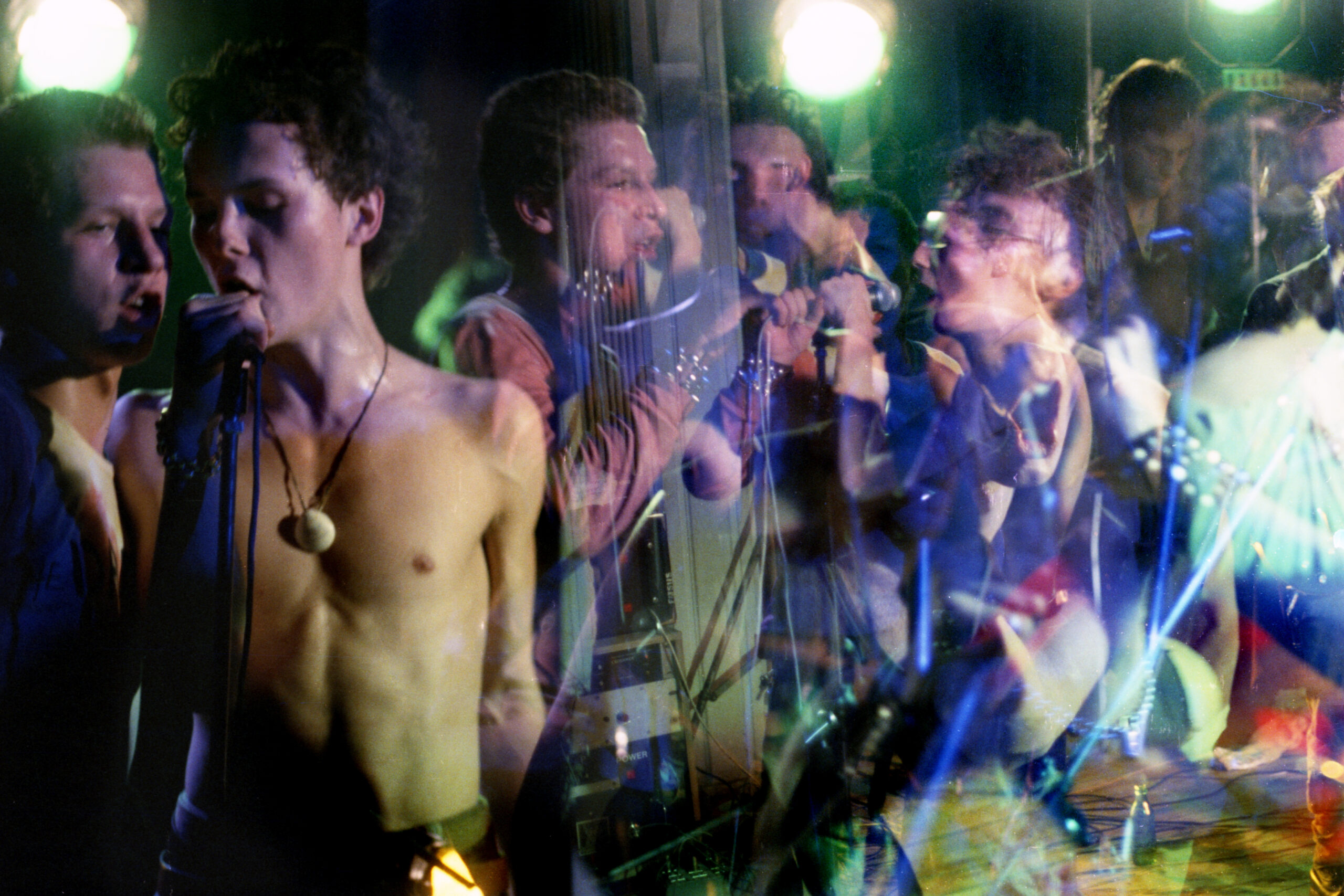
While this district was always associated with artists, writers and residential buildings, Ursynów was the place where tower blocks grew from the mud in the late 70s and early 80s—a newly built city within a city that thrived on the architectural utopia of Le Corbusier. While Deuter was one of the first Polish bands to adapt hardcore noise/mosh dynamics to their live shows, their first studio record was the opposite—cold, distant, slow-paced, austere, introverted, and genre-bending new music for the era yet to come. Paweł ‘Kelner’ Rozwadowski—who discovered hip-hop music during his brief visit to Sweden—was hosting parties in the legendary Hybrydy student club at that time, and the (in)famous “Rap Club” went down in history as the hotbed of the future subculture.
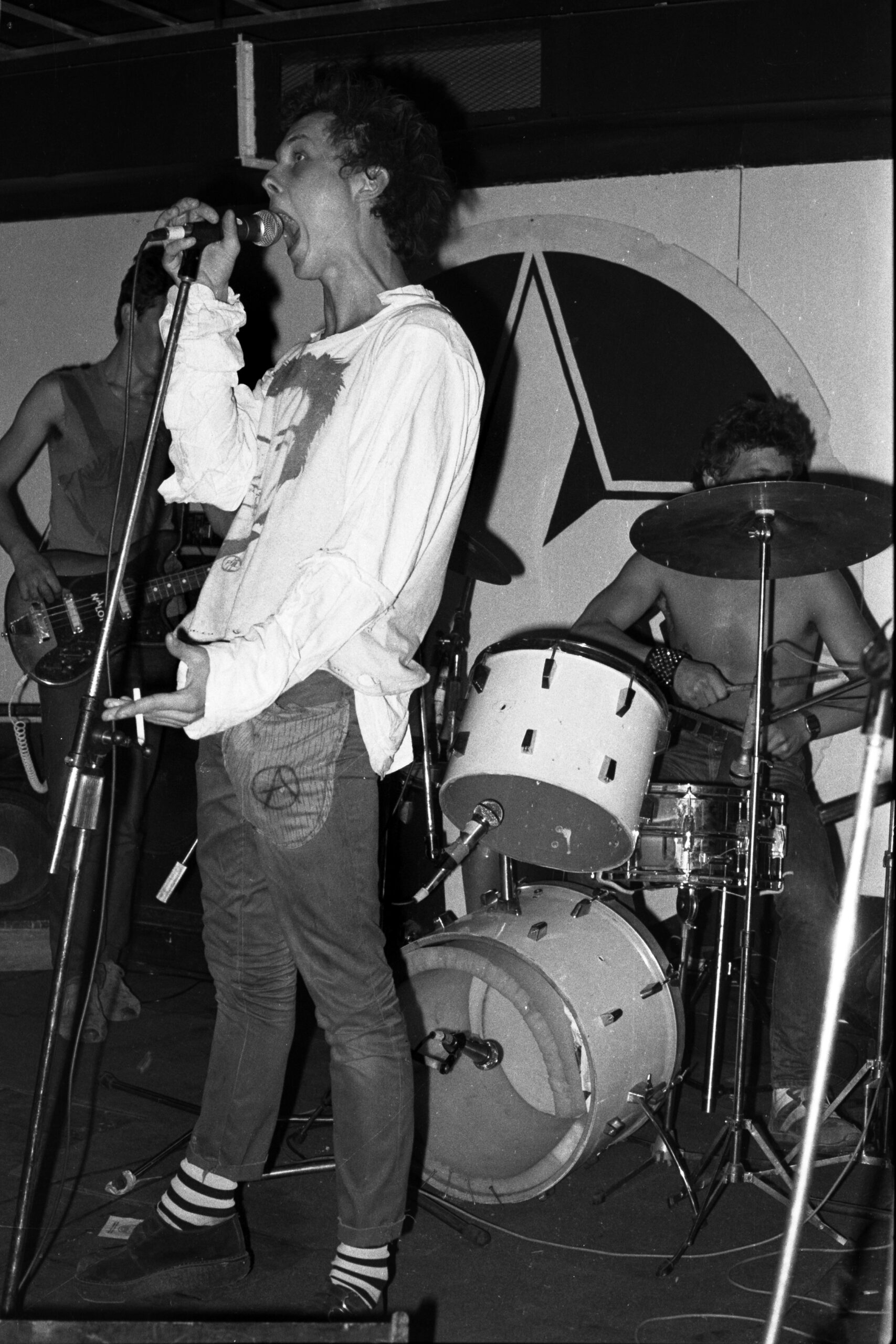
“We’re changing the state symbols, we’re changing the names of the streets and squares, but are we changing the way we think?”—was the question that stayed with its listeners.
The architect of Warsaw rap—DJ 600V played his first set over there, and the godfathers of the local graffiti scene—KoBe Crew stretched their bodies on the dancefloor before their late-night city guerrilla. Rap Club closed in 1988 after a group of Nazi skinheads killed a young attendee a couple of metres from the entrance gate, and the ongoing, ever-present violence that ruled Warsaw at the brink of the millennium was the main factor that led Kelner to slow the music down and cool the listeners’ emotions.
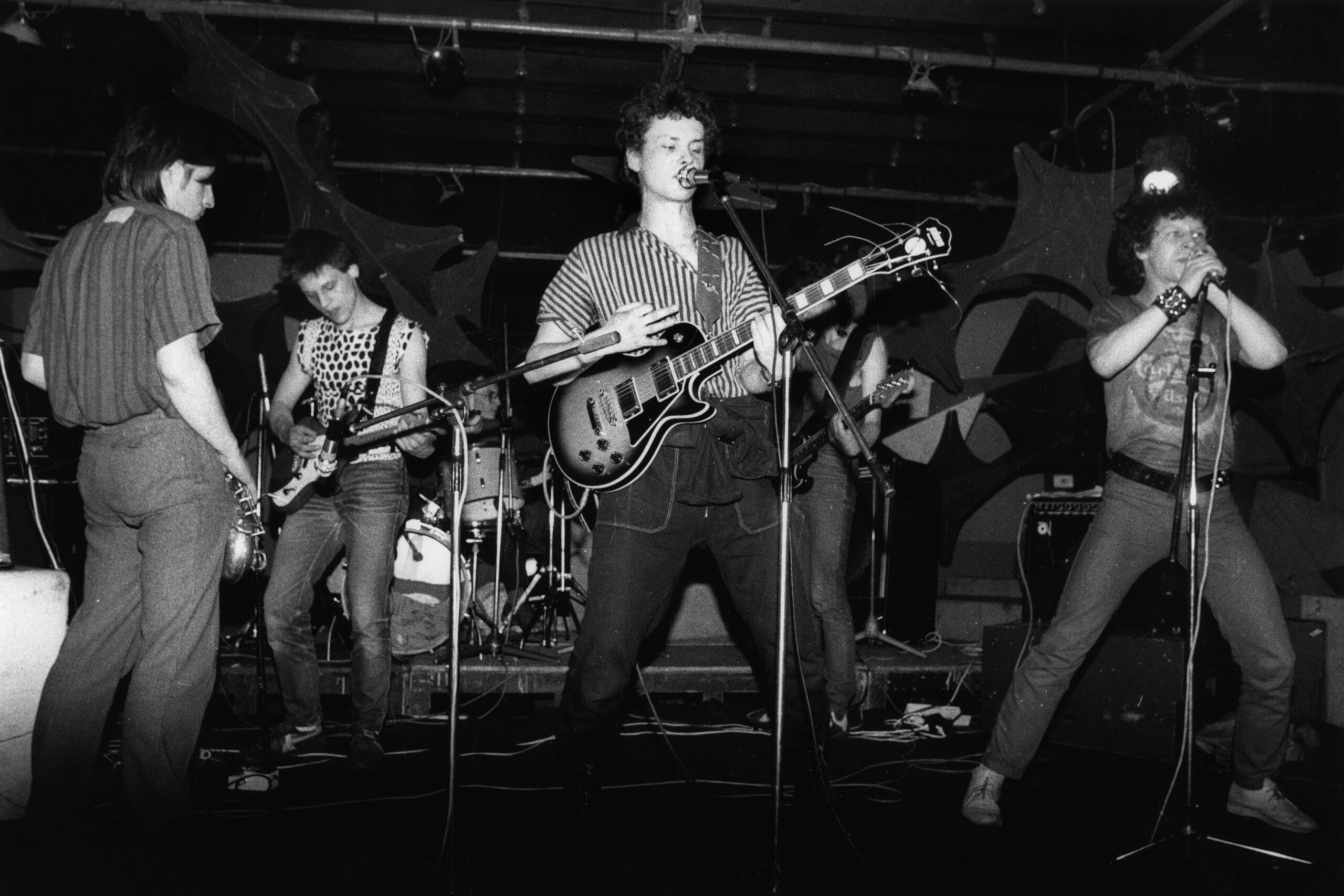
Nie ma ciszy w bloku is an early outcome of this process and a result of his frequent walking excursions to Ursynów. In the ‘90s, he went further along this path, recording Max & Klener’s unique Techno Terror album on which he worked with another open-minded post-punk legend, Robert Brylewski. “We’re changing the state symbols, we’re changing the names of the streets and squares, but are we changing the way we think?”—was the question that stayed with its listeners, no matter whether they lived in the artistic, residential built Żoliborz or the socially mixed, high-rising Ursynów. Wherever you went, it seemed we were joining the West, but at the same time, it was terribly hard to feel safe at night, as “yet another victim of a stabbing was found at the kerbside”, and “gangs were coming from all over the city to the same parties”.
Up Into the Sky
Andrzej Korzyński was always a reference point—anonymous to broader audiences but at the same time hugely influential for local musicians and world music aficionados. While his soundtracks for Andrzej Wajda and Andrzej Żuławski films are still being repressed by the opinion-leading labels like Finders Keepers, in Poland, he’s best known for his most trashy, tongue-in-cheek, dance song entitled Mydełko Fa. While he fleetingly worked on film music in Italy’s own Cinecittà, Ennio Morricone—who had a studio next to him—allegedly asked: Who is this Polish guy who all alone could sound like Jimi Hendrix’s band, or even better? Finding yourself in every given stylistic and taking influence from every other genre were always assets for film composers, and Andrzej Korzyński mastered them like few others. He also took it further into popular music. In 1984, he masterminded a record on which we can hear verses like: “Three words—price doesn’t matter. When the bartender pours me a drink, I start to think”.
This rap-bravado aesthetic was a… role-play prepared by famous Polish actor Piotr Fronczewski. Franek Kimono was the name of this DJ/bouncer/hustler persona. While he could be seen as the great ancestor of the Polish rap game—which later paid its respects to him—the music that accompanied him along his late-night adventures was still disco-driven and somehow too familiar for young Polish listeners who already were searching for something completely new. Paradoxically, Franek Kimono was a bit too streetwise (street-stupid?) for future generations of hip-hop kids. At the same time, the vast majority of them grew up watching Akademia Pana Kleksa (“The Academy of Mr Blot”, 1983) trilogy—an imaginative or even psychedelic saga of a loony yet righteous professor who takes care of his young apprentice and saves the world over and over again.
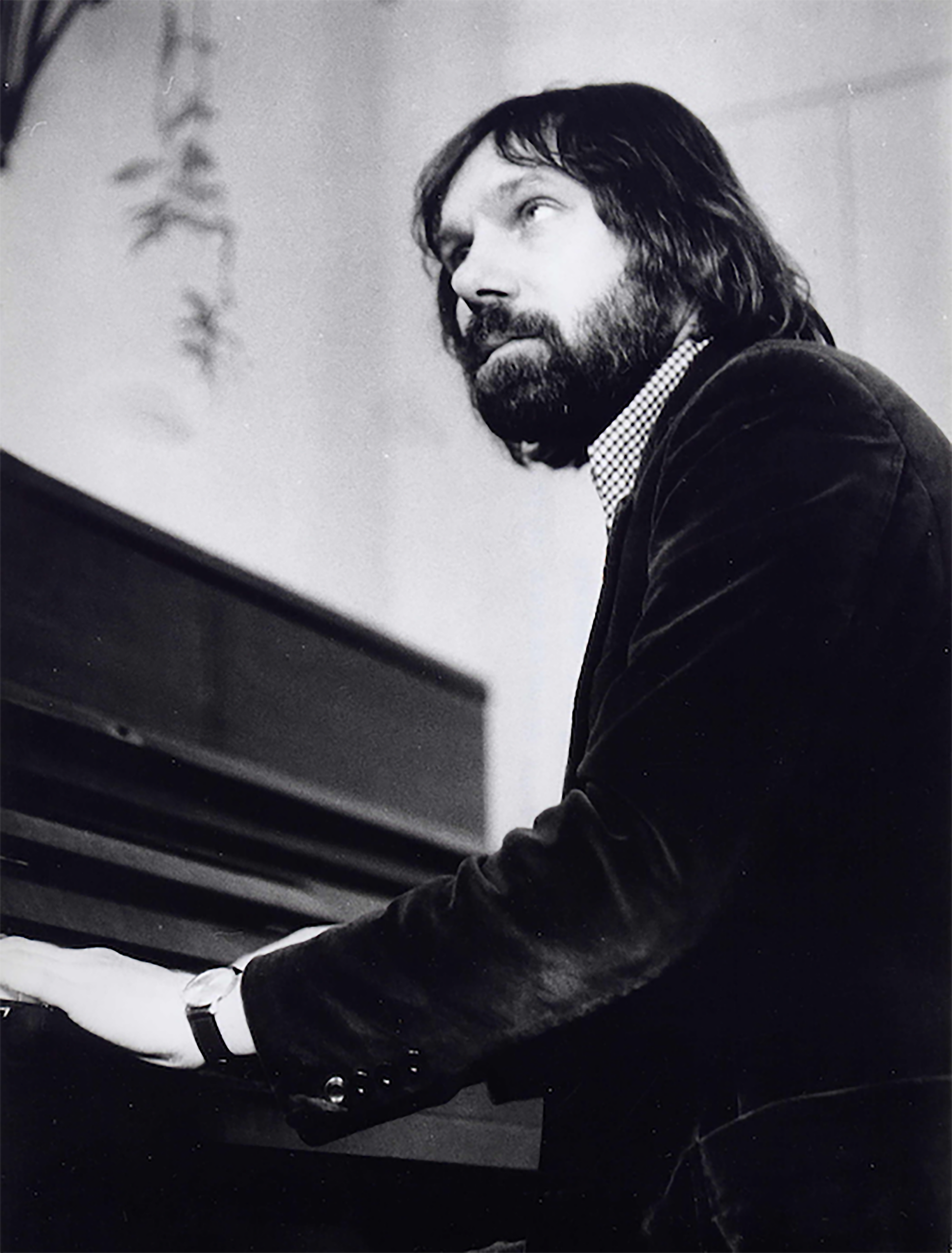
Three parts of this series were all hugely popular for long years, and even if they are a bit forgotten nowadays, every few years somebody reminds the youths about them—Andy Votel, who discovered them by accident, prepared his homage in the form of a Kleksploitation audio-visual show. The whole concept got an inept reboot two years ago. Three parts of this series also served as the most joyful, wide-open and comfortable playground for Andrzej Korzyński, who prepared the soundtrack for all of them.
While he fleetingly worked on film music in Italy’s own Cinecittà, Ennio Morricone—who had a studio next to him—allegedly asked: Who is this Polish guy who all alone could sound like Jimi Hendrix’s band, or even better?
Following the old idea that children’s films could be wrapped in almost every, even the most adventurous music you can think of, he experimented with synthesisers and drum machines while searching for influence in every given genre, ranging from folk music to the relatively new trends like rap and electro. While the lyrics of these songs were (mainly) based on Polish children’s literature classics, their musical form was modern and forward-thinking, especially when we look closely at the last part of the trilogy—Pan Kleks w kosmosie (“Mr Blot in Space”, 1988). While the influence of this music on the youngsters can’t be clearly traced, the amount of samples taken from Andrzej Korzyński’s catalogue (including this pioneering work by the Wilanów-based OMP) seems to be a quite fair representation of the leverage that Pan Kleks had on a generation of people that were about to become the first generation of Polish, Warsaw and Ursynów own rap. As the composer of these soundtracks lived and worked in that concrete (in both senses) part of the capital, we may even think of it more symbolically.
“Ursynów is a bedroom, the time’s slowing down here”—it is a classic verse from the local rap legends Sen MorW.A., and it somehow fits here—only when you have some spare hours, you have time to work on something truly fresh and surprising, something that is clearly inspired by wider global trends but at the same time is separate, stylish and native. Something that in 1988 was yet to come.
***
When it comes to the chronology of Warsaw’s, and, more broadly, Polish hip-hop movement, the history begins in the ‘90s, in the newly rebuilt, democratic and capitalist country looking up to its western neighbours and the mythical yet distant American dream. The ‘90s era of East Coast—and, less often, West Coast—rap was already the main inspiration for the first bands of that wave, and the people who formed them rarely looked back.
The g-funk milieu influenced Poznań, Śląsk was inspired by the Wu-Tang Clan, and Warsaw—with its hard-hitting, hooligan, street-rap that took its shape in the Ursynów district—was into Boot Camp Click, Queensbridge and the French scene. The first generation of local DJs, MCs, and producers had already grown up on the new school aesthetics, and even if they learned their lessons over the years, there was no chance of a U-turn.
That’s why all these early proto-rap experiments seem more important than just loose cards from the history of Polish popular music—together, they form the only old-school we ever had here, besides the Vistula River. And the fact that they all materialised around the perimeter of the Ursynów district seems to be something more than just an accident. Those tarmac courts, concrete playgrounds, and high-rise blocks of flats were just waiting for the next generation to come; for someone who would rhyme its surroundings to the beat like no one before.