Too Fast for the World? Singeli and the Paradox of Going Global
From Seoul to San Juan, hyperlocal sounds are rewriting the rules of global pop, proving that the more rooted the music, the wider it can travel. Yet, singeli, Tanzania’s blistering, homegrown electronic rush, remains largely confined to East Africa and niche European dance floors. In an age that supposedly rewards authenticity and locality, why hasn’t one of the continent’s most radical genres crossed over?
In a world where social media and demographic dynamics have defeated cultural hegemony, pop music no longer feels like one single mainstream format. The biggest album of 2025, DTMF, saw Puerto Rican singer BadBunny building a global triumph out of salsa or merengue, the sounds of a small Caribbean island. Across the global South, similar stories unfold: reggaeton’s takeover from Latin America, K-pop’s meticulously crafted exports reshaping Western charts... We are definitely living through a golden age of hyperlocal music.
The African continent is far from being left behind in these new dynamics. Its pop stars operate smoothly along a diasporic triangle linking the continent to Western Europe and North America, yet increasingly on their own terms, without apology or translation. In Lagos, London or New York, artists like Burna Boy, Wizkid, Asake fill arenas singing in pidgin and Yoruba. When 25-year-old Rema released HEIS in 2024, he stripped away the glossy veneer often associated with export-ready Afrobeats, diving back into the raw textures of 2010s Nigerian street music. The album still charted globally. “I’m keeping it raw, organic… It’s up to the rest of the world to catch up,” he said at the time (Le Code, 2024).
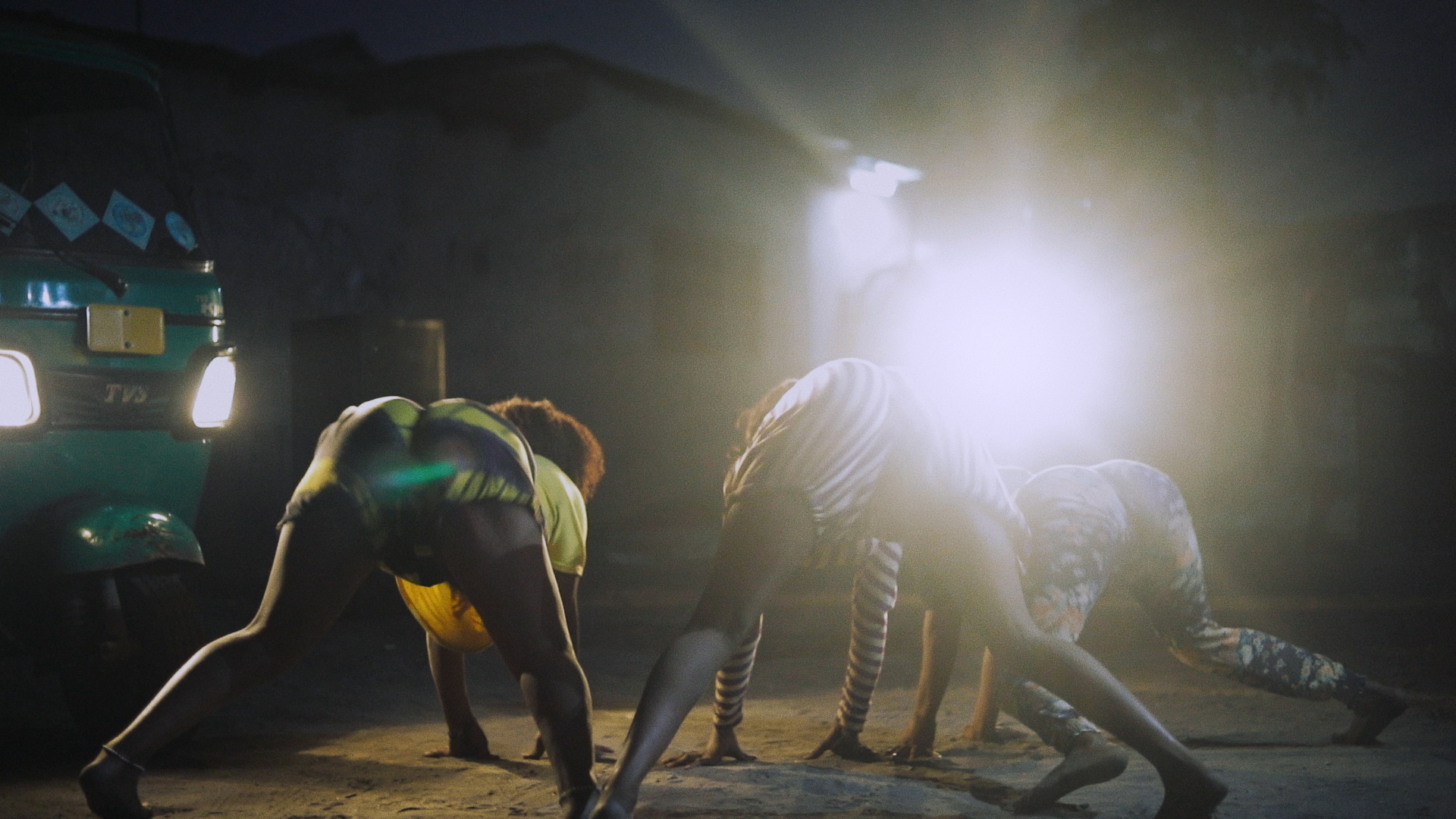
Listening to HEIS and its sprinting drum patterns, raspy synth, and distorted vocals, you sometimes catch flickers of something not so far, after all, from singeli. Born in the working-class neighborhoods of Dar es Salaam, singeli is one of the most radical sounds to emerge from Africa in the past decade: hyperfast, built on relentless loops, distorted melodies and minimal vocals that nod to taarab music while tearing it into something raw and urban. It feels worlds away from the soft-focus clichés long attached to “African music”. For over ten years it has electrified festivals and street parties across East Africa and increasingly, Europe; watch the dust rise over packed crowds in Dar es Salaam and it becomes impossible not to sense its force. Cheap to produce, physically overwhelming, carried by infectious dance and a compelling DIY backstory, singeli has been documented by dozens of articles and documentaries. It has been celebrated by music diggers abroad and championed by festivals known for unearthing hidden gems. In an era that claims to reward the hyperlocal, it is undoubtedly a fascinating, unique and powerful localised sound.
Compared to Afrobeats, amapiano, afropop, local rap mutations or even bongo flava, singeli remains conspicuously absent from continental charts—as if this fiercely authentic, hypermodern sound had chosen a different, more elusive trajectory.
Yet, for all its voltage, singeli has not yet produced the kind of breakout figure who can carry a scene beyond its borders. Unlike South Africa’s globe-trotting DJs or Nigeria’s arena-filling singers, only a handful of its artists have managed to build sustainable careers. Its diffuse leadership makes it difficult to identify its strongest figures: producers share credits on their tracks, while vocalists float from projects to projects. On a continental scale, too, the sound has remained geographically contained. Where Nigerian Afrobeats borrows from South African amapiano and vice versa, where rap scenes cross-pollinate across borders, singeli’s hyperactive rhythmics have yet to be absorbed into the wider African pop music bloodstream. Even calculated crossover attempts have struggled: when Diamond Platnumz, one of Tanzania’s rare export successes, flirted with the style on tracks like “Nitafanyaje,” the impact barely rippled beyond East Africa. Compared to Afrobeats, amapiano, afropop, local rap mutations or even bongo flava, singeli remains conspicuously absent from continental charts - as if this fiercely authentic, hypermodern sound had chosen a different, more elusive trajectory.
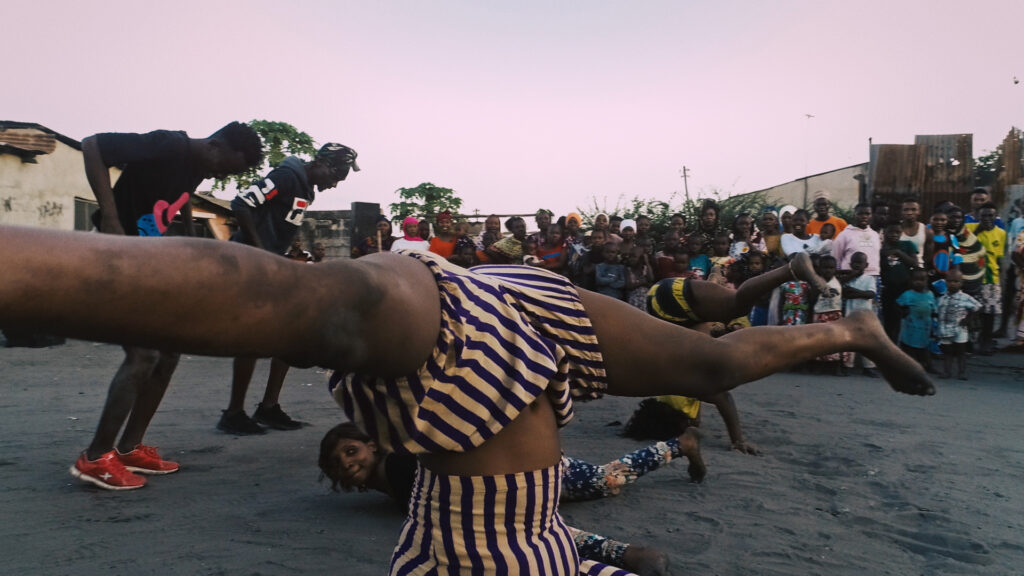
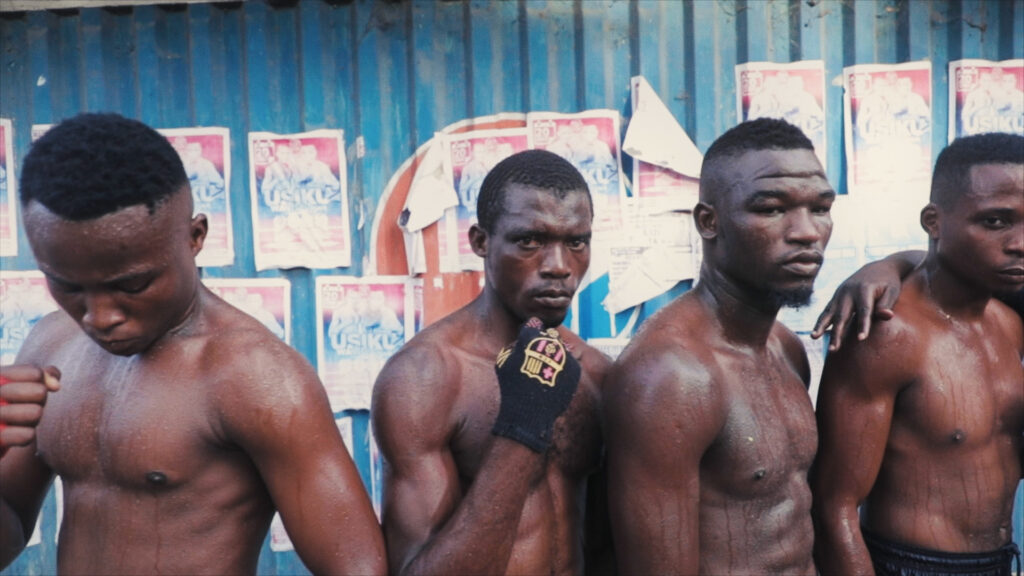

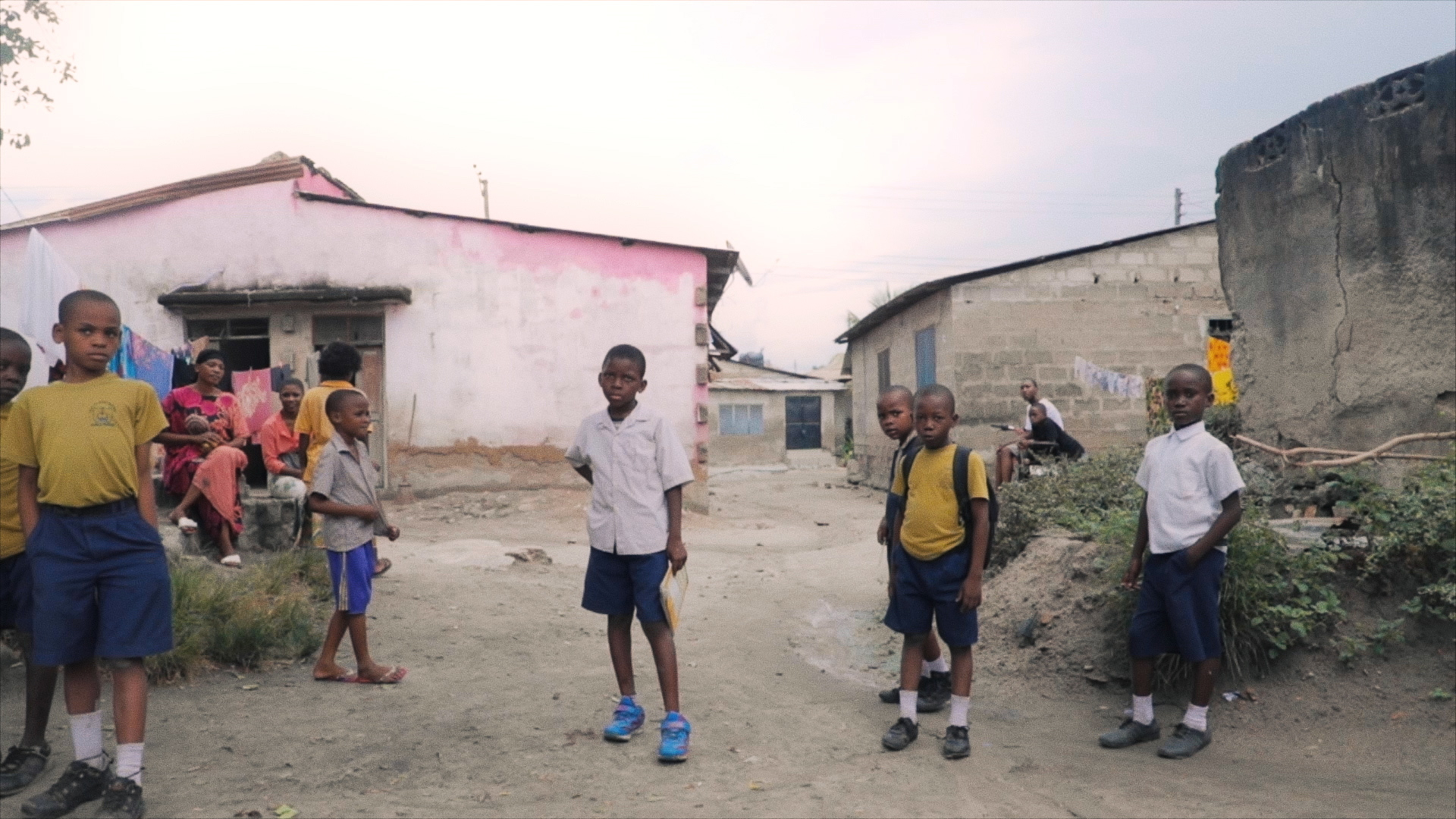
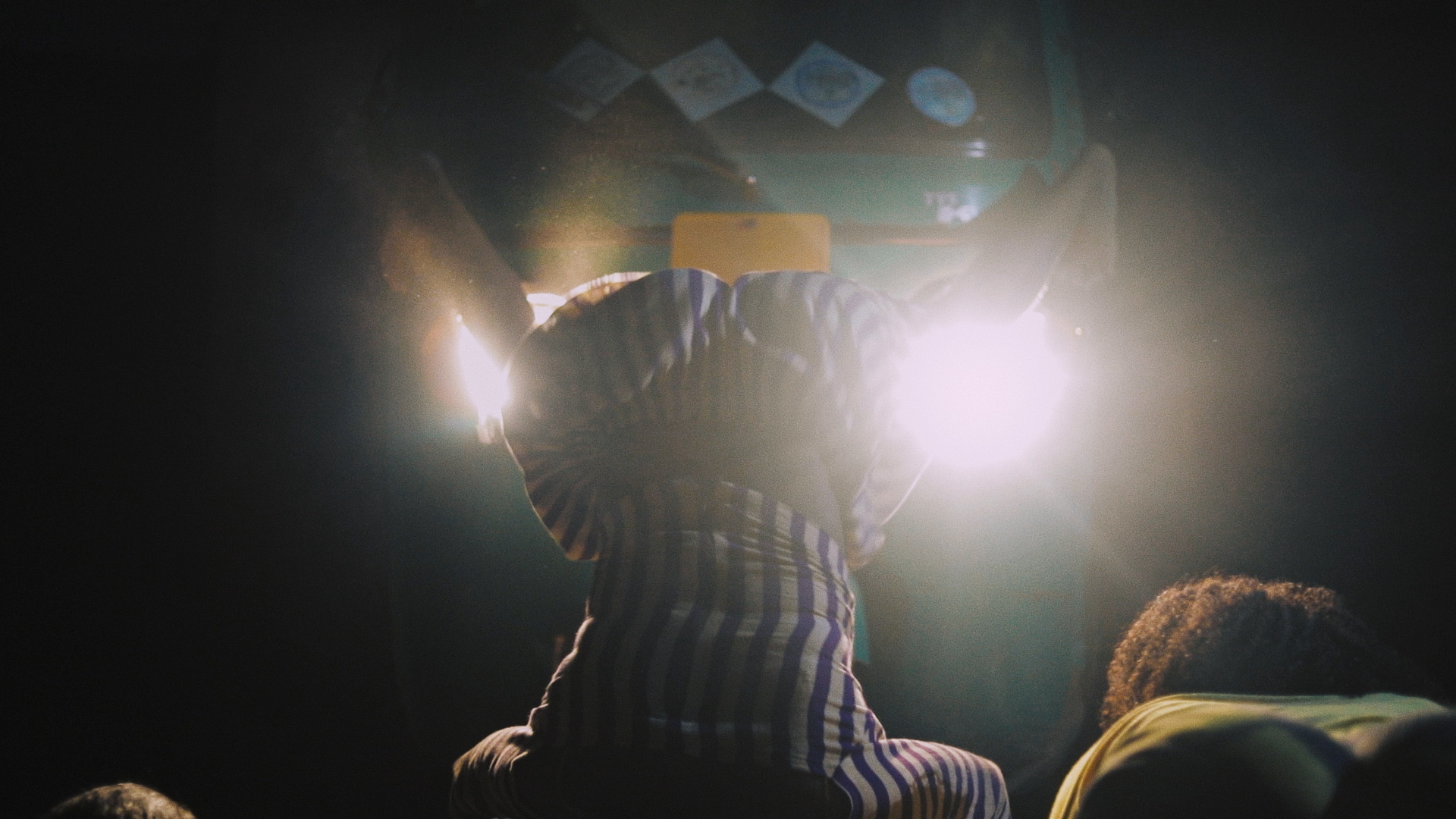
Stills from Singeli Sound: High Speed by NTS Radio directed by Chantal Adams.
Singeli’s radical form, difficult to imagine as mainstream, might be the first reason that comes to mind when realising this. But beyond its breathless tempos and abrasiveness, part of the real barriers may be structural. Tanzania’s music industry is still in the process of inventing itself, and building a career there can feel precarious: experienced labels and distributors are few, royalty collection systems remain fragile, live infrastructures are limited, and streaming revenues are strikingly low despite impressive YouTube numbers. The disparity is telling: in 2024, South Africa’s recorded music revenues reached $33 million according to IFPI, while Tanzania’s totaled less than $3 million.
Perhaps it will conquer the world not through a lone superstar, but through the DJ booth, where its velocity and volatility already feel perfectly at home.
There might also be something missing in the broader continental conversation. The DJs who have gained a measure of international visibility - Jay Mitta, DJ Travella or Bamba Pana - now shuttle between Europe and North America, appearing on adventurous line-ups and niche radio shows. But many of the scene’s local biggest stars, such as Dulla Makabila or Mzee Wa Bwax, remain largely rooted in East Africa. Cross-continental studio sessions are rare; you seldom see West or Southern African artists flying into Dar es Salaam to test singeli’s hyperactive pulse, just as singeli producers rarely embed themselves in the other continental hubs, through featurings, concerts or collabs. Perhaps that is the crux: amapiano first conquered South Africa, then seeped into Nigeria, and from there radiated outward to the UK and beyond: an intra-African, organic relay before a global one. Singeli, by contrast, seemed to have leaped straight into European festivals, propelled by curious programmers and tastemakers, without the time or space to swell organically across the continent. In that shortcut, something may have been lost. Framed early on as thrilling, radical, even “exotic,” singeli risked being fixed in the European imagination as a niche curiosity rather than allowed to expand, compete, and simply become popular. One of the main platforms pushing singeli, Nyege Nyege, has earned international credibility by championing radical, niche sounds; a curatorial mission that prioritizes experimentation over chart domination. In such an ecosystem, strategy often narrows to survival rather than crossover superstardom.
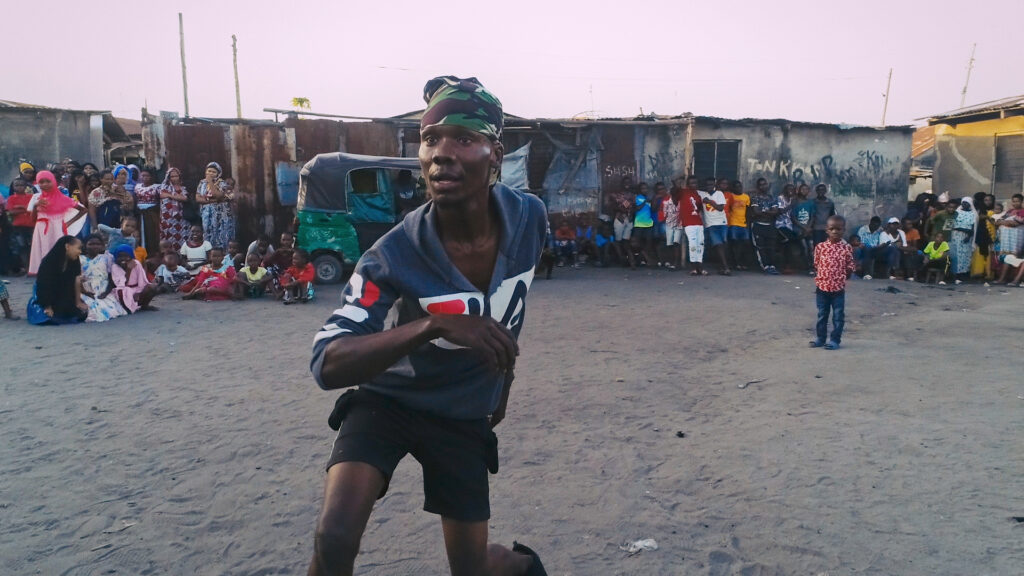
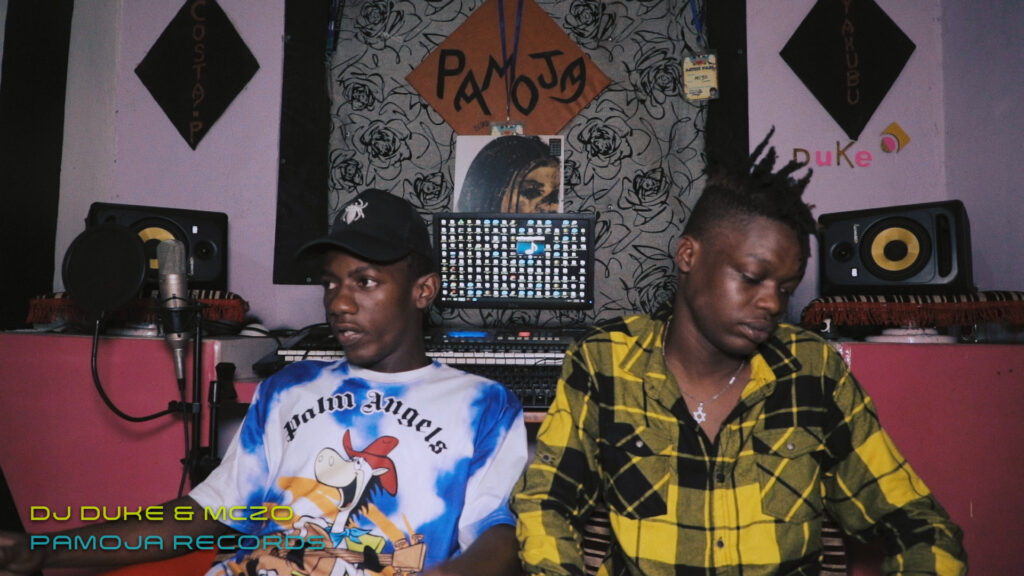
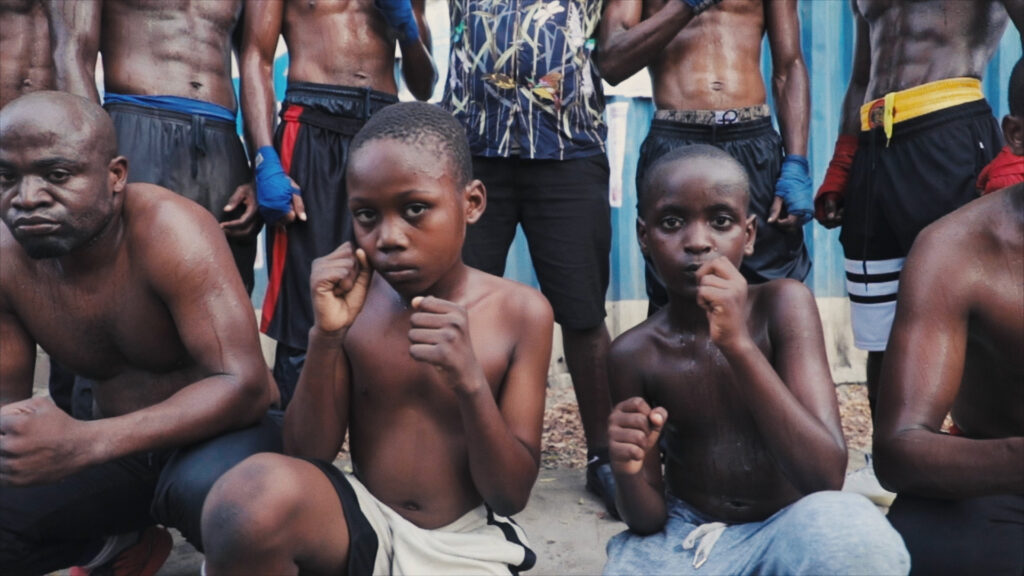
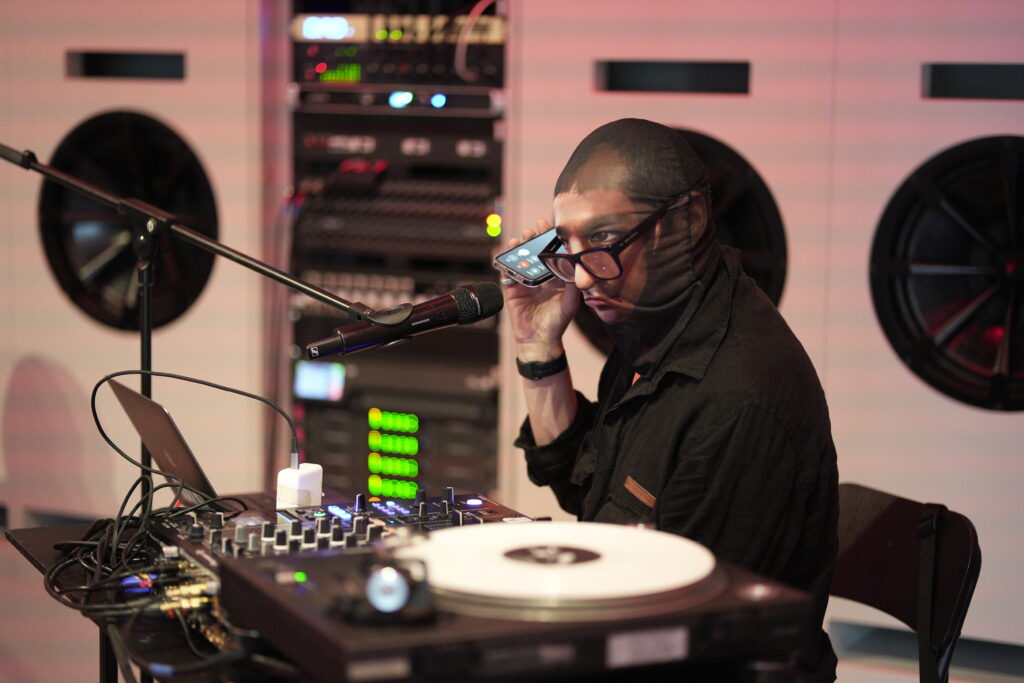
Stills from Singeli Sound: High Speed by NTS Radio directed by by Chantal Adams.
Still, the context around singeli is evolving fast. In recent years, DJ culture has exploded into something democratic: software is affordable, tutorials are endless and there is a growing sense that anyone can become a DJ. As YouTube is flooded with boiler-room-style recordings, curiosity for distinctive, high-impact electronic genres grows with it. African electronic styles are riding that wave. Afrohouse and afrotech, once confined to specialist circuits, now dominate major playlists and festival line-ups from Ibiza to London; Beatport has repeatedly ranked Afro House among its fastest-growing categories, and global streams for African and non-African producers, from Black Coffee to Keine Musiek, have surged in recent years. African electronic genres, from amapiano to afrohouse, mara to 3-step, are moving from specialist corners into mainstream DJ sets.
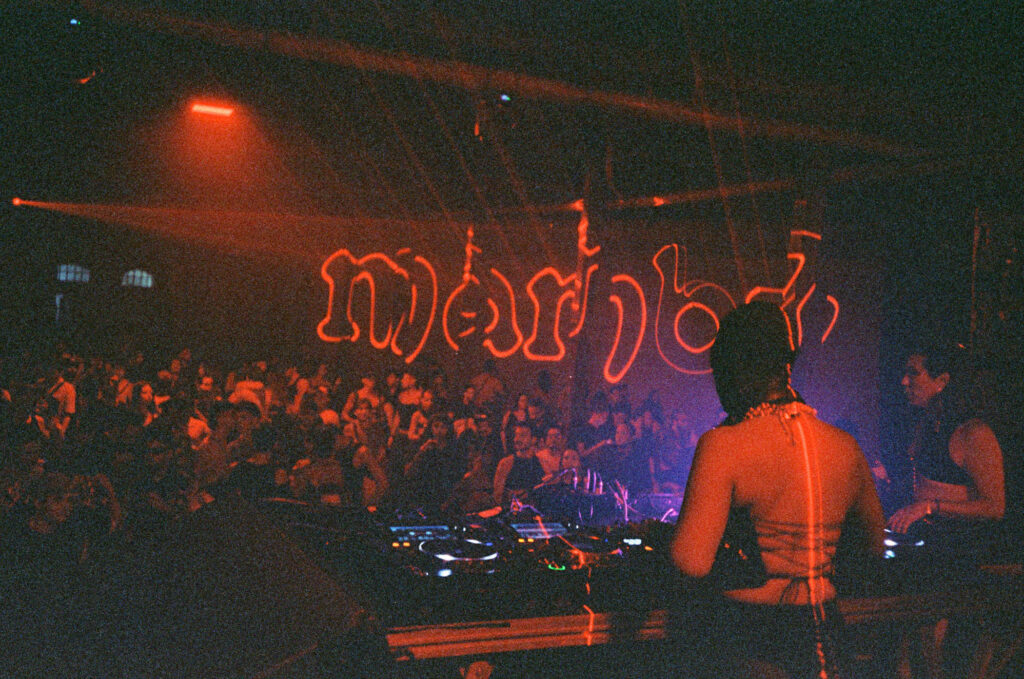
That widening appetite inevitably reframes singeli. At the 2025 edition of Nyege Nyege’s festival, collectives such as La Sunday, Group Therapy and Moonshine were invited not just to perform but to exchange ideas, hinting at a more interconnected continental circuit. Even global heavyweights are circling: Skrillex was recently spotted in the studio with singeli producers, a pairing that, rhythmically speaking, makes more intuitive sense than any pop crossover attempt. As amapiano and afrohouse normalize African electronic music on the world’s biggest stages, with African-led dance events multiplying from Accra to London, promoters and DJs are searching for the next disruptive pulse. No singeli artist has yet risen to the stature of a Burna Boy or a Bad Bunny - but perhaps singeli’s brightest future does not lie in traditional pop coronations. Perhaps it will conquer the world not through a lone superstar, but through the DJ booth, where its velocity and volatility already feel perfectly at home.