Magazine

The Rise And Rise Of Nollywood
Nollywood was not born in a studio system, but in the streets, markets and informal networks of Nigerian cities. As cinemas disappeared during the country’s economic crisis, filmmakers and distributors turned cheap video cassettes into a new cultural infrastructure, with places like Surulere, Idumota, Alaba and Onitsha becoming engines of production and circulation. Wale Oloworekende looks at Nollywood through the places that made it possible, tracing how a deeply local ecosystem transformed everyday Nigerian stories into a shared African language and, eventually, one of the continent’s most powerful cultural exports.
Written by Wale Oloworekende

The Night Guaracha Found Its Crudeza
On Bogotá’s Primera de Mayo, nightlife became the engine of a musical revolution. Through the story of Putivuelta and the DJs who reshaped the scene, Felipe Maia revisits the avenue where guaracha found its defining sound and political edge. Far from the clichés of club culture, the genre appears here as a radically local practice, where queer communities, migrant influences and working-class nightlife forged one of Latin America’s most influential electronic scenes.
Written by Felipe Maia

Novel Problems
Literary readings have become one of London’s most unexpected forms of nightlife. But why would anyone spend a Friday night in a packed nightclub listening to strangers read from their novels? Starting from this question, Will Kaye offers a witty portrait of London’s literary scene, where aspiring writers, artists and creative hopefuls gather in clubs, bars and churches to listen to strangers read aloud. Beneath the absurdity of drunken audiences, endless networking and the occasional terrible performance by cultural micro-celebrities, the story examines an unlikely phenomenon in which literature becomes a vehicle for gathering, self-fashioning and participation in a city increasingly hungry for offline forms of cultural life.
Written by Will Kaye
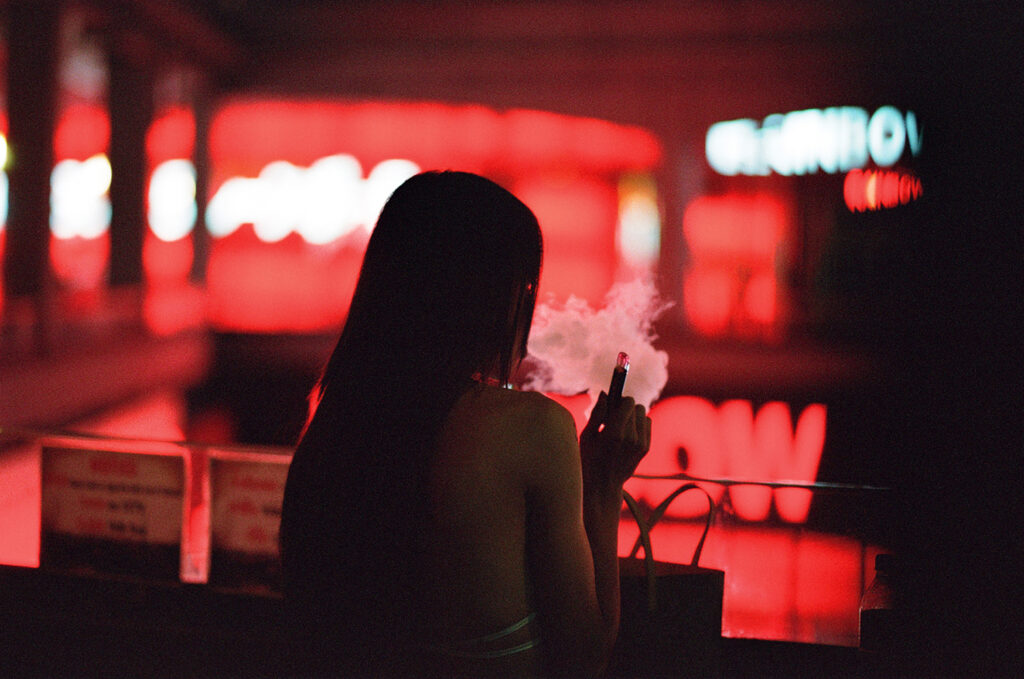
Genderless Red Bottom
One of the most acclaimed voices in contemporary Thai literature, Duanwad Pimwana tells the story of Manop, an ageing man haunted by a love he never confessed. When a vivid dream brings back memories of Chaiyapon, the childhood friend he secretly loved, decades of silence begin to resurface. Moving between adolescence and old age, the story follows a life shaped by desire and compromise, tracing the quiet negotiations through which a kathoey identity was concealed and ultimately reclaimed. At the centre of this journey is the “chong kraben”, a genderless garment that becomes both a memory of first love and a late gesture of self-recognition.
Written by Duanwad Pimwana
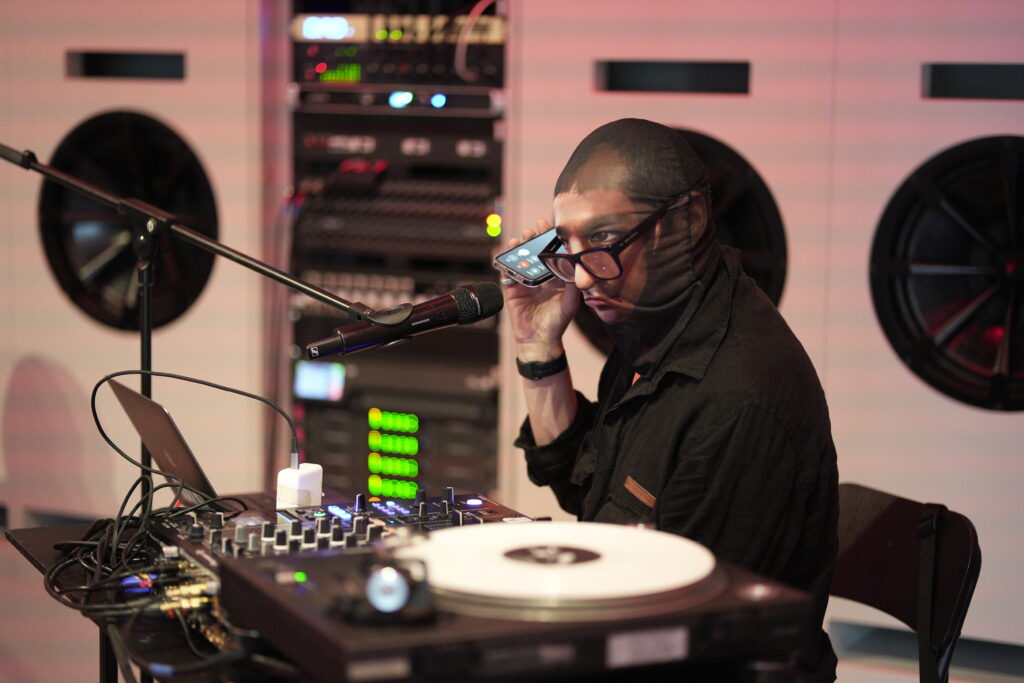
Live Arts “chamber-style”. Records, Bodies, and the Performance of Listening
Vinyl records are often understood as containers of sound. Fabio Acca proposes the opposite: they are performative devices that produce experiences. Positioning the record within the field of Live Arts, the text explores listening as an embodied practice through which bodies, desires and identities take shape. Drawing on personal memories, performance theory and the history of artist records in Itlay, Acca argues that a record does not merely document an event, but reactivates it. From domestic turntables to experimental sound art, listening emerges as a live act where sound, imagination and presence continuously unfold.
Written by Fabio Acca

Tour Guide
A Manila office worker arrives in Masbate expecting a provincial rodeo. Instead, he enters a world where cattle still organise the rhythms of life, where spectacle and labour blur under the island sun. In this literary fiction, Glenn Diaz moves through cowboy rituals, uneasy conversations and nocturnal pastures to explore what modern urban life has lost contact with, and what still survives at the edge of disappearance.
Written by Glenn Diaz
Foraging for Boiling Heads in Acid: listening to our surroundings at the beginning of the millennium—David Toop in conversation with Luigi Monteanni
Ambient music isn’t properly a genre, but a way of listening shaped by the instability of contemporary life. In this conversation, David Toop, a leading figure in the study of contemporary music and sound cultures, and Luigi Monteanni revisit the history of ambient, moving from ritual and free improvisation to algorithmic culture, tracing how sound can reconfigure perception and reopen a relation with the world beyond productivity and digital saturation.
Written by Luigi Monteanni
Bodies May Be Arranged
Moving through his childhood memory, nightclub architecture and metaphysical theories of light, Vitaly Weber reflects on the dancefloor as a space where perception is reorganised. Centred on Milan’s A.R.X. gatherings, the personal essay follows how light and sound cease to merely illuminate bodies, becoming forces that orient attention, and transform collective experience into an almost ritual condition.
Written by Vitaly Weber

The river has changed 1°degree|\—Specters of Rave, Morphology of the Soundsystem
In this work of speculative fiction, the character 377O73-QÂF—hypostasis of this musical and ambient interregnum—recounts the Ambient Rave eXperience as an hallucinatory sonic ecosystem populated by a promiscuity of dancing bodies. Moving through T.A.Z. and altered states of perception, 377O73-QÂF invokes how sound ceases to be mere communication and becomes a force that slowly reshapes bodies, communities, and imaginaries. Blending rave culture, psychoacoustics, collective ritual, and speculative philosophy, 377O73-QÂF reflects on ambient music as a threshold between memory and anticipation, and between presence and transcendence; as a practice of drift, metamorphosis, and collective becoming.
Written by 377O73-QÂF
underGRANDE:We Celebrate the End of the World Like Nobody
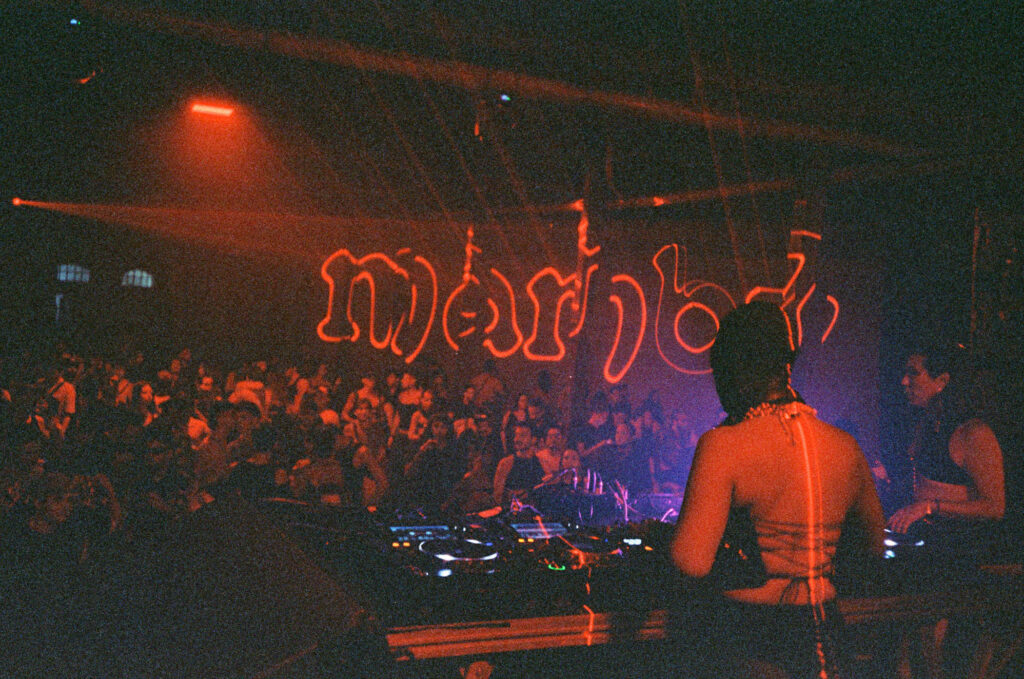
In São Paulo’s contested centro, the underGRANDE scene transformed nightlife into a form of cultural guerrilla. Through parties like Mamba Negra, abandoned factories and occupied buildings became spaces of queer autonomy, collective survival and political confrontation. Tracing fifteen years of independent electronic culture, Laura Diaz maps a movement where celebration operates as resistance, memory and refusal against gentrification, repression and neoliberal capture.
Written by Laura Diaz aka CARNEOSSO
The Deep Roots of Drone
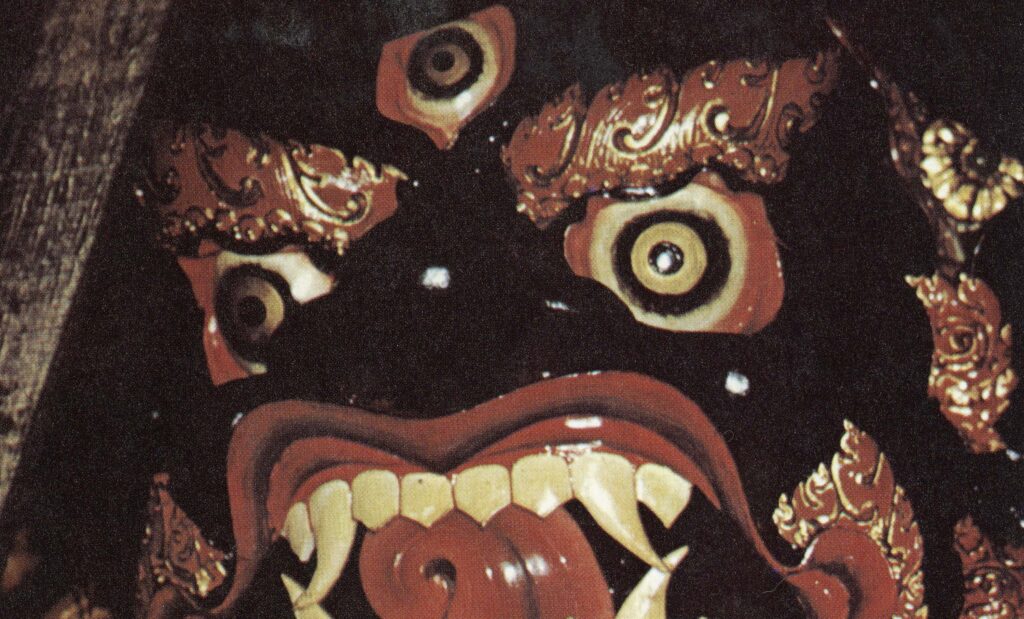
Drone music stretches from medieval cathedrals and folk instruments to contemporary experimental sound, carrying a lineage of ritual, dissonance and altered perception. Moving through bagpipes, hurdy-gurdies and modular synthesis, Hannah Pezzack traces drone as both sacred resonance and sonic disruption: a communal form that dissolves authorship, bends time and turns listening into embodied experience.
Written by Hannah Pezzack
There is No Silence in Tower Blocks. The SUBstructure of Ursynów’s own rap movement in three brief snapshots
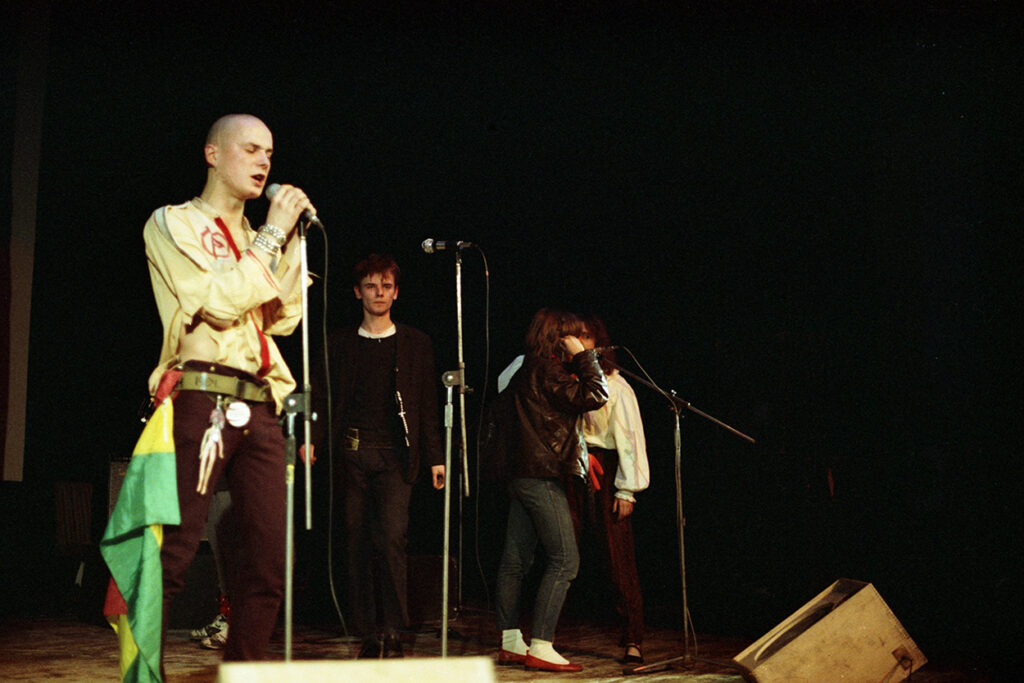
Before Polish hip-hop had a name, Ursynów was already producing the frequencies that would transform Warsaw’s concrete outskirts into an incubator for a distinctly local urban imagination. In the grey, hollow metropolis of late socialism, post-punk experiments, children’s futurism and proto-rap broadcasts collided inside the tower blocks. Through three critical snapshots, Filip Kalinowski uncovers the underground circuitry that turned urban alienation into the foundations of a new cultural language.
Written by Filip Kalinowski
The Land of Abundance
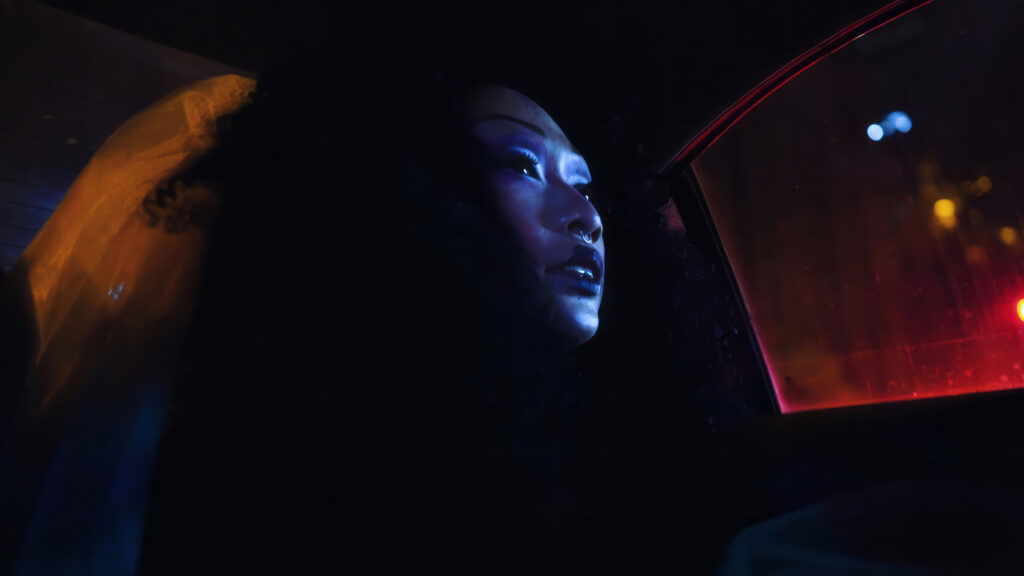
Chengdu’s underground scene unfolds as a fragile, persistent ecology of queer performance and DIY culture, shaped by clubs, closures and informal networks. Through YiHao’s trajectory, interviewed by curator Sara Sassanelli, it appears as a space where myth, memory and experimentation converge, producing temporary communities and practices that drift between exhaustion, care and reinvention.
Written by Sara Sassanelli

Making Ice Music is Difficult
In Ilulissat, the third-largest town in Greenland, ice is not a background but a force of light, movement, and sound. The Ice Music Festival is both an event and a situated practice that engages directly with the frozen landscape. Instruments are carved from glacial blocks, and performance depends on shifting temperatures and wind. Between collapse and improvisation, as Emile Holba writes, the festival turns ice into both a creative and symbolic material, holding together art, climate, and community at the edge of the world, where climate change strikes with greater force.
Written by Emile Holba
Too Fast for the World? Singeli and the Paradox of Going Global
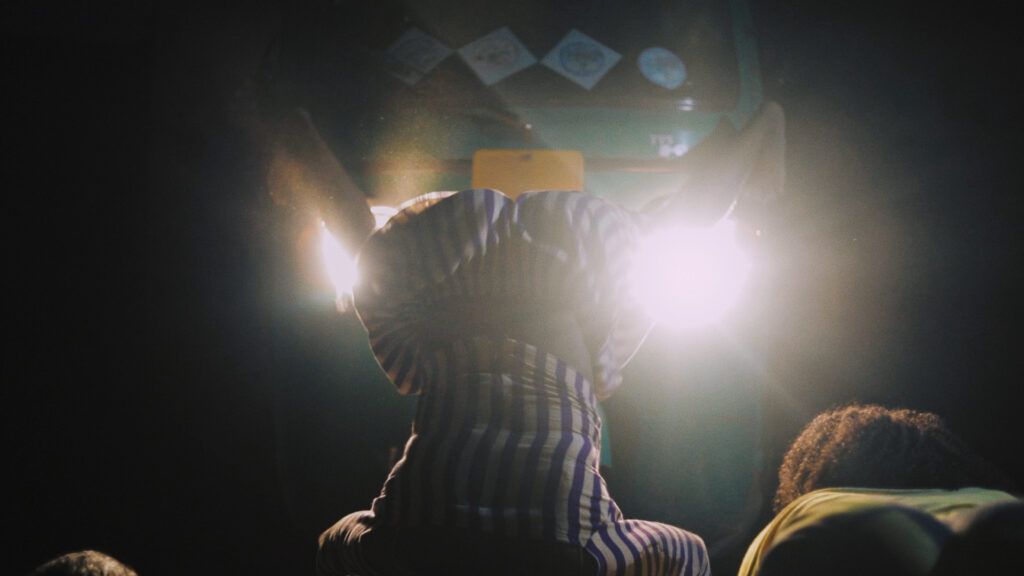
From Seoul to San Juan, hyperlocal sounds are rewriting the rules of global pop, proving that the more rooted the music, the wider it can travel. Yet, singeli, Tanzania’s blistering, homegrown electronic rush, remains largely confined to East Africa and niche European dance floors. In an age that supposedly rewards authenticity and locality, why hasn’t one of the continent’s most radical genres crossed over?
Written by Nils Bourdin
Where the Drums Clear the Air
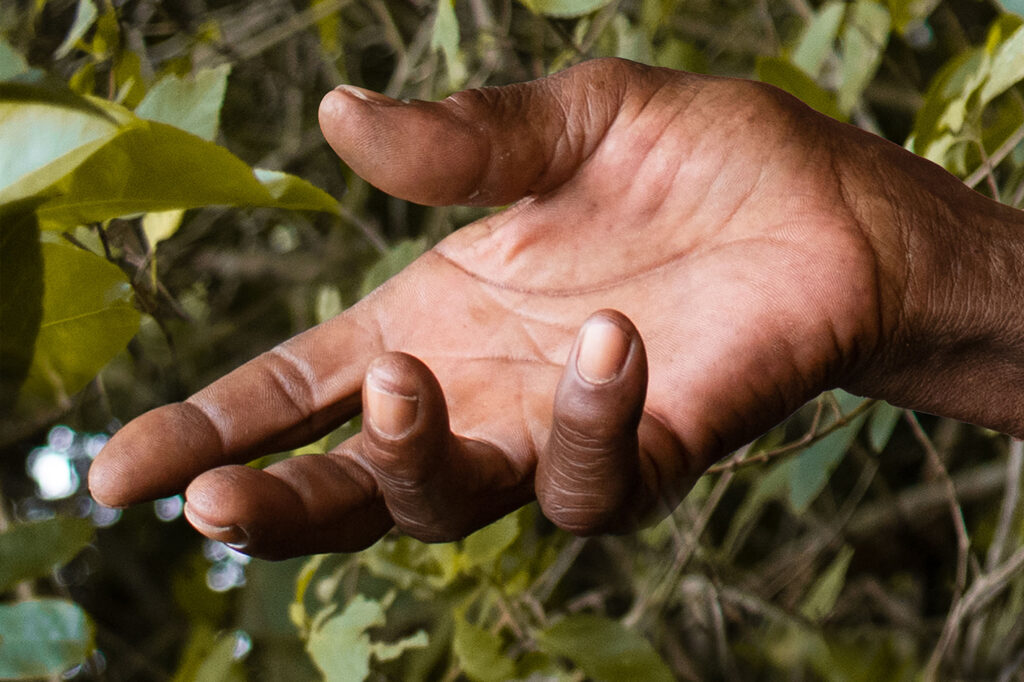
On a full-moon night in Jamaica, Nyabinghi, one of the most ancient Rastafari ceremonial practices, unfolds as a living ritual in which drums, chants, and fire gather bodies into a shared field of clarity. “Tonight we a chant,” a young Rasta tells German Iraki, author of the book ‘Get Nuff Nuff Data’. “We a do the opposite of what the evil man a do. We use the moon for prosperity and to fight evil spells.” Nyabinghi uses rhythm to cleanse; it is a kind of spiritual technology, transforming communal presence into a practice of grounding, healing, and collective awareness.
Written by German Iraki
Forever Seventeen. Or, an Unconvincing Tree
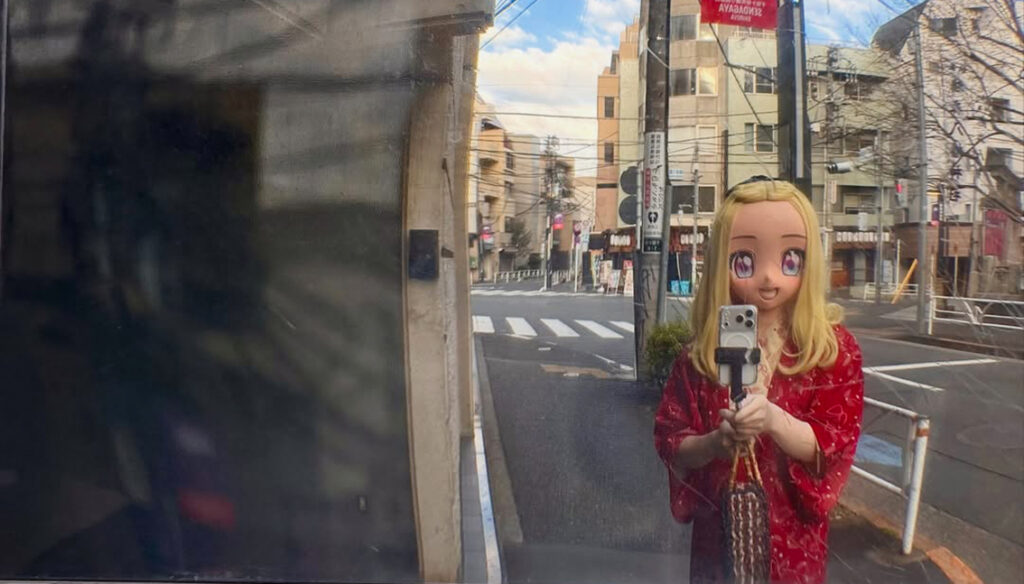
Beginning with a theatre piece about a man in love with a silicone sex doll, Simon(e) van Saarloos, author of Against Ageism: A Queer Manifesto (SPBH, 2025), explores attachment without reciprocity and the material conditions of care and projection. Turning to animegao kigurumi, and through a dialogue with Oshiruko Chan, a forever seventeen-year-old fictional character with large blue eyes and blonde hair, Simon(e) explores how masks and garments shape behaviour rather than express identity, positioning age as a structuring fiction and the self as an architectural phenomenon.
Written by Simon(e) van Saarloos
Nowhere to Hide: Ambient Music Won’t Land You Safely But It Won’t Let You Fall Alone
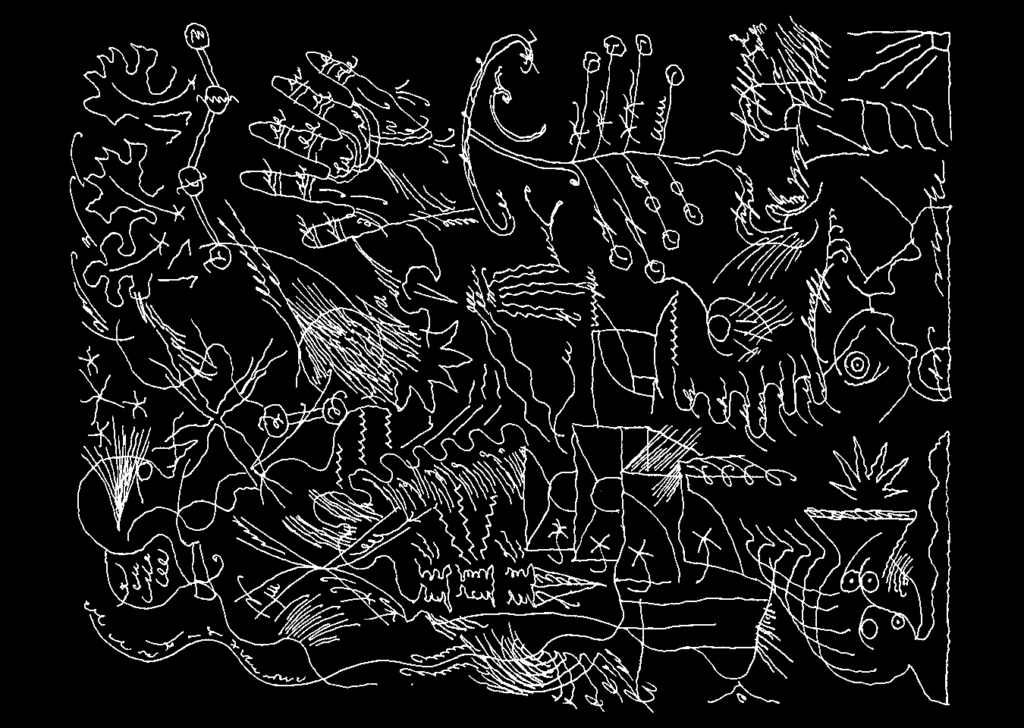
From the sweat-drenched chill-out rooms of early-90s Brixton to the algorithmic sprawl of contemporary ambient rave: how a music born to hold bodies through altered states became a survival grammar for the dissociative drift of digital capitalism in a world that never quite comes down.
Written by F. P.
When the Night Narrows. Queer Life and Rootless Communities in Chengdu’s Wuhou District
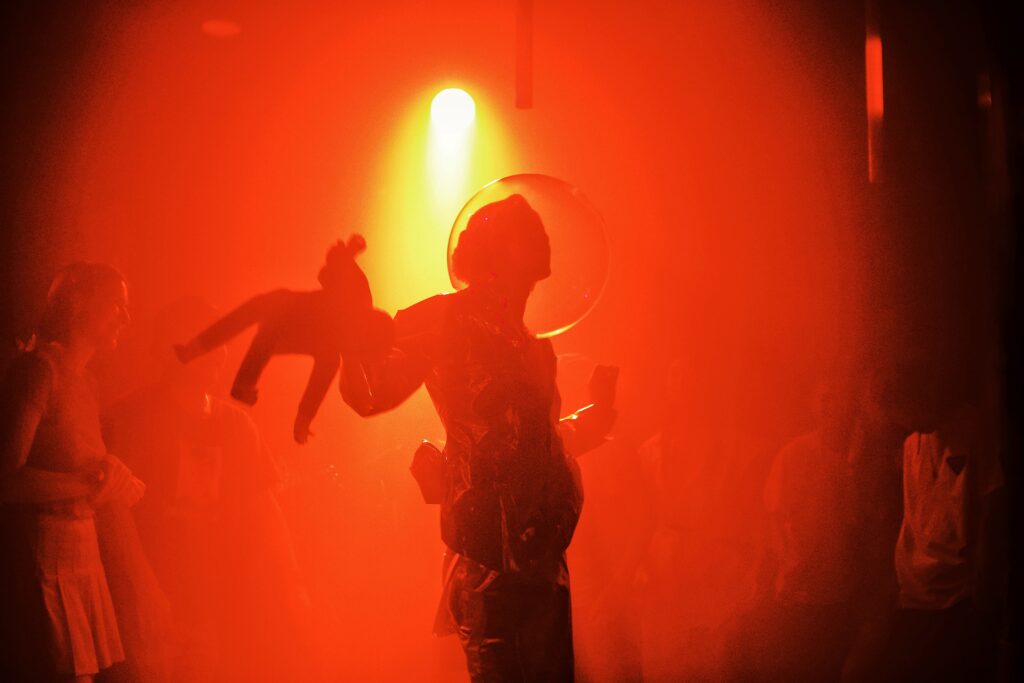
In Chengdu, queer communities navigate tightening control and fading digital openness, reshaping where and how connection can exist in China. Public celebration recedes, nightlife moderates itself, and intimacy slips into coded networks and overlooked daytime spaces. Through Xinke Lee’s returning gaze, nightlife, public encounters, and cruising grounds reveal a fundamental reckoning: an ongoing meditation on adaptation and loss, and a community that survives through floating identities.
Written by Xinke Lee
I’m Just a Vessel. Dimes Square and the Horrible Shell of Wisdom
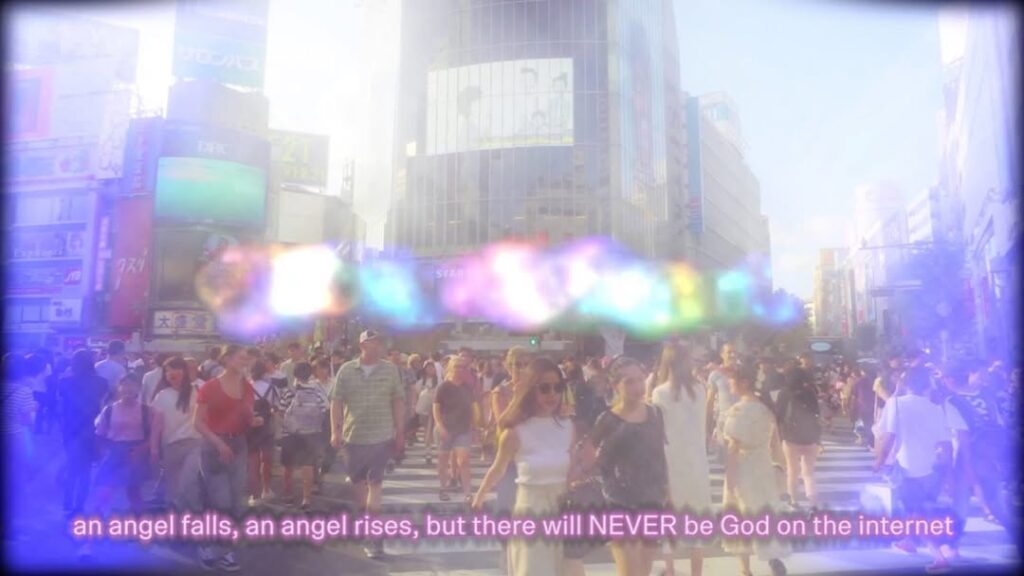
Dimes Square resists definition, operating as a feedback loop of images, discourse and affect. Through Honor Levy’s account, in dialogue with Nell Whittaker, it emerges as a collective rehearsal where irony hardens into structure and the internet becomes lived form, raising questions of authorship, innocence and the desire to exist as a vessel within history.
Written by Nell Whittaker