Ursynów (Warsaw)
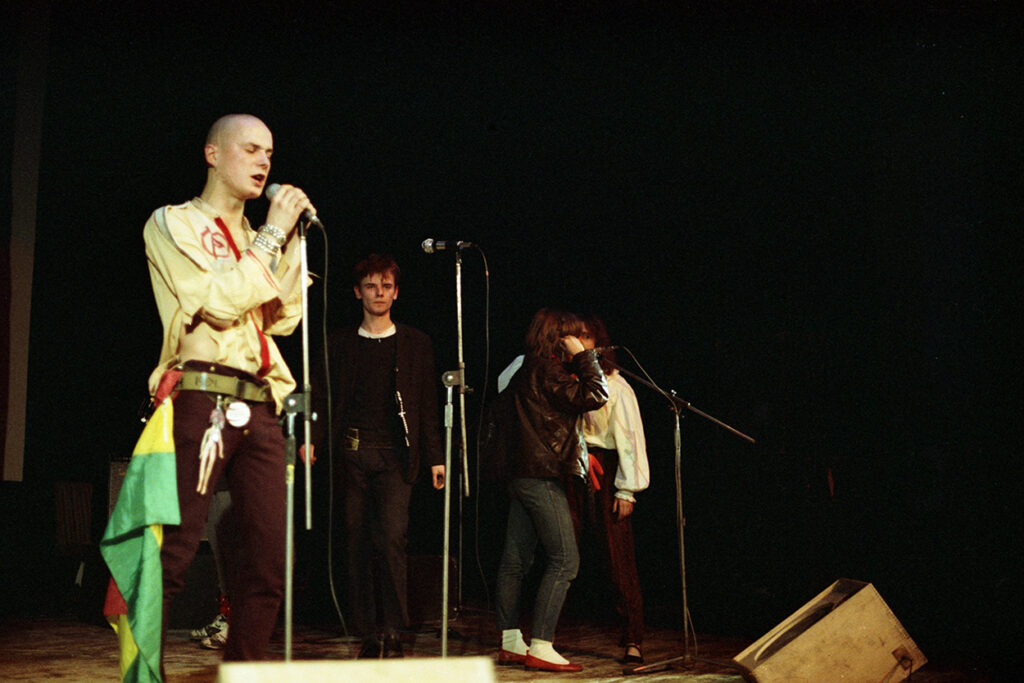
There is No Silence in Tower Blocks. The SUBstructure of Ursynów’s own rap movement in three brief snapshots
Before Polish hip-hop had a name, Ursynów was already producing the frequencies that would transform Warsaw’s concrete outskirts into an incubator for a distinctly local urban imagination. In the grey, hollow metropolis of late socialism, post-punk experiments, children’s futurism and proto-rap broadcasts collided inside the tower blocks. Through three critical snapshots, Filip Kalinowski uncovers the underground circuitry that turned urban alienation into the foundations of a new cultural language.
Written by Filip Kalinowski

Globally and locally isolated: Ursynów and Mokotów as symbols of post-communist subculture in Southern Warsaw
In the early 1990s, as Poland emerged from Soviet influence and rebuilt after the fall of communism, a new subculture began to take shape in the urban blocks of working-class neighbourhoods. Known as blokersi or “kids from the block,” these youth, often from economically marginalised families, embraced hip-hop culture as a means to express their post-communist identity. They used graffiti, skateboarding, and rap music to critique the disillusionment of the era, with southern Warsaw districts like Mokotów and Ursynów becoming the epicentres of this cultural movement. It was here that Polish hip-hop was born, giving rise to influential crews like ZIP Skład, Molesta, and Hemp Gru, marking the start of a unique social and musical revolution in the country.
Written by Tommaso Monteanni