The Land of Abundance
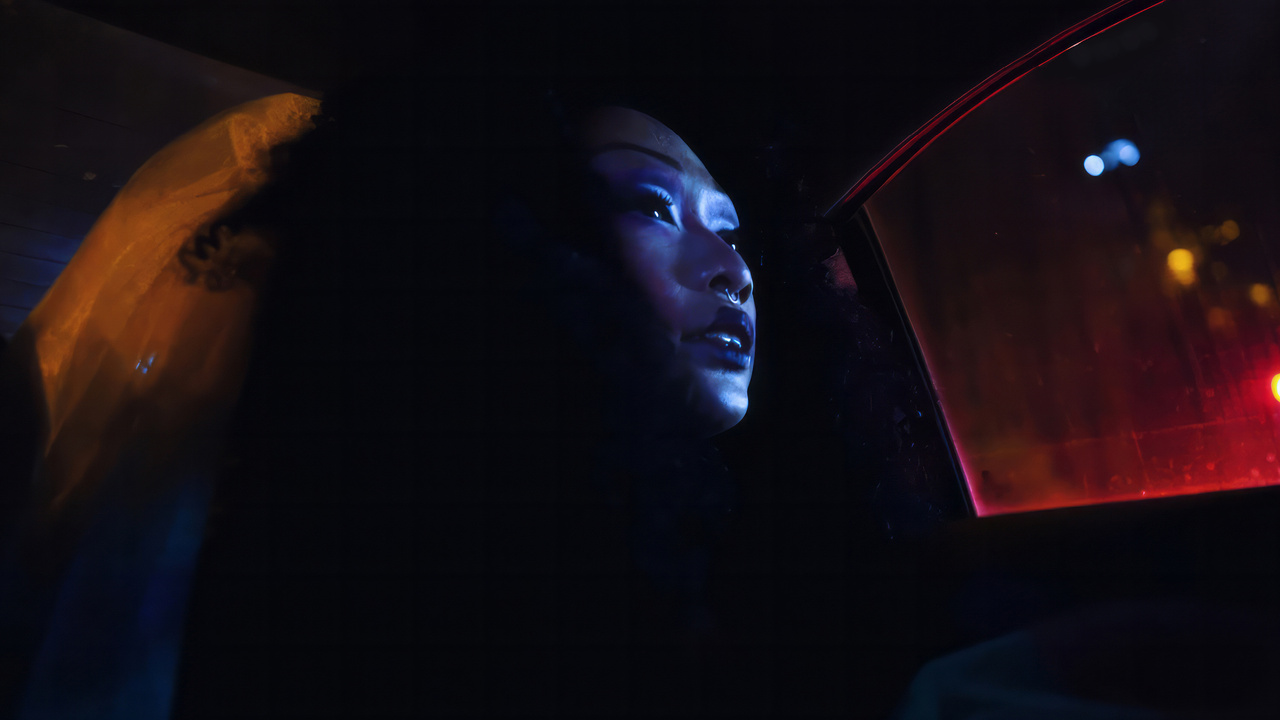
Chengdu’s underground scene unfolds as a fragile, persistent ecology of queer performance and DIY culture, shaped by clubs, closures and informal networks. Through YiHao’s trajectory, interviewed by curator Sara Sassanelli, it appears as a space where myth, memory and experimentation converge, producing temporary communities and practices that drift between exhaustion, care and reinvention.
“I don’t think your documentary can record me or anyone else’s real life. I think real life is something you need to feel for yourself.”
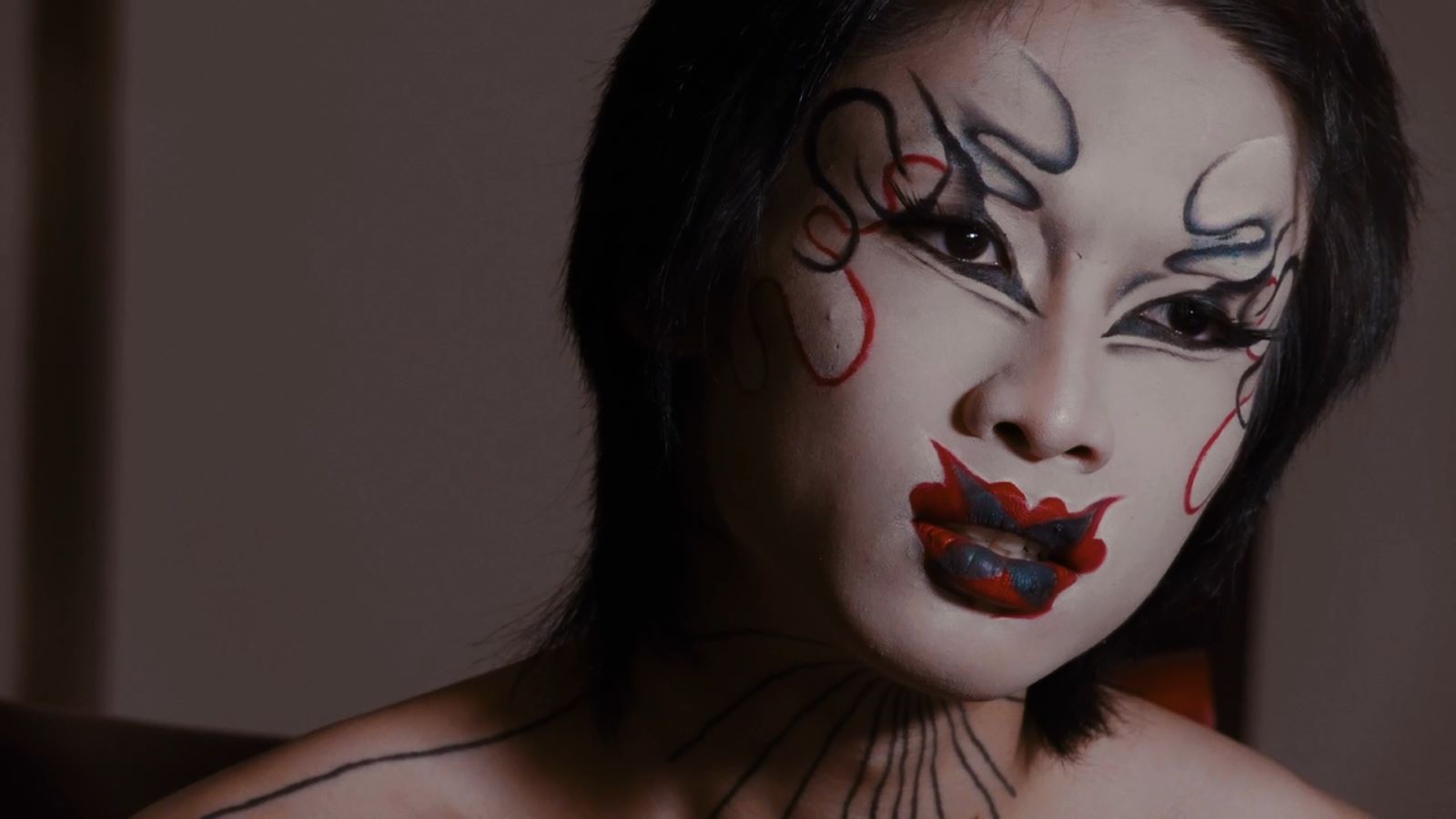
The Last Year of Darkness, Documentary by Ben Mullinkosson
The challenge of documenting or tracing a performance scene has always struck me as a process of grappling with the pleasure of mythmaking. Much like performance and DIY itself, it runs and lives on in myth. A scene is hard to document; you can pick up a tone and a vibe. Even if you were there, memory is murky, and, in a Lacanian sense, it constitutes the unconscious—perhaps memory that is not remembered but that operates through a symbolic order rather than a personal archive of facts.
In my conversation with artist and performer YiHao, we traced and uncovered some of these myths in an attempt to better understand a moment in time in Chengdu’s performance scene. After watching The Last Year of Darkness, a documentary by Ben Mullinkosson about the unknown future of the beloved Chengdu queer club Funky Town, I was struck by its depiction as both a sanctuary and a space of conflicted hedonism; a tale as old as time if you have spent long hours in the dark corners of a club. There’s a nod to the long, thankless task of live performance, the energetic drain of putting on a show, of experiencing unparalleled adrenaline, and its end: the crash.
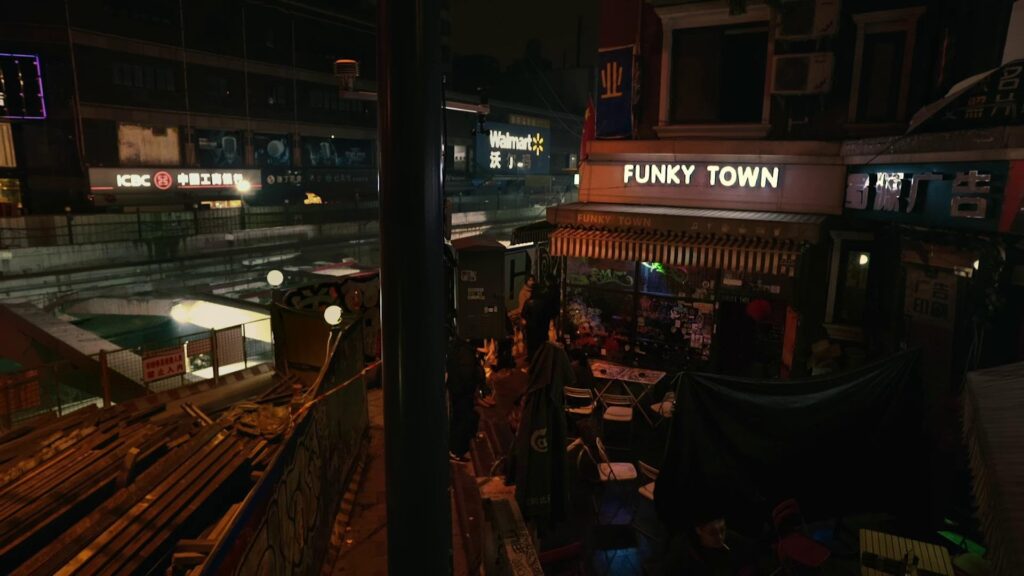
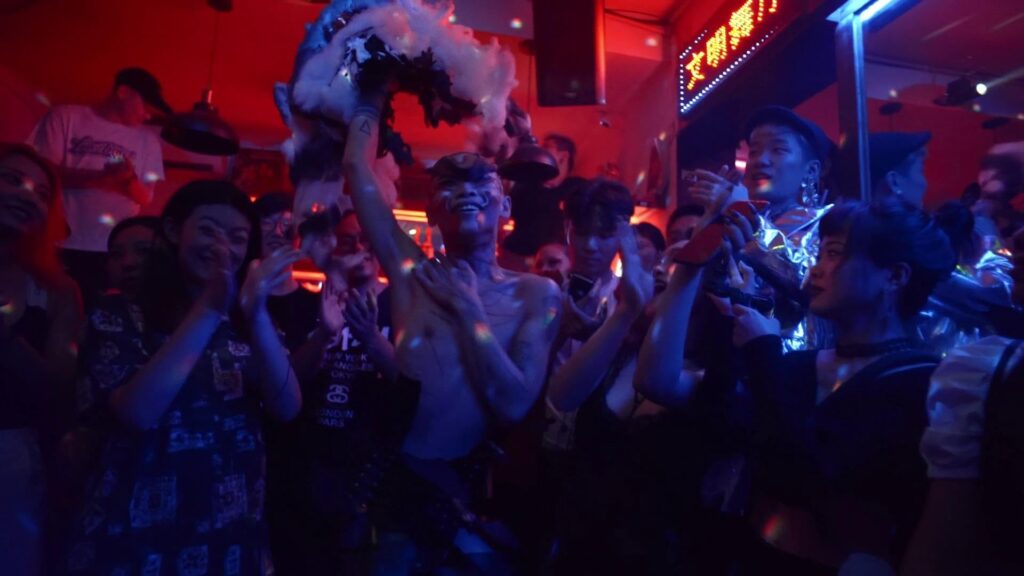
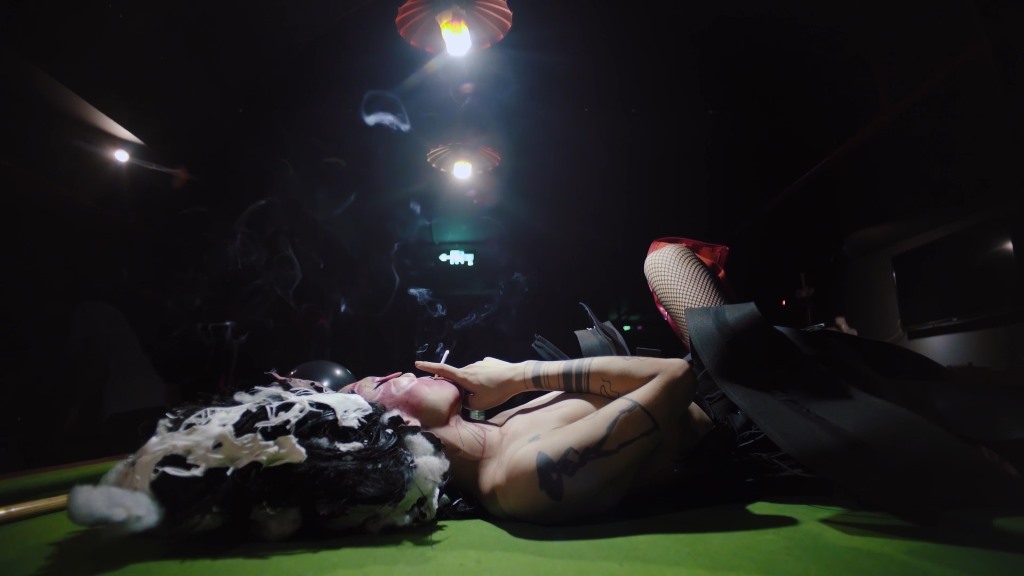
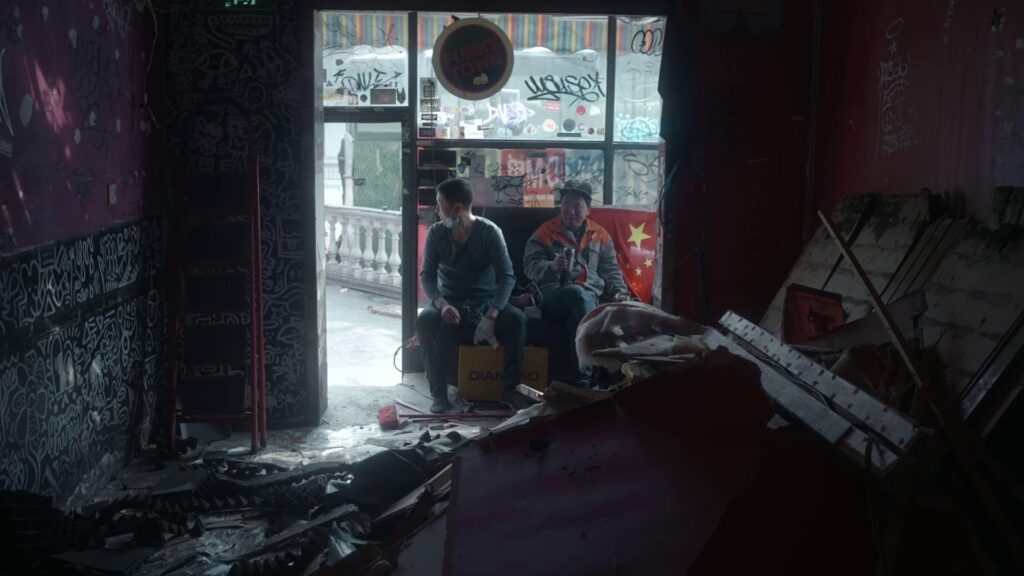
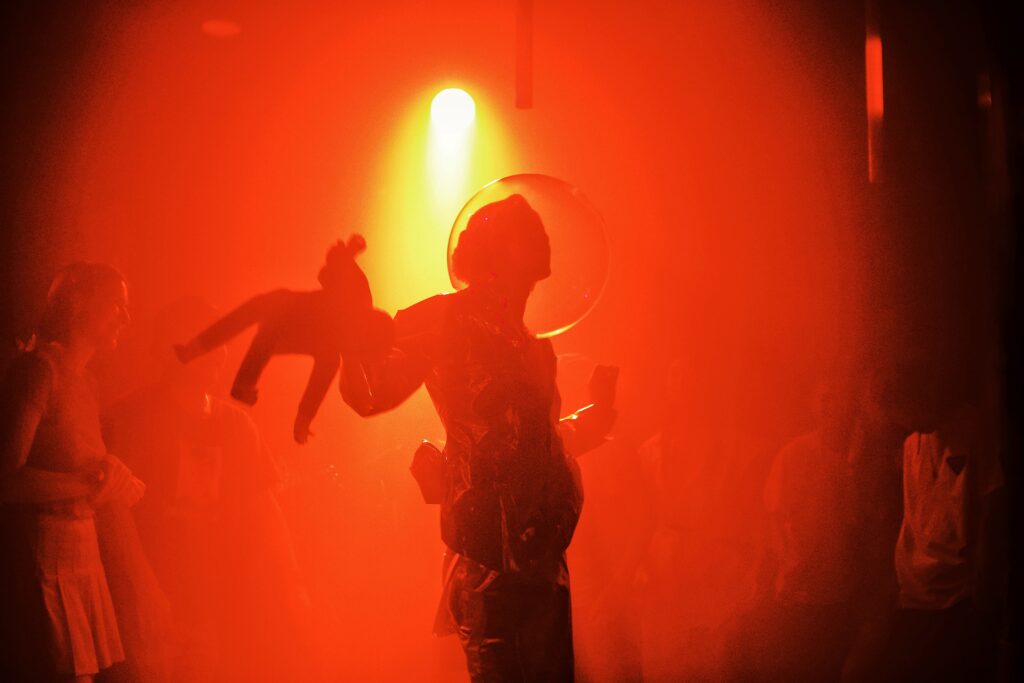
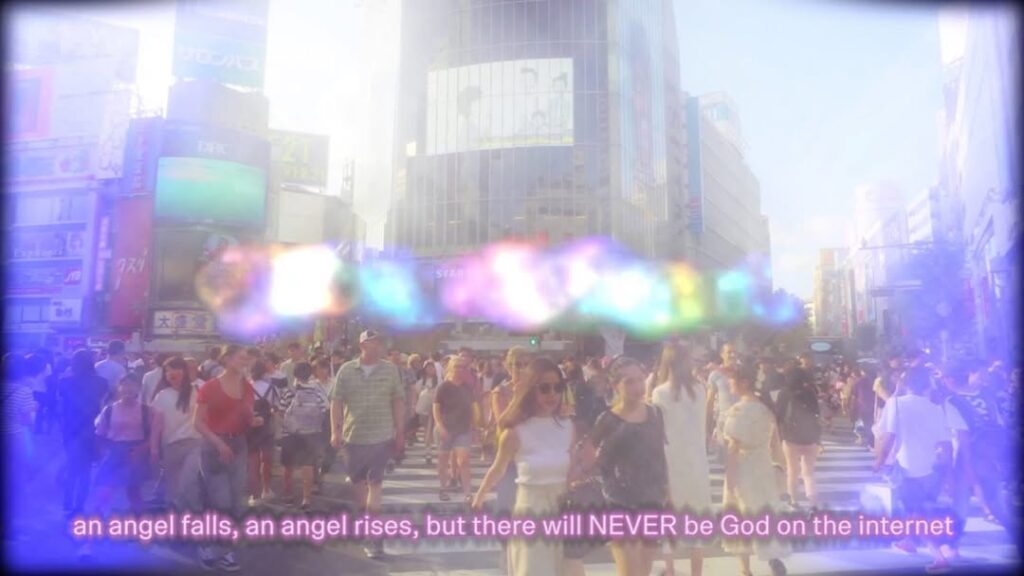
Stills from The Last Year of Darkness by Ben Mullinkosson. Cinematography by Fei YanQiu, Gennady Baranova, Mike Mogler.
YiHao’s performance training began on the dance floor in 2018, in Chengdu, Sichuan Province, China. Reading about YiHao’s past reminds me that artists who understand the limitations of a space and tailor their work to it make exciting work. DIY has a penchant for limitations.
In 2018, Chengdu’s underground culture had been gathering momentum, but it was the end of its most excessive and permissive era. In 2017, Poly Centre, a hub of underground culture, techno and experimental electronic music, located in the Wuhou District, closed. The closure was a turning point, as at its height it housed more than twenty clubs within a single structure. YiHao describes it as a location in which “whatever your aesthetic, identity or social position was, you could find a room that felt like yours.” The scene that Mullinkonsson’s film focuses on is not about artists training in a professional theatre, or an academic institution; rather, it renders clear that there’s infinite knowledge production and aesthetic developments that have always and probably always will come from club culture.
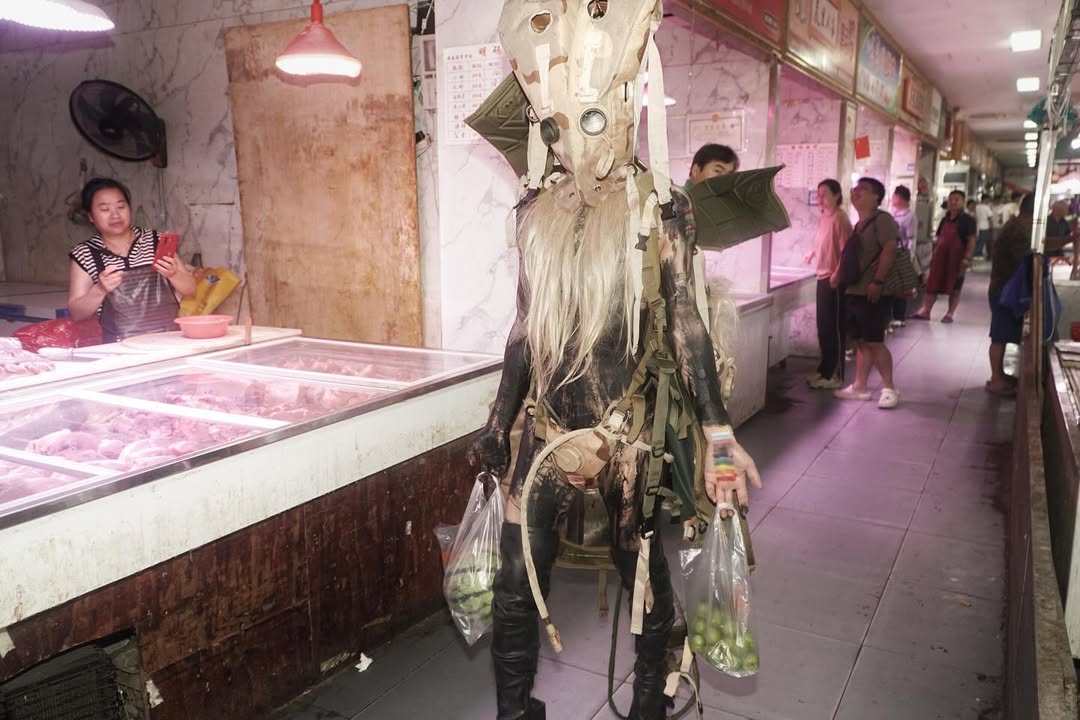
This DIY knowledge is passed around through hearsay, gossip, conversations and anecdotes, and Chengdu’s scene is no different. Ideas for shows, costumes and concepts emerge from friendship, daytime casual conversations, or late-night euphoria in and out of dancefloors. YiHao describes the dancefloor as their “cultural gymnasium,” and within that, they saw themselves not as a star, but as a connector and instigator. Worth remembering that drag or being a drag queen wasn’t necessarily as widely accepted or commercialised around 2017. He describes being less of an individual, “and more of a medium through which something collective could happen.”
Ideas for shows, costumes and concepts emerge from friendship, daytime casual conversations, or late-night euphoria in and out of dancefloors.
After years of drag and party production, YiHao’s understanding shifted. It was less about release and pure explosion of anger and desire, and more a search for more nuanced processing and healing. Previously, as a performer and queer party organiser, he had to handle all details: performers, audiences, floors, lighting, music, and inspections. A tale as old as time in DIY contexts. It was exhausting. He stopped organising parties because he no longer wanted to be positioned with the burden of being a “queer leader.” A demanding role that becomes even more complicated when in the public eye, and when wanting to make your own work. YiHao gestures towards a desire to generally slow down. He wants to take care of himself on stage; he describes it as “self-touch: gentle and attentive.” Exposing contradictions and instabilities of the practices.
Chengdu has a reputation for being a relaxed, socially open environment that is not fixated on polished aesthetics. It’s clear that there was a sense of temporality. YiHao sites dance classes as having a general air of “looseness and a refusal of stiffness.” In contrast to the Confucian social discipline often associated with other cities in China, Chengdu developed a reputation for having a scene that embraced mess, temporary space and low-fi aesthetics. YiHao notes that he never felt that, as a scene, Chengdu was never obsessed with polish. The performance and queer scene was built through friends-of-friends networks, a semi-familial community where mutual care and word-of-mouth were key in its sustainability.
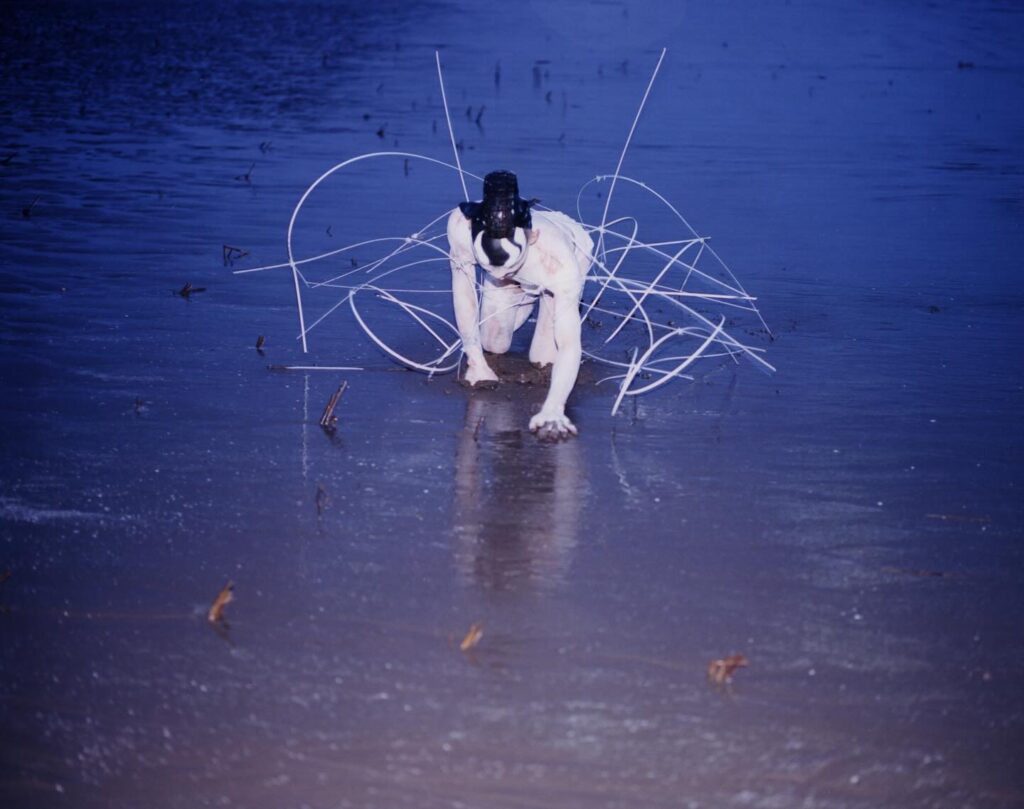
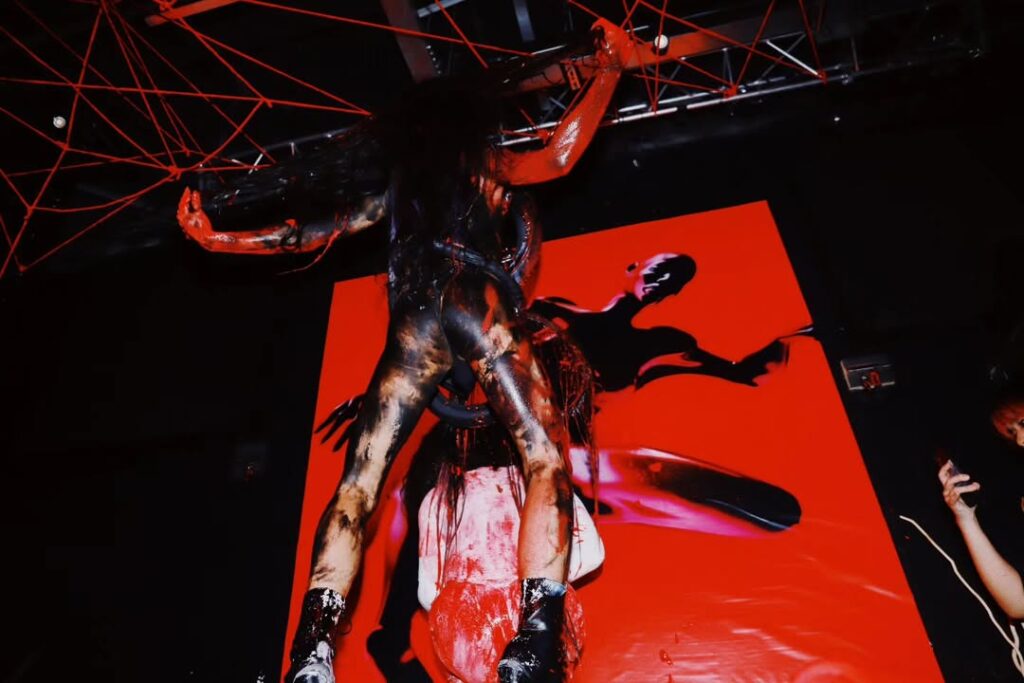
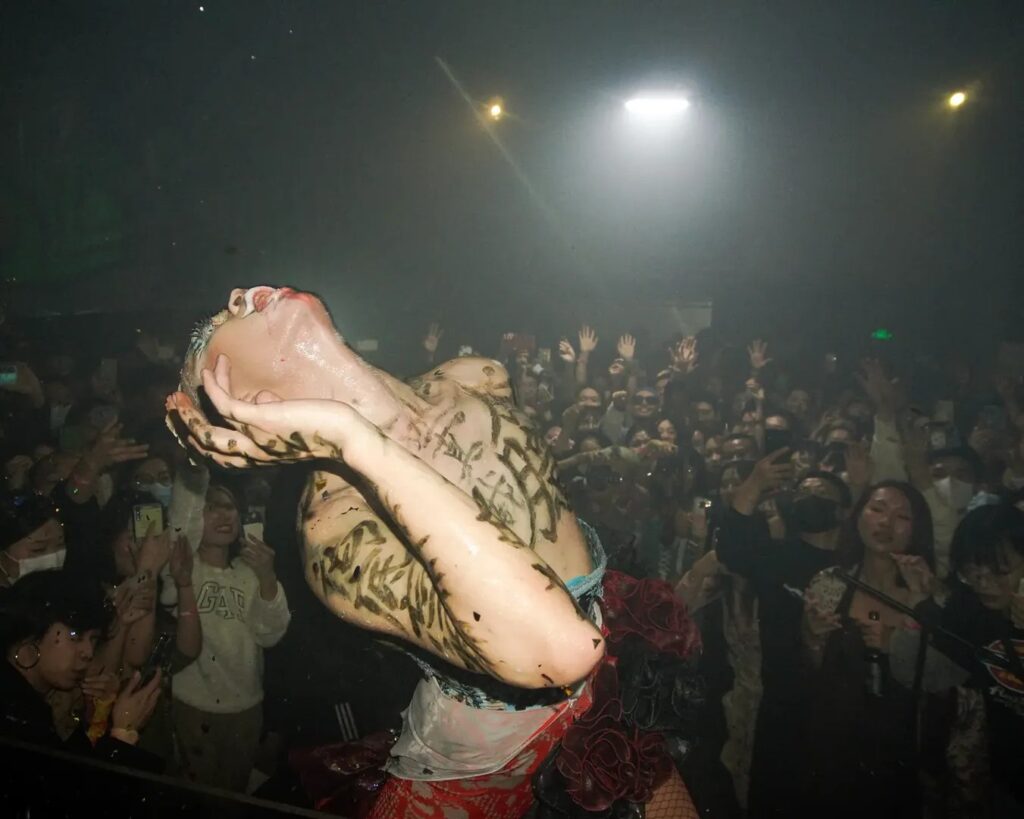
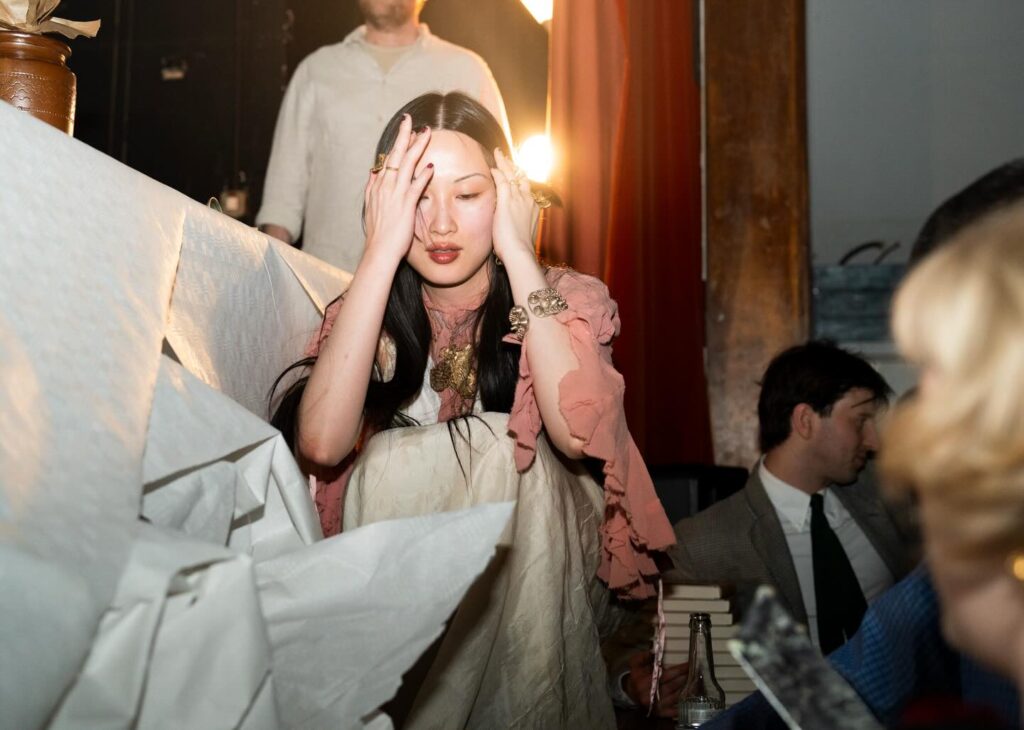
YiHao
YiHao describes the scene as “unstable but persistent.” His old home club, TAG—an unassuming underground techno club nestled on the 21st floor of the Poly Centre skyscraper—also closed about a decade after opening. The club was founded in 2014 by Ellen Zhang, and it had become much like a sanctuary for queer ravers and partygoers. The club eventually closed due to pressure from policy. As many clubs closed, spaces also continued to reopen in unlikely spaces, like under bridges and inside construction sites. The specific clubbing context and scene that YiHao comes from started emerging during a period of rapid urban development and globalisation. He notes that “economic growth was impacting cultural transformation.” While a technique like hip-hop managed to break into mainstream television, quickly gaining traction and international exposure, drag and contemporary performance had a more unpredictable and fragile trajectory. There was greater pressure from cultural management policies that could easily shut down projects deemed to be in conflict with dominant narratives. YiHao’s take on the development of this scene was due to “low rents, a relatively slow city rhythm, and young people facing uncertain futures. Precisely because there was no clear promise of upward mobility, experimentation was possible.
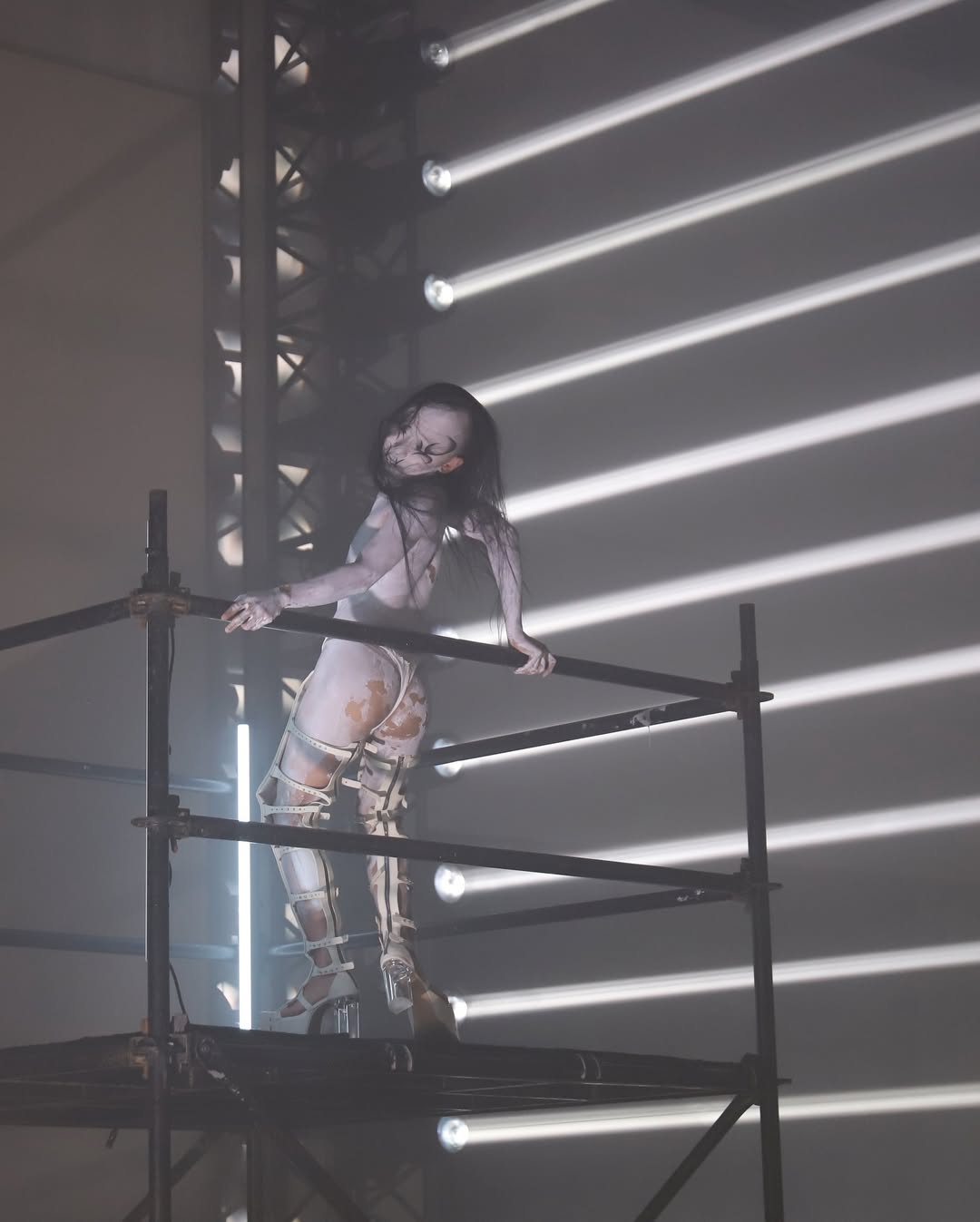
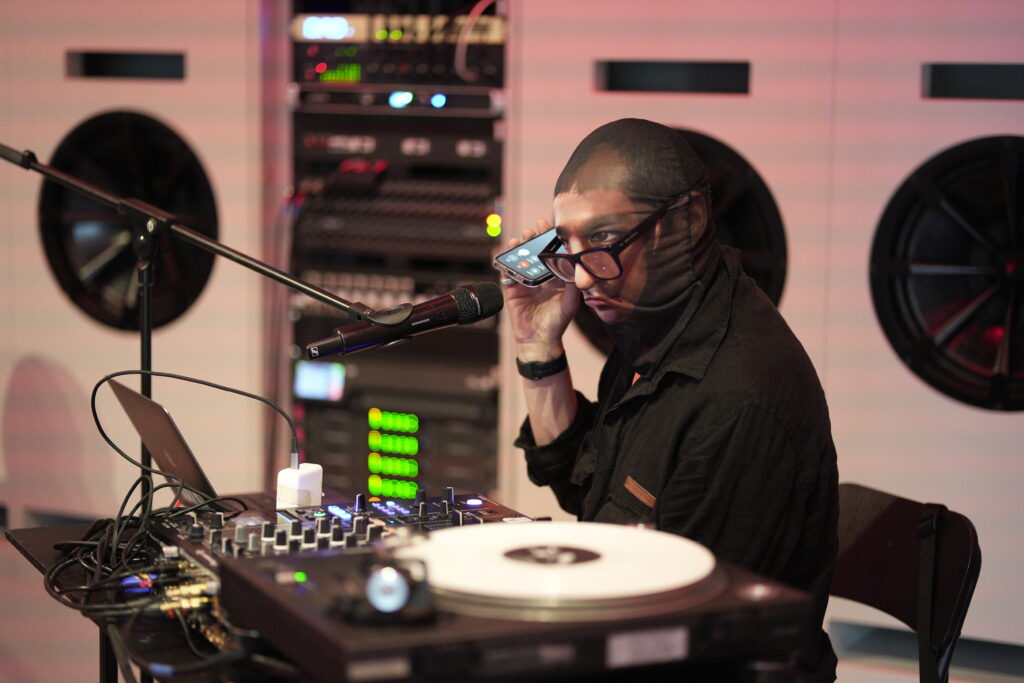
YiHao
"When you are not heavily expecting, you can risk more.” In the early years, the scene was more overlooked, but as visibility and brands began engaging more with subcultures, YiHao recalls that “before the pandemic, left-leaning lifestyles were fashionable among youth.” He explains that he collaborated with “media and brands openly as a queer figure” and that this had left him feeling optimistic. This changed after the pandemic, with performances, parties, screenings and record releases experiencing varied degrees of adjustment. Where the more hypervisible you became, the more likely you would have to adapt and manage the level of transgression you could occupy.
After this turning point, YiHao suggests that his energy is no longer so dedicated to one fixed place. His time in Chengdu led to the development of a methodology that he takes on tour to other Chinese cities as well as internationally. He creates temporary queer communities when he tours his work; he describes them as ‘brief but intense.’ A lot of his experimentation also exists within internet culture, with an acknowledgement of the digital segregation between Chinese-language internet and more global platforms, which sometimes mix.
When asked where he currently draws inspiration from, YiHao cites performance collective Young Boy Dancing Group, dance company LA HORDE and performer Cassils, but gives equal weight to the demolished building behind his residential compound as well as the hardware shops that smell of metal and dust. These ordinary forces are at the core of DIY scenes in ways that speak directly about the cities they come from.