Magazine
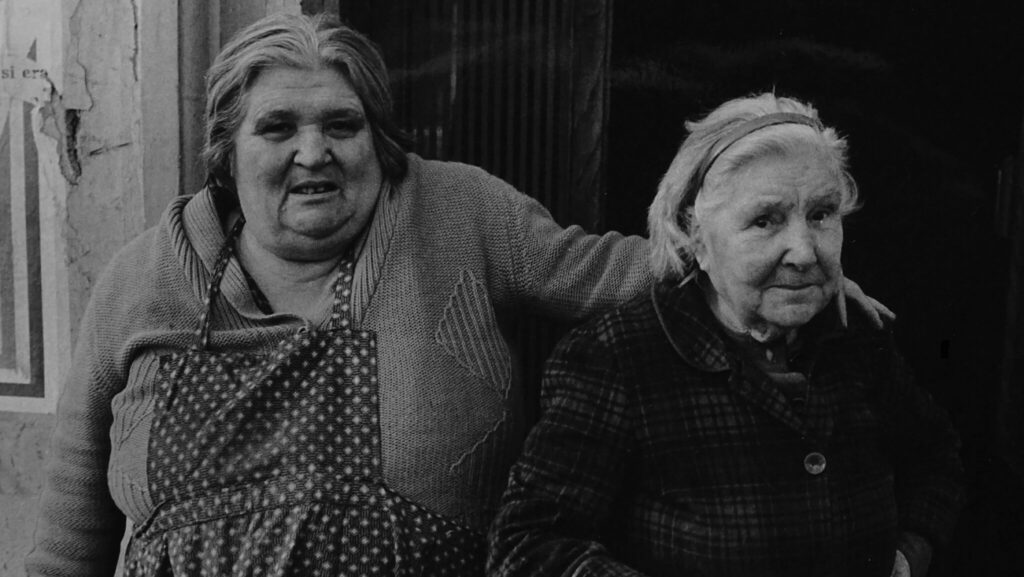
The Political Kitchen
This is the story of Rome’s first self-managed trattoria, founded in the 1970s in the Testaccio neighborhood. A group of eighteen young men and women came together with the idea of creating an alternative kind of business—one free from bosses and the alienation of conventional jobs.
Written by Marco Cinque
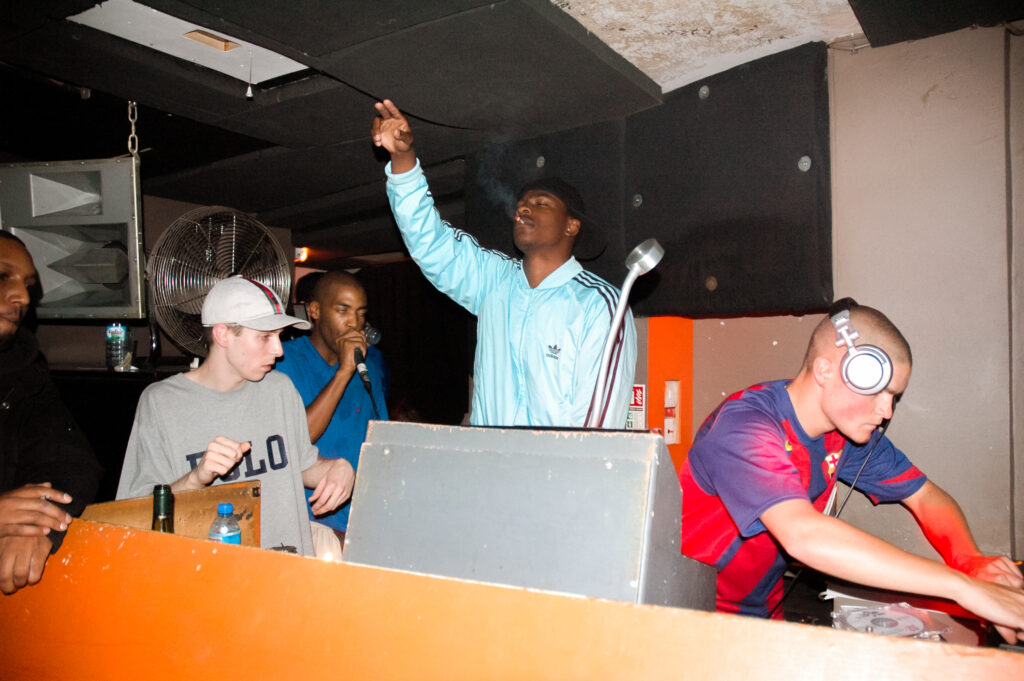
Experimental Sounds and Postcodes in Croydon: The Dubstep of CR0
A “naive” 140 bpm experiment that gave rise to a true cultural movement which, in the years to come, would first change the sound of London and then the world, inventing a genre as dark as the outskirts it came from.
Written by Tommaso Monteanni

My yellow-and-red Table
It’s hard to imagine a more Roman reaction than this. Just like it’s hard to imagine a neighbourhood more Roman than Testaccio. And finding one that’s more Romanista is absolutely impossible. Roma Club Testaccio embodies all this: being a Roman and a Romanista for generations is an essential identity trait.
Written by Giulio Pecci

The Electronic Hybridisation of Lusophone African Music and Sonic Globalisation in the Batida of Quinta do Mocho in Lisbon
Born in Lisbon’s suburbs in the early 2000s, Batida blends electronic music with the cultural and sociopolitical roots of the Lusophone diaspora. Reversing the usual flow of influence, it reclaims kuduro’s legacy, asserting identity through the diaspora’s cultural and sonic heritage.
Written by Matilde Manicardi
Angels on the Dancefloor
How Fiorucci, the infamous brand and store in the Centre of Milan, established a visual bridge between its legacy—inseparably tied to the American disco scene—and the rising wave of English acid house.
Written by Francesco Fusaro

The Sacrament of the Stadium
The stadium is a temple of the sacrament: there is the game, with all its officiants and devotees, and God, always present, somewhere just out of sight. San Siro is sacred to Milan in the most literal sense: since 1983, it has been the gathering place for Milanese confirmation candidates.
Written by Federico Corona

The Story of Ultra Culture is the Story of Globalisation
From the aesthetic, rules and songs of the Milanese Ultra Movement to the aesthetic of the revolution in Cairo: how the highest form of fan support in the world took on a revolutionary zeal.
Written by James Piotr Montague

From the roots of Jamaican sound systems in Bristol and the St Pauls Carnival, blending reggae and dub, to the evolution of drum & bass, dubstep, and hip-hop
The sonic legacy of the Caribbean diasporic community through sound system culture: seventy years of city history shaped by low frequencies, improvised clubs, blues dances, and constant genre blending.
Written by Oli Warwick
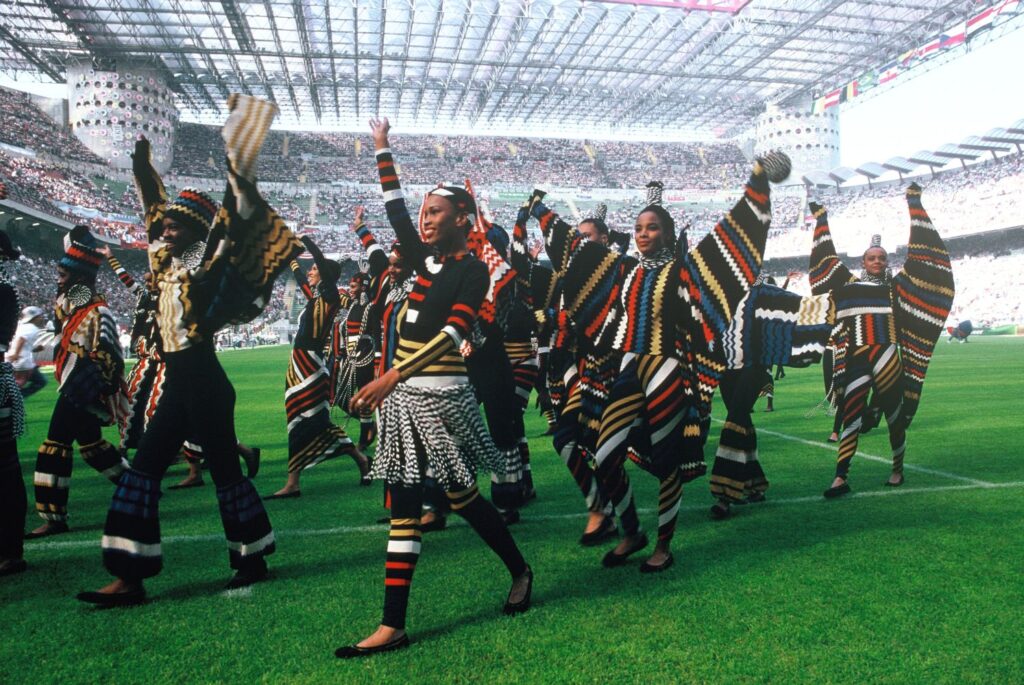
The “Scala” of Football
San Siro is the symbol of the city of Milan: the way of living it, of dressing, of the derby’s “almost friendly” rivalry, of the city’s urbanistic outburst.
Written by Federico Corona
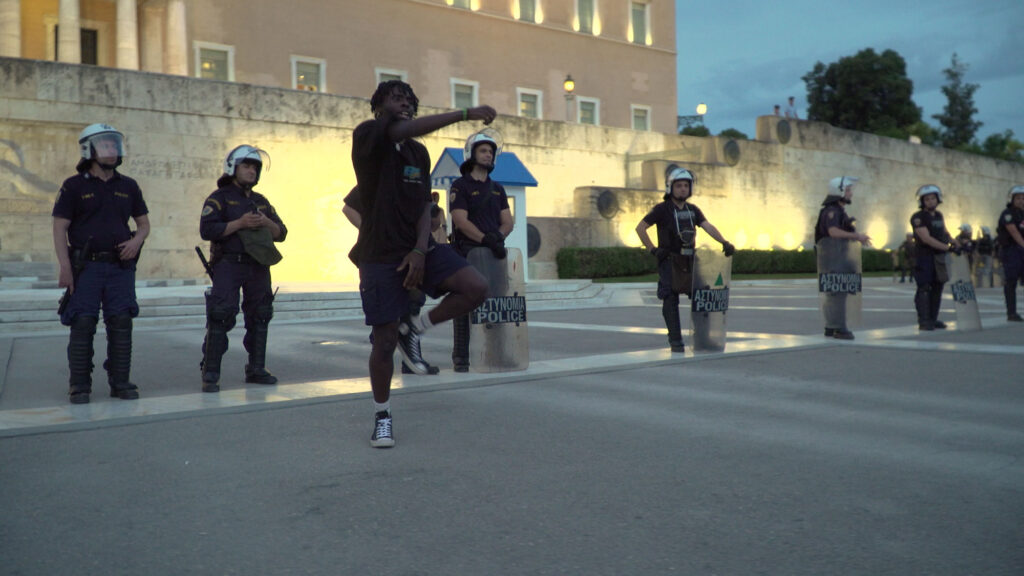
The AfroGreeks: Hyphenated living and community weaving in Kypseli
From the introduction of the Greek Afro-descendant community to the construction of an artistic and militant community project: The AfroGreeks attempts an archive of self-determination, affirmation, and resistance across Patission Avenue.
Written by Angeliki Tzortzakaki
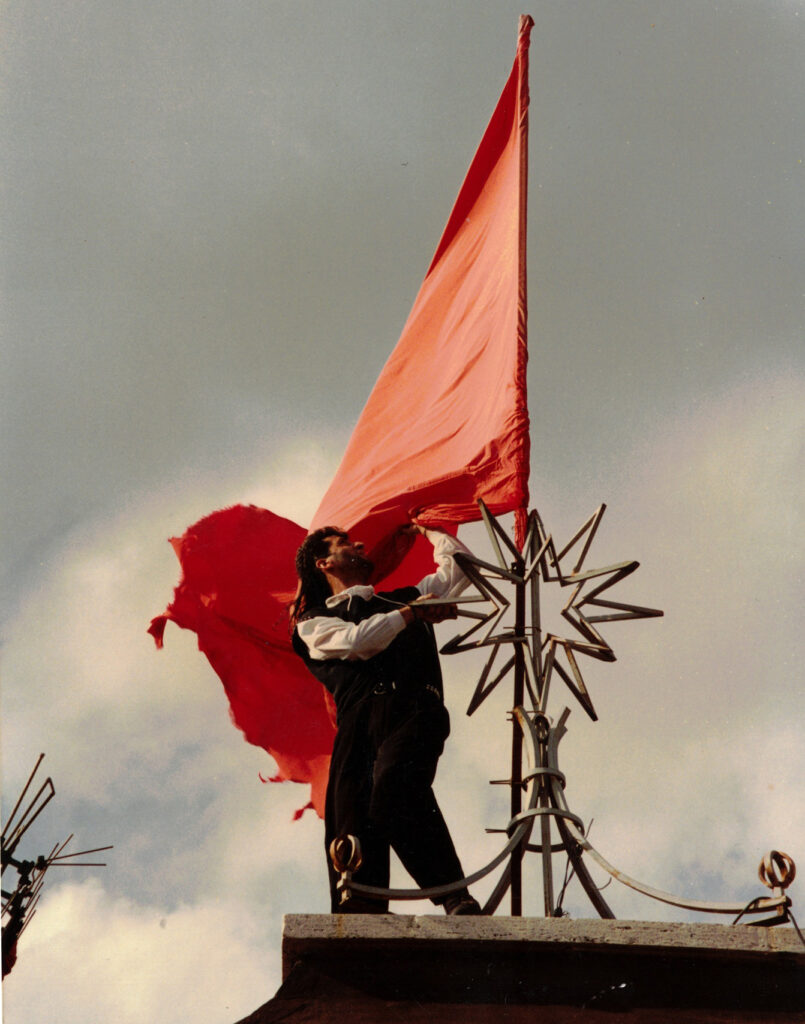
The World’s Kitchen
Immigrants take action against marginalization and misinformation. The Borsa spaces of the Ex Mattatoio in Testaccio has been occupied. The multiracial centre Villaggio Globale is born.
Written by Nicola Gerundino
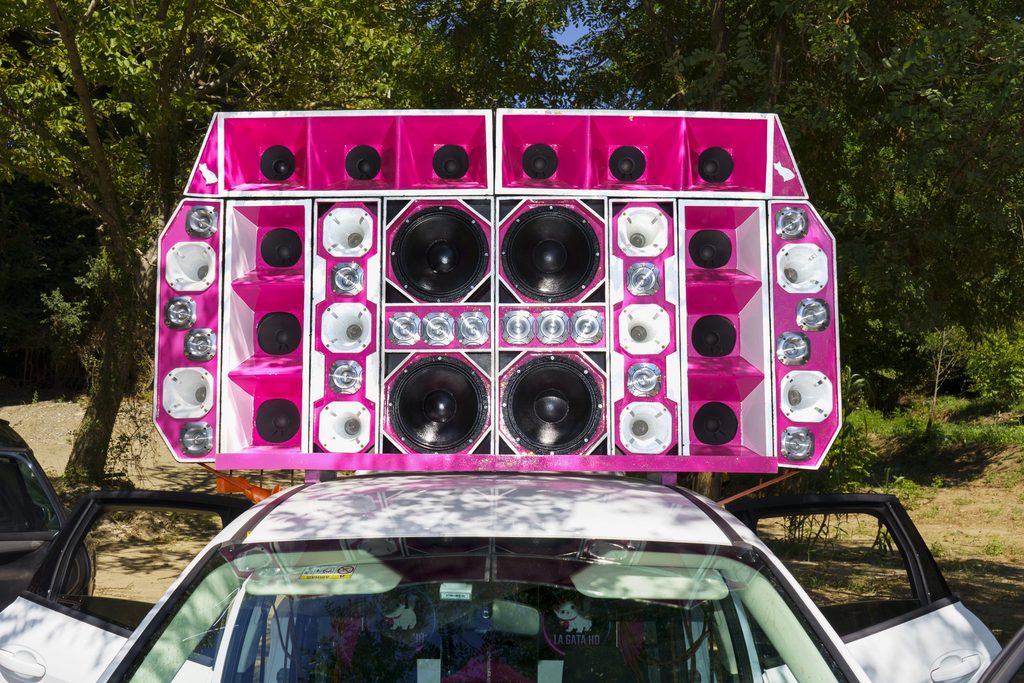
Landscape, Mobility, and Sonic Monumentality: The Kitipo Technique of Dominicans in the Community of La Spezia
The largest Dominican community in Europe is in the Umberto I neighborhood of La Spezia. Amidst picca pollo and béisbol, car sound system gatherings take place, where the one with the highest dB wins.
Written by Simone Bertuzzi / Palm Wine

The Third Tier
In 1990, the San Siro Stadium underwent its final renovation: the Third Tier and the iconic helical staircases were constructed. Renowned photographer Vincenzo Castella documented the entire year of the pharaonic construction site—a steel city that would foreshadow Milan’s evolving identity as a “machine of entertainment.”
Written by Piergiorgio Caserini
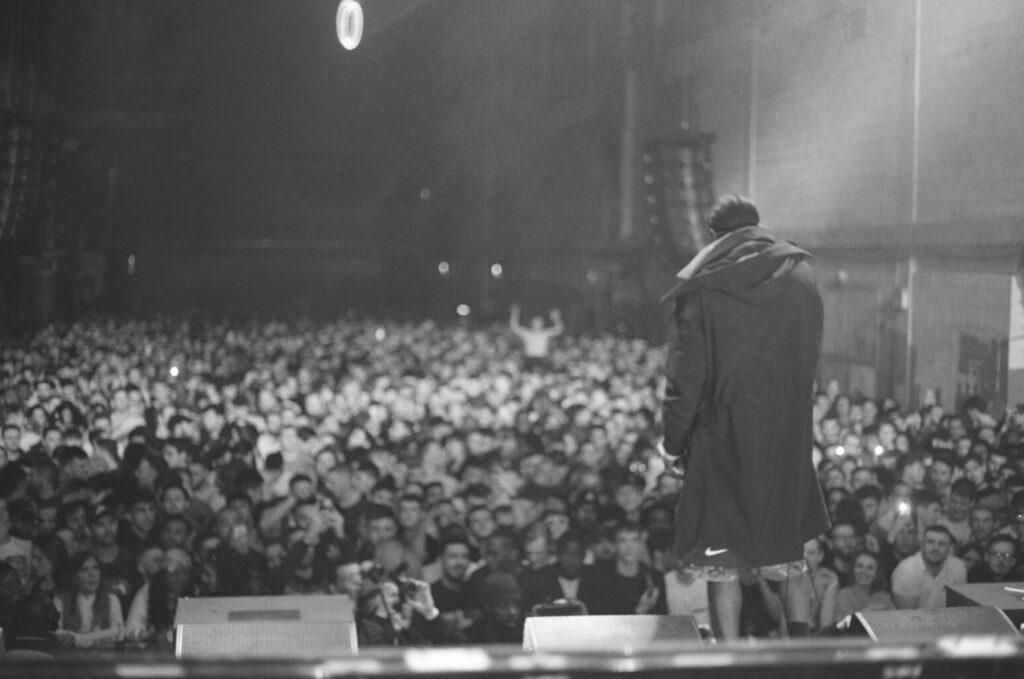
An “authentically local scene” born in the isolation of London’s East End: Grime, the sound of collective resilience
Grime’s history goes beyond music: it’s rooted in economic disparity, racialization, and urban oppression. Faced with state antagonism, marginalized communities turned to music as an act of resilience, carving out space and voice amid the suffocating pressures of city life.
Written by Tommaso Monteanni
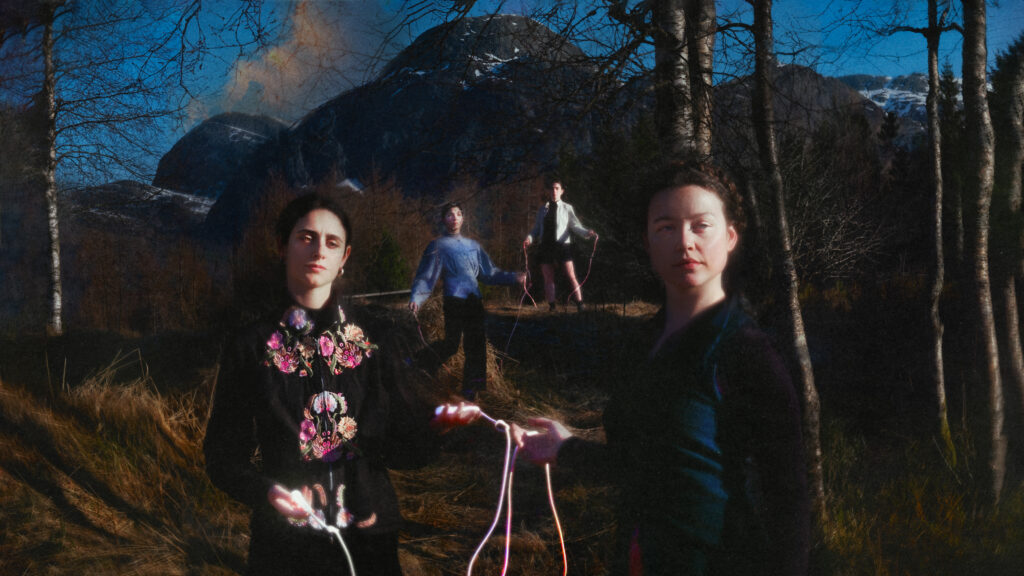
An Untold Story: The Journey of Live Arts from Its Origins in Bologna
When we talk about live arts, that is, “arts performed live,” what are we referring to? A story that began in the 1970s in Bologna (Italy), and completely changed the practices and conceptualization of contemporary art.
Written by Fabio Acca

A Kitchen and its Fire
To speak authoritatively about tradition, you need to have tasted it deeply, especially when it comes to cult foods like Roman-style pizza. That’s why it seems just fitting to turn to Jacopo Mercuro, the pizzaiolo behind the acclaimed 180 Grammi, to dive into the world of traditional pizzerias that have shaped Testaccio’s culinary backbone.
Written by Lorenzo Sandano

The Temple: Symbol and Dream of a City
For almost a century, San Siro has been the custodian of the dreams of millions of people, whose hopes blend and mix, each time fueling its spirit: it is the temple where contemporary heroes perform—playing the most-watched games in recent history and singing the most iconic songs before tens of thousands of people.
Written by Federico Corona

The Restaurant Kitchen
Rome’s culinary tradition is ancient. Classic dishes are tied to legendary names—chefs and creators of recipes who, then as now, continue to reinvent one of the world’s most renowned cuisines. In the Testaccio neighborhood, three restaurants stand out at this level: Checchino, Flavio, and Piatto Romano.
Written by Lorenzo Sandano

The district of food and kitchens
The Testaccio neighborhood in Rome has a millennia-old history, beginning with the port and warehouses of the Roman era and evolving with the construction of the public slaughterhouse in the late 19th century. From its discarded cuts of meat, the ‘quinto quarto’ cuisine was born—today considered the quintessential expression of the city’s culinary tradition.
Written by Nicola Gerundino