Magazine
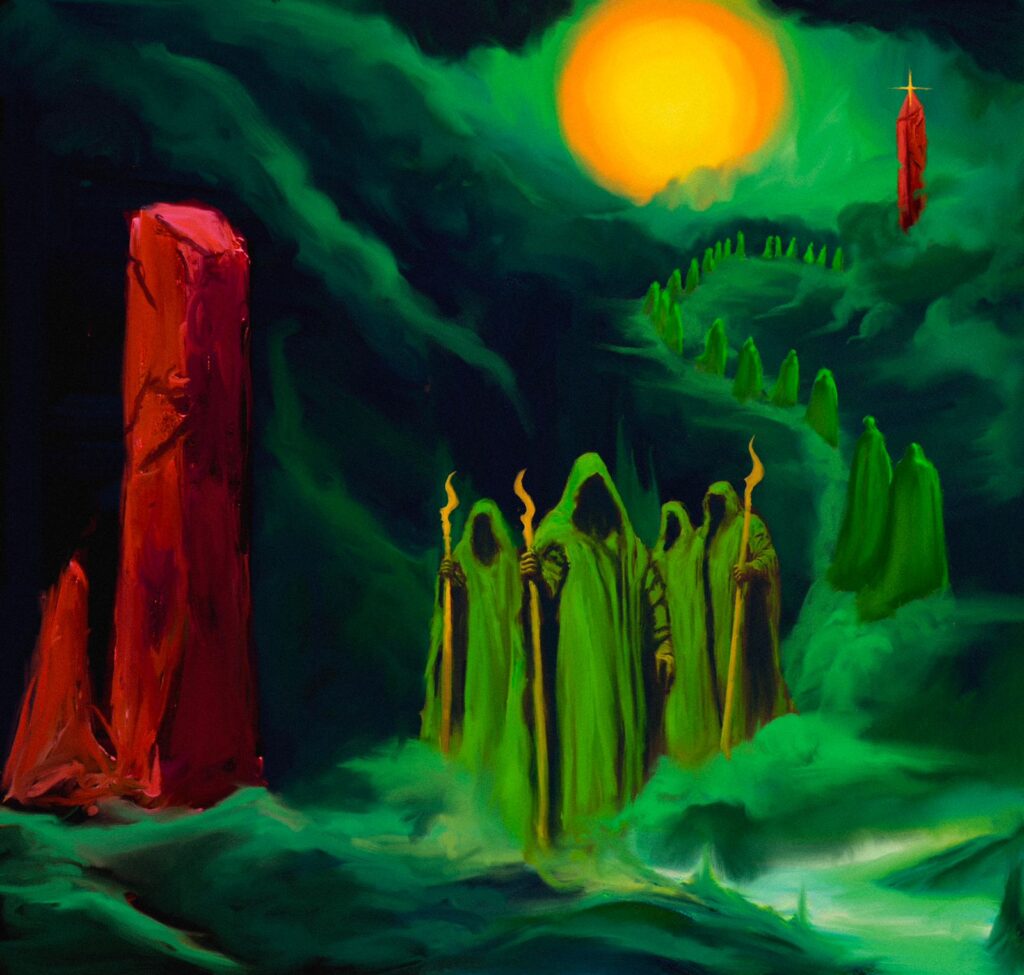
Kampungan: Reclaiming Indigeneity and Cosmopolitanism in Bandung’s Underground Scene
From early on, the meanings and effects of indigeneity and cosmopolitanism have been core themes of Indonesia’s underground scene, which has gradually gained strength both locally and globally in artistic and political spheres.
Written by Luigi Monteanni
Killer Ape Theory
A speculative fiction by artist Riar Rizaldi, rooted in Bandung’s underground music history, imagines a city where gangs of preman (freeman, gangsters), devoted to punk, metal, emo, and hardcore, rule the neighborhoods on motorcycles.
Written by Riar Rizaldi
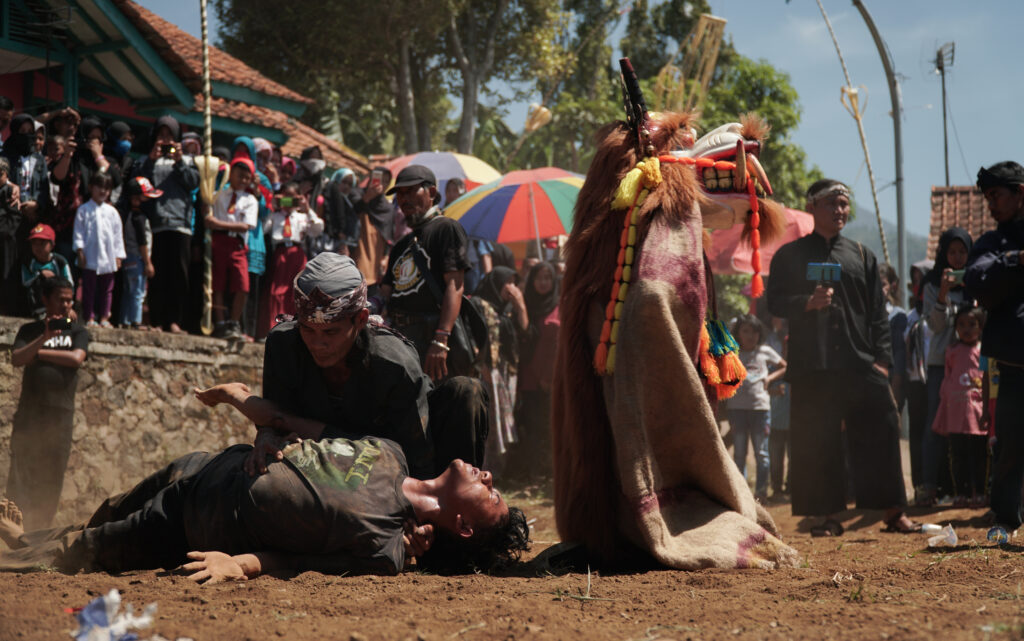
All fun, no rules: oppositional tradition and punk attitude according to Reak Balebat Pakidulan
Réak is a trance ritual which originated in Bandung, a subregional variant of horse trance dances, a group of pan-Indonesian performances known under various names such as jaranan and jathilan.
Written by Luigi Monteanni
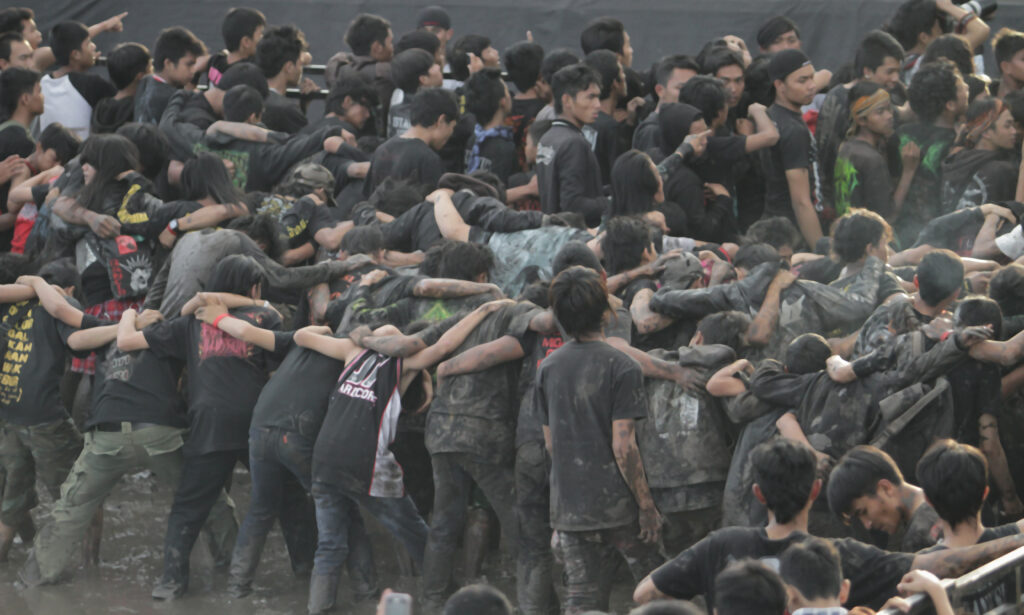
UJUNGBERUNG REBELS
There is a district on the outskirts of Bandung where traditional arts and heavy metal have collided since the 1990s—giving rise to pioneering bands, an underground zine scene, and DIY festivals that reshaped Indonesia’s music landscape.
Written by Kimung

The Role of Myth: Upholding Metal Identity in Ujung Berung, Bandung
The Ujung Berung metal community has become a case study of a chameleon-like and versatile countercultural space, exemplifying the role of underground music myths in creating environments where education, expression, and dissent intertwine, grow, and evolve.
Written by Hinhin Daryana

A thunder in Java: why Indonesian underground matters
At a time when music censorship is returning, political mobilization is rising, and student protests are spreading, the story of Buahbatu is not only urgent—it is necessary.
Written by Luigi Monteanni

Dembow a lo Dominicano
Dembow is a diasporic process that merges the foreign with the familiar, inventing shared dance grounds: an ever-changing rhythmic mantra that re-routes, re-roots, and fruits worldwide among the Dominican communities.
Written by Wayne Marshall

La Comunidad
In the Umberto I neighbourhood, each small group, each corner, each bar, kiosk, and bench has its soundtrack: from the most traditional and rhythmic merengue, with its accordion and drum rhythms, to the melodic, guitar-driven bachata, to the fast-paced dembow, a frenzied beat popular among the younger crowd, featuring percussive beats and alternating rap vocals.
Written by Danilo Manera

Heavy Bass, Diaspora Roots: Inside the Competitive World of Kitipó Culture in La Spezia and Beyond
Exploring the Dominican sound system culture, known as “kitipó” or “chipeo,” and tracing its journey throughout the diaspora—from its roots in the island’s musicology to its rebirth across the diaspora, including Italy, ultimately transforming culture.
Written by Jennifer Mota

On the freedom of being yourself, uncompromisingly.
If you’ve ever had the pleasure of encountering Ashley Okoli—either in person or online through her numerous creative endeavours—you’ll be a testament to her contagious confidence and freedom of self-expression. If you’re yet familiar with the creative icon, you’re in luck. Ashley Okoli’s presence is one of those rare forces that alters your brain chemistry.
Written by Adewojumi Aderemi

I Do What I Want
Emerging from Lagos’s peninsular neighbourhoods, the alté scene is shaping an anarchic and infectious lifestyle that defies the constraints of the Nigerian mainstream and reverberates across global contemporary culture.
Written by Wale Oloworekende

Let Them Be Free
Exploring the scene’s eclectic aesthetic evolution: from Lagos’s cult horror films and the social critique of Yung Nollywood to gaming visual culture and world-building through Cruel Santino’s Subaru Boys project—and beyond.
Written by Adewojumi Aderemi
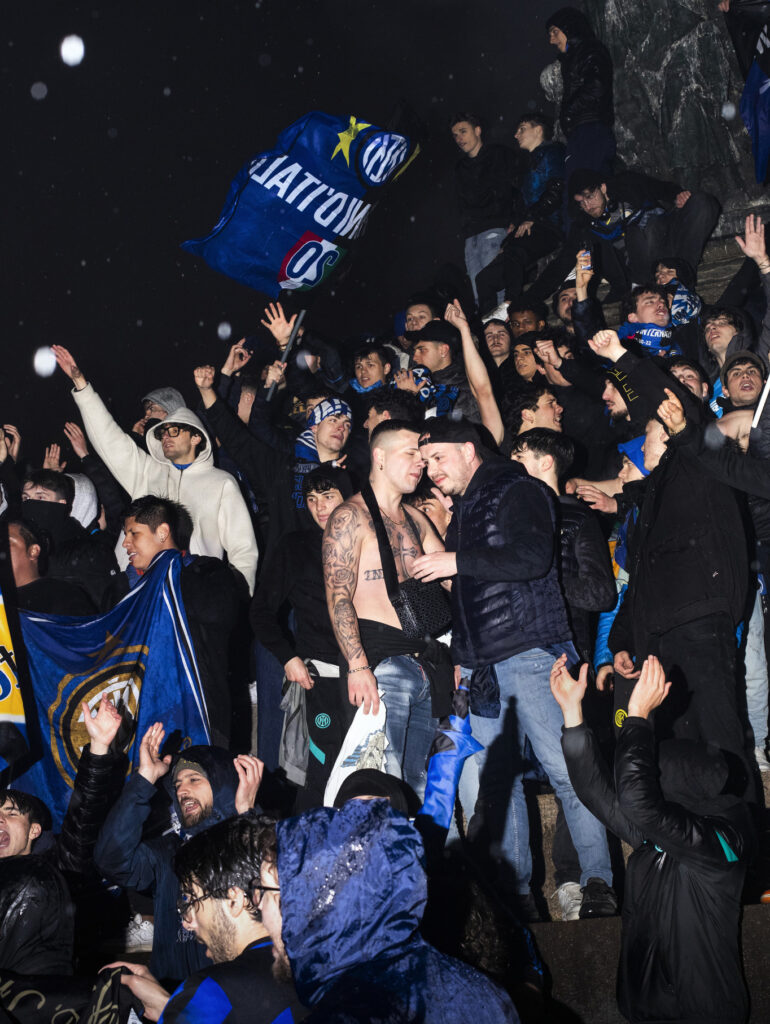
The Celebration of Victory
It was the classic grammar of celebration: the streets fill with people and empty of rules; the city becomes the set of a post-apocalyptic film, where authority vanishes and anthing, or almost anything, goes.
Written by Federico Corona

They’re all tens
More than a structured artistic scene, Dimes Square is a real-time mythology; an ecosystem of signals hovering at the boundary between performance and reality. If not explicitly alt-right, it is at the very least slightly reactionary: a glitchy remake of culture where gossip replaces journalism.
Written by Tommaso Dell'Anna
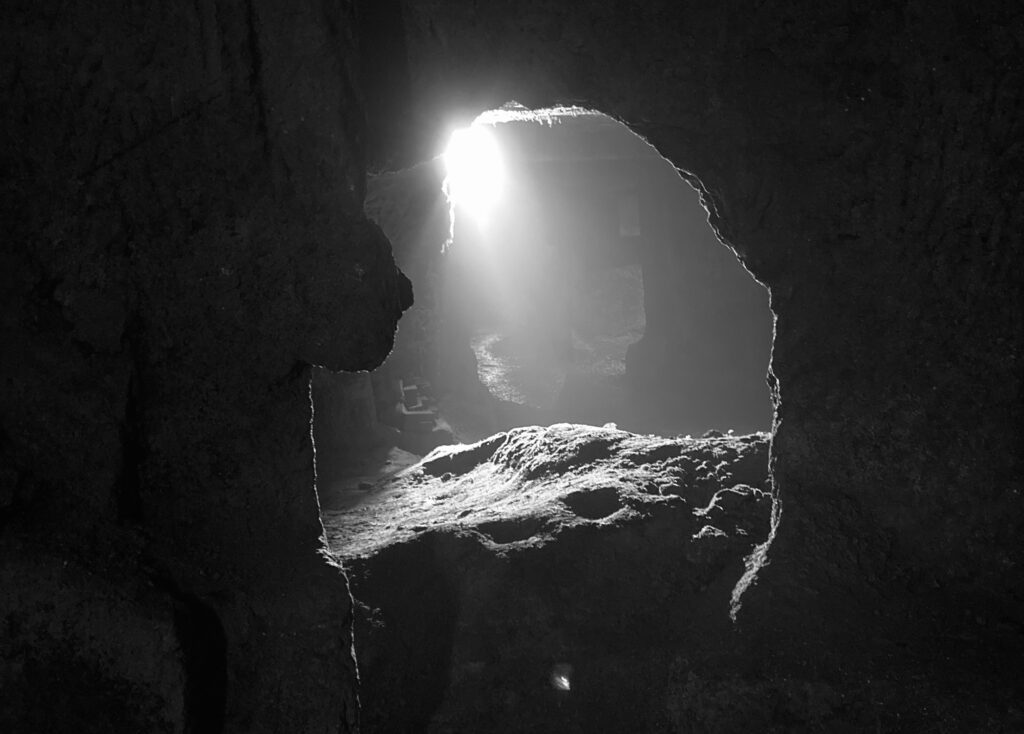
The History of Gorge from Tokyo to the Mountains (and Back)
There is a non-genre of music called Gorge that has animated many nights in Tokyo’s underground nightclubs, but it has much more to do with the outdoors—mountain climbing, hiking, and spelunking—than with city life.
Written by Francesco Birsa Alessandri
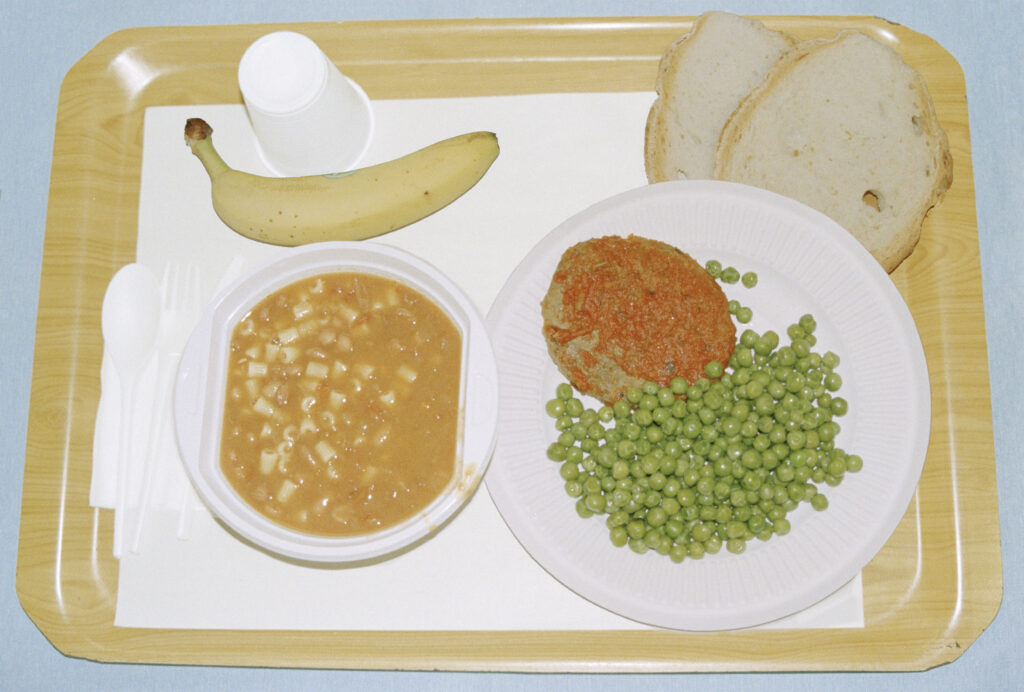
The “Cucina Economica”
The Cucina Economica of Testaccio, at 37 Via Mastro Giorgio, is one of three “affordable kitchens” operated by the Circolo San Pietro in Rome. Open since 1890, it serves over 40,000 lunches a year to those in need through a voucher system managed by local parishes.
Written by Nicola Gerundino
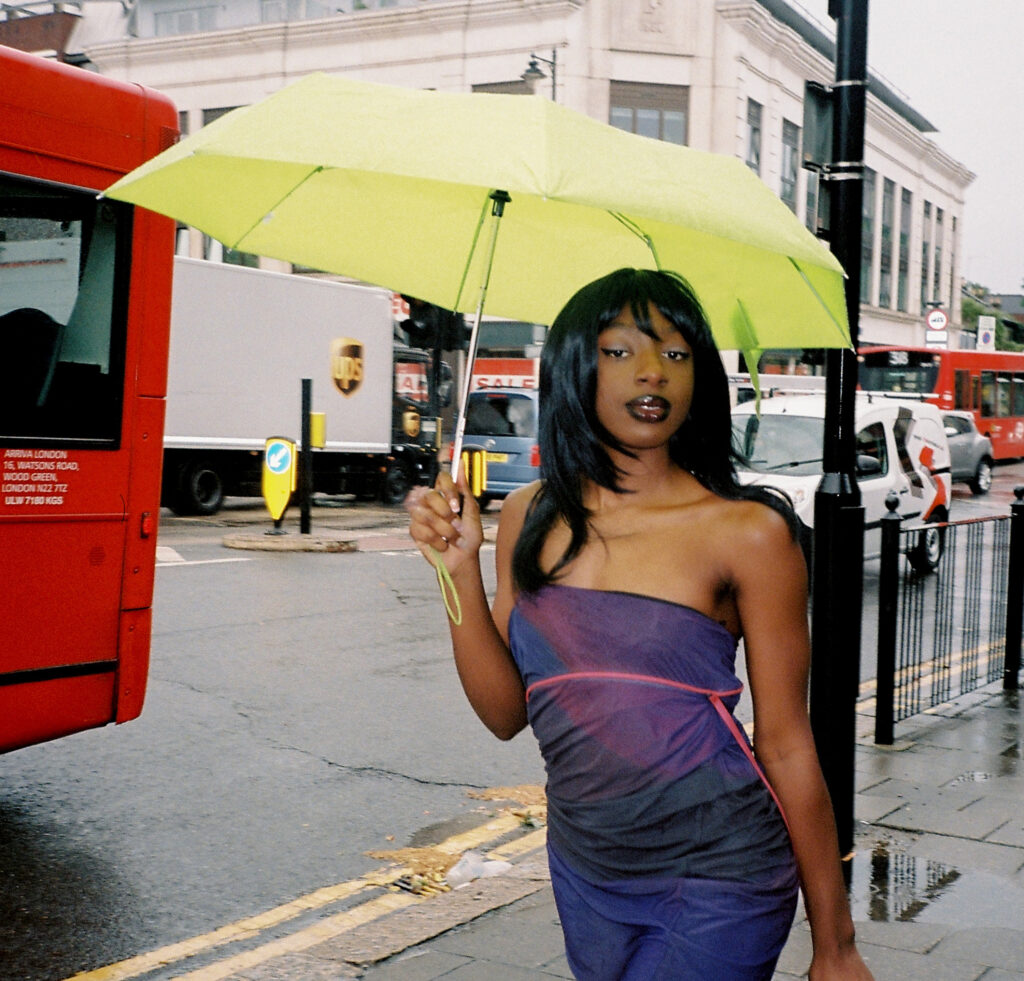
Okrika but Make It Fancy
The story of thrifting’s glamourisation in the Nigerian coastal city, from the dark logistics of the “bend down select” clothes trade to the emergence of independent alté brands and the global success of alté styling.
Written by Vincent Desmond
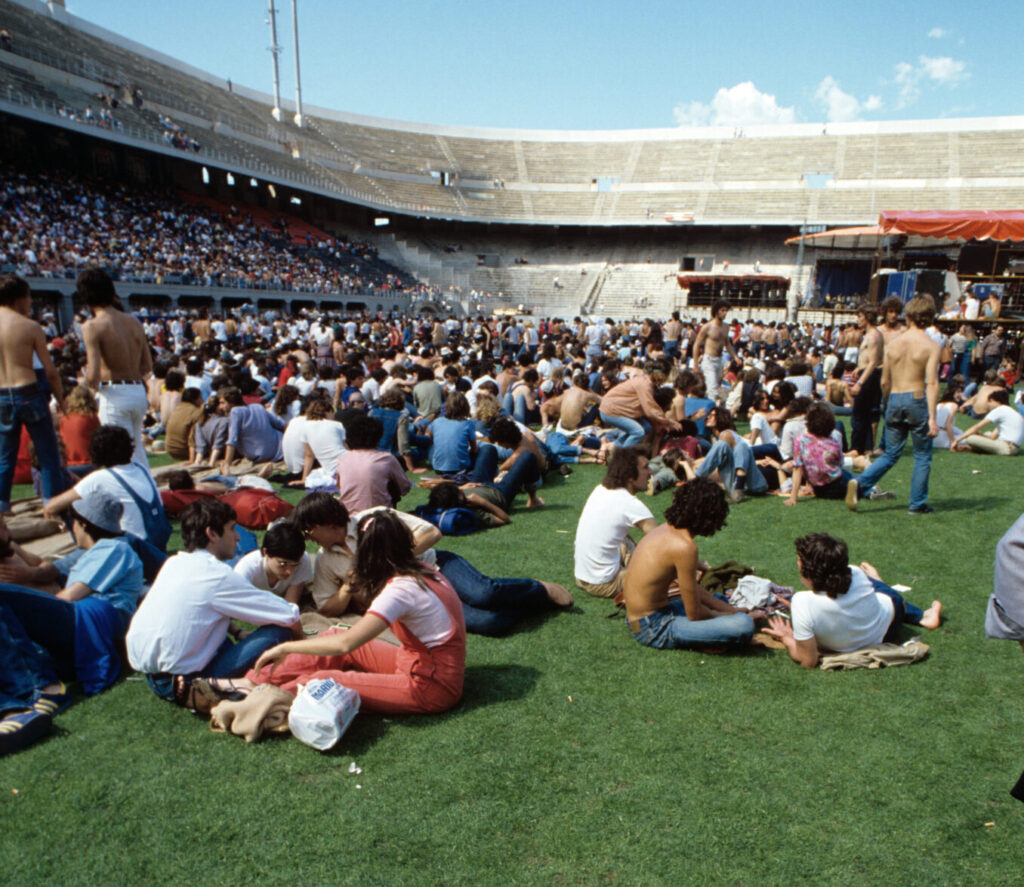
Music for the Stadium
San Siro is widely known as the Italian Temple of Football. However, its iconic role in the Italian music industry is rarely acknowledged. Performing in that stadium means being elevated to undisputed celebrity status.
Written by Federico Corona

Hyperlocal Presents at Triennale Milano Three New Magazines on Victoria Island (Lagos), Umberto I (La Spezia), and Buahbatu (Bandung)
At the 24th International Exhibition of Triennale Milano, “Inequalities / Cities”, Hyperlocal will unveil three abridged versions of its Billboard-Magazine and two Live Clubs, dedicated respectively to the Alté scene of Victoria Island in Lagos, the Dominican Kitipó culture of Umberto I in La Spezia, and the extreme, anti-authoritarian DIY community of Buahbatu in Bandung.
Written by Piergiorgio Caserini

“The Man of the Last Two Rounds” and “The Cyclone”: The Boxing Era at San Siro
San Siro isn’t just the Scala of Football—it’s a Cathedral of Sport, where only the greats play. In the golden age of Italian boxing, when names like Carnera, Loi, and Mazzinghi drew tens of thousands, this was the arena where legends were made while the legs trembled beneath the roar.
Written by Piergiorgio Caserini