Tour Guide
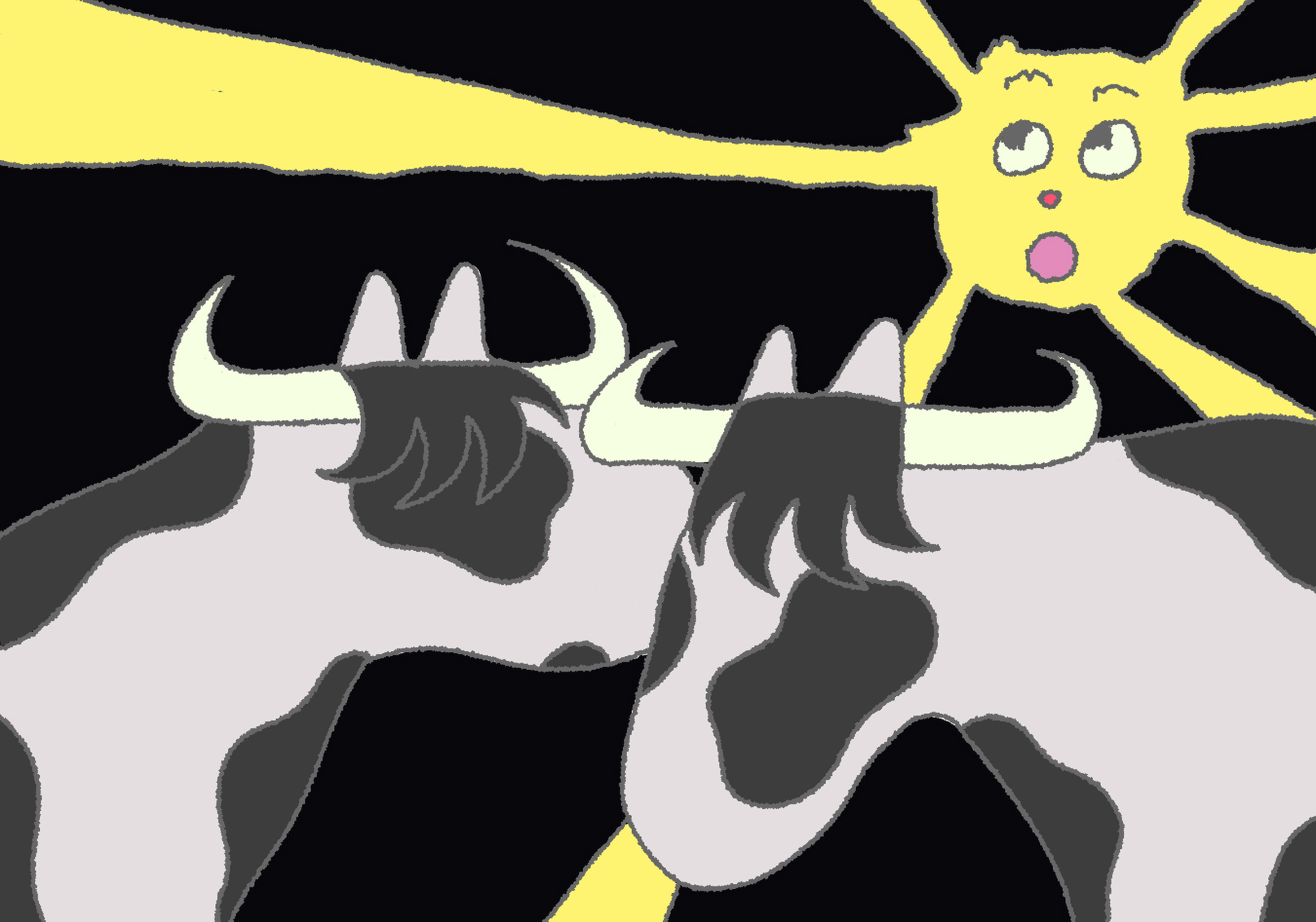
A Manila office worker arrives in Masbate expecting a provincial rodeo. Instead, he enters a world where cattle still organise the rhythms of life, where spectacle and labour blur under the island sun. In this literary fiction, Glenn Diaz moves through cowboy rituals, uneasy conversations and nocturnal pastures to explore what modern urban life has lost contact with, and what still survives at the edge of disappearance.
I’ve been to maybe three or four provincial airports in the country, and this one in Masbate looked just like the others. A single-level terminal the size of a department store next to a small runway. A nice view of the forested foothills beyond the line of trees still noticeably bent from the last typhoon. I wanted to stay outside, look at all the green, feel the probinsya breeze, but Mike had quickly sprinted to the crowded terminal where we waited for his luggage. Of course his six-foot-two frame stood out. The pale face that the merest suggestion of tropical sunlight turned bright red. Why anyone would bring a suitcase to a three-day trip, no one knew, and I wanted to ask him, just a gentle inquiry, but the innate Filipino hospitality must have kept the words in my throat.
There was also the matter of him being my boss, the possibility that any rapport we’d build during the trip could perhaps make his edits on my assignments less harsh.
Are we good? I asked, watching him pop up the handle of his austere Samsonite after a while.
Yes, sir, he said, the usual sing-song in his voice that made him one of the more approachable Americans on the floor at work, an analytics company in BGC for which I pored over and synthesized corporate reports.
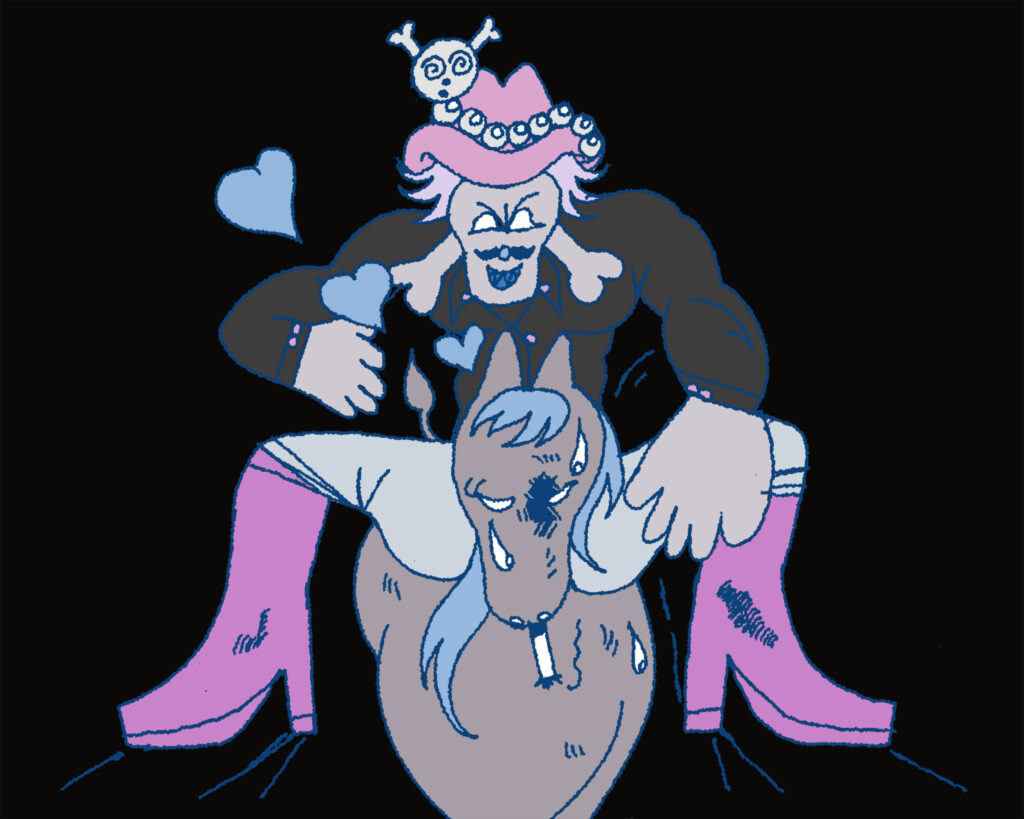
We were at the drop-off trying to call the hotel pickup when I heard him let out a yelp. Almost cute. Mouth ajar, he was pointing at something just outside the airport premises, and it took a while before I realized what I was looking at. A thick herd of cattle was slowly walking—trotting? parading?—around the nearby rotunda, being steered it seemed by men on horses, men in plaid and boots and cowboy hats nonchalantly waving to the crowd of onlookers. It was a wondrous sight. A welcome in my head. Mike beamed like a child. Well, howdy, Mas-ba-tey, he murmured, and I heaved a sigh of relief when the hotel vehicle finally arrived.
***
I was there supposedly to chaperone and translate for Mike, senior manager for editorial and eager first-time-in-Asia tourist, but everything was legible to him. A lot of the signs were in English, cowboy hats and fridge magnets and leather belts were peddled to him in English, and random groups struck up a conversation with him in English, with self-conscious yee-haws thrown in for good measure. Just Filipinos being Filipinos.
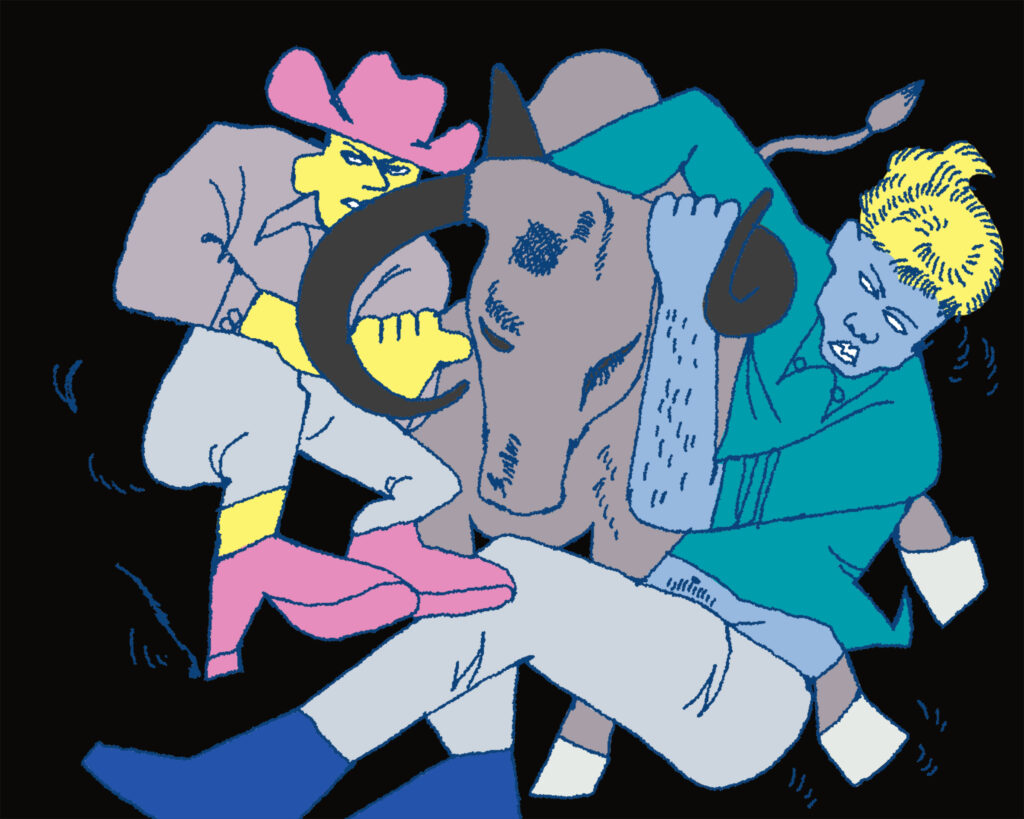
If anything, he was educating me. He grew up in Houston, he said, but his family was originally from Odessa, apparently, out west, and he had a lot of stories about rodeos and ranch culture but his voice would be drowned out by the screeching that periodically erupted from the bleachers where we found ourselves later that day. The vaguely Western music with Tagalog lyrics blasting from the PA system didn’t help. He’d explain what went on at every event, as if I couldn’t see them, the whip cracking and the lassoing and even the line dancing. But even he was stunned, it seemed, at the sheer chaos of the carambola event, three cows unleashed into the arena with about a dozen men furiously chasing them down. It was hard to keep track of all the activity happening all over the place, but you could tell who was winning, man or cattle, based on the shrieks. A few minutes in, and one cow, trying to make a run for it, jumped over a fallen comrade being held down, sending two groups of men colliding into each other, and when the flurry was over one man lay on the ground not moving. Oh, I think someone was hit, the announcer said. Men carrying a stretcher entered the arena, and I looked away.
How is this even allowed? I thought, looking around the murmuring stadium, but Mike turned to me, so I might have said it out loud.
All the cows had been subdued, tied down. The tremendous effort was rewarded with applause. As the frenzy died down, people returned to their phones, to idle chitchat, or bought snacks from roving vendors.
I told Mike my father used to take me and my older brother to the sabungan, the cockpit, when we were little, and it just felt so barbaric, it was bloodsport, like the roosters would actually die, and everyone would cheer. Then I’d learn in a history class that it’s been a thing even before the Spanish came, with very deep roots in our culture supposedly, and so it must valued and so on, but that’s not enough reason, right? I mean, we know so much more know about how other beings think and feel. Even trees and plants. What more, animals.
No, I get it, Mike said. An amiable shrug. He appeared to give it a thought, but he also looked like he was figuring out how to explain something complicated to a child. I guess my take is a bit different, he said. Rodeo is a sport, yes, but if you think about it it’s still humans being in contact with animals in a very intense way, even if it does seem brutal from the outside. Is that weird logic? I don’t know.
Are you thirsty? I asked, waving at one of the vendors.
He shook his head and smiled. I mean, you’re from Manila, when was the last time you’ve seen a cow, much less touch one?
That is weird logic, I told him, belatedly, while I paid for our bottled water. I was ready to make my case. Argue that it’s still human exceptionalism under the guise of culture or people’s livelihood as the planet burned, and didn’t they ban bullfighting in Barcelona, see, it just takes political will. But something stopped me from speaking. I noticed a group of chatty students who would turn to us every now and then quiet down, maybe listening. I returned Mike’s smile. Agree to disagree, I told him.
I get it, he said, trying to assure me. But his question might have gotten to me because it flashed in my head, all the concrete and glass and manicured lawns and well-behaved trees that I’d encounter in my morning walk from my apartment to my office. No cows of course. The last time I’ve seen one must have been one of those cattle-drawn caravans bursting with native products, like broomsticks and duyans and baskets, which used to be a familiar sight in Manila until they disappeared.
A voice announced that the bull riding event was next. From where we sat we could see a few of the bulls getting more and more restless within the chutes.
***
It was our last night in Masbate, and we were driving to the outskirts of the city. Mike had chatted up—and charmed—a jovial, important-looking man at the line for pork barbecue at one of the stalls inside the stadium grounds. Marcelo Briones Jr—just call me Jun, he said—was important indeed. On our way to a ranch where he looked over 150 head of cattle, he regaled us with choice anecdotes from an exceptional, obviously often-told story of escaping a life of poverty, his father a porter while his mother sold fish at the market, all thanks to hard work, perseverance, and faith in a god who always provides, and here he gestured to what I imagined were the rolling hills outside, the pastures that were perfect for grazing.
Faith is everything, Mike said. A solemn nod.
Oh yes, Jun said, launching into a new tale.
The promised dinner had been sumptuous. Probably the best tapa I had in my life.
After the tour of the farm, Jun took out his phone and begun to show his new American friend pictures from the early years of the rodeo festival. More stories. I gestured to them that I’d just take a quick walk around the area, and Mike, trapped, gave a look that was hard to decipher.
We weren’t far from the main road, but it felt like we had withdrawn from the mad world, the silence broken only by the relentless chirping of crickets and errant birdsong. I followed a trail that led to the entrance to the pasture, cued by a makeshift fence.
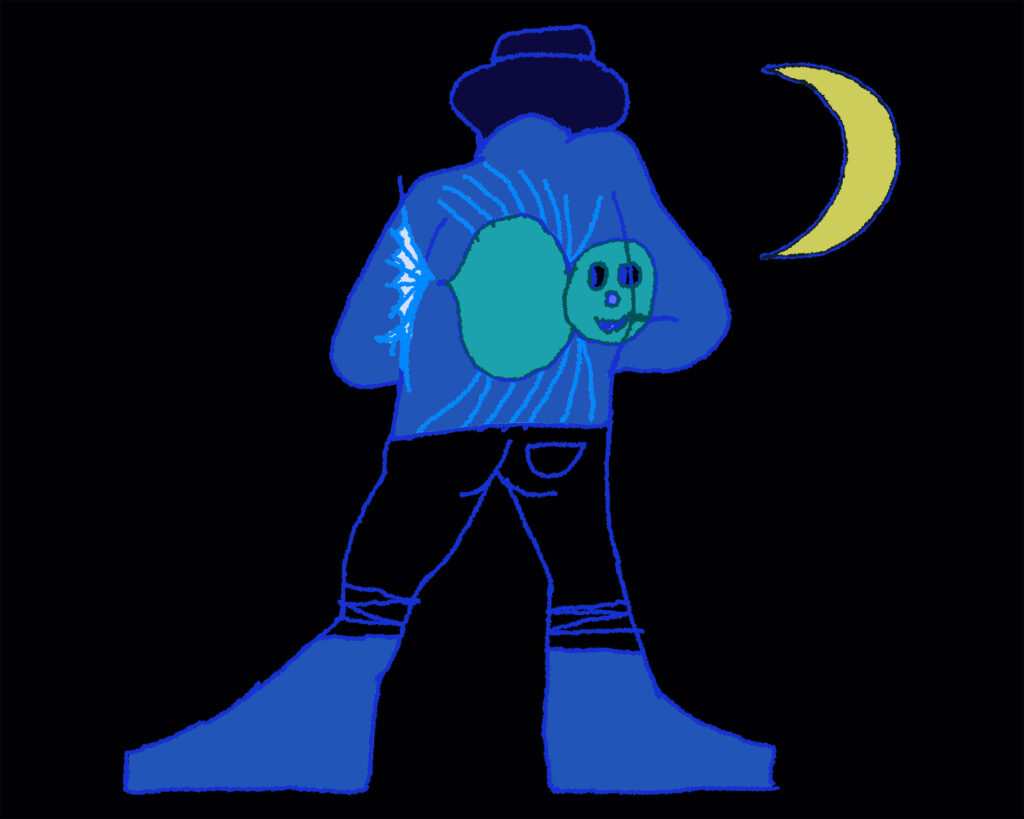
It took a while for my eyes to adjust to the sort of blueish hue with which the moon bathed the surroundings. Out in the field I thought I could see the outline of a small group of cows on the ground by a clump of trees. I felt the calmest I’ve felt in years. A few times over the past couple of days I’d heard ranchers explain that the rodeo events were simply things that they did every day. I was thinking about this when the figure of a small man, or a boy—a farmhand?—emerged from the huddled group. None of the cows shifted. There was nothing amiss in the fields. The figure stood for a while, unmoving. Then it appeared to yawn, arms outstretched, a good ten seconds, the exertion a clue to the quality, the depth of the sleep. I was preparing to say hello and explain my intrusion when I blinked and the figure was gone. From somewhere I heard someone call out my name.