Magazine
Society

“The Man of the Last Two Rounds” and “The Cyclone”: The Boxing Era at San Siro
San Siro isn’t just the Scala of Football—it’s a Cathedral of Sport, where only the greats play. In the golden age of Italian boxing, when names like Carnera, Loi, and Mazzinghi drew tens of thousands, this was the arena where legends were made while the legs trembled beneath the roar.
Written by Piergiorgio Caserini
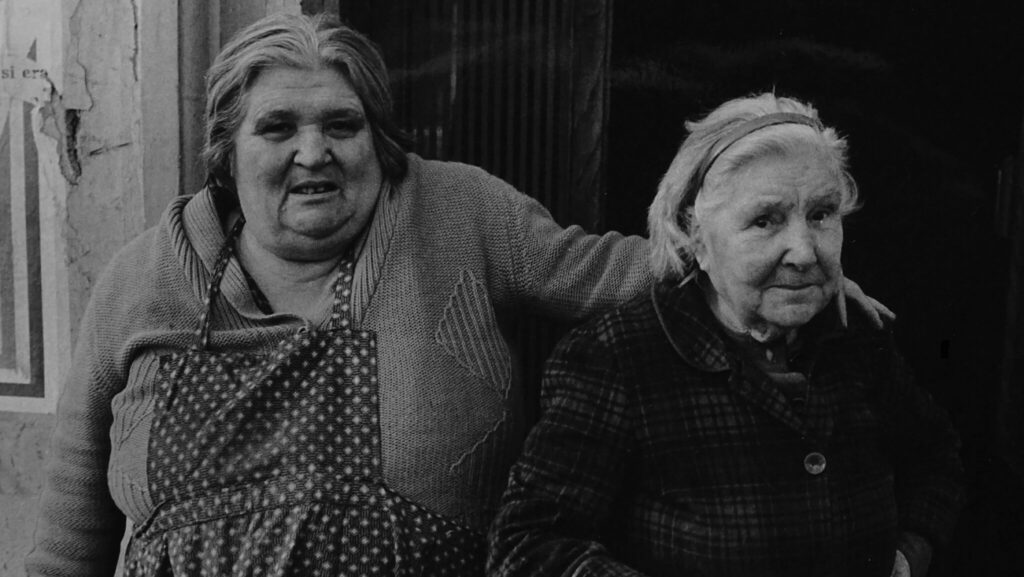
The Political Kitchen
This is the story of Rome’s first self-managed trattoria, founded in the 1970s in the Testaccio neighborhood. A group of eighteen young men and women came together with the idea of creating an alternative kind of business—one free from bosses and the alienation of conventional jobs.
Written by Marco Cinque
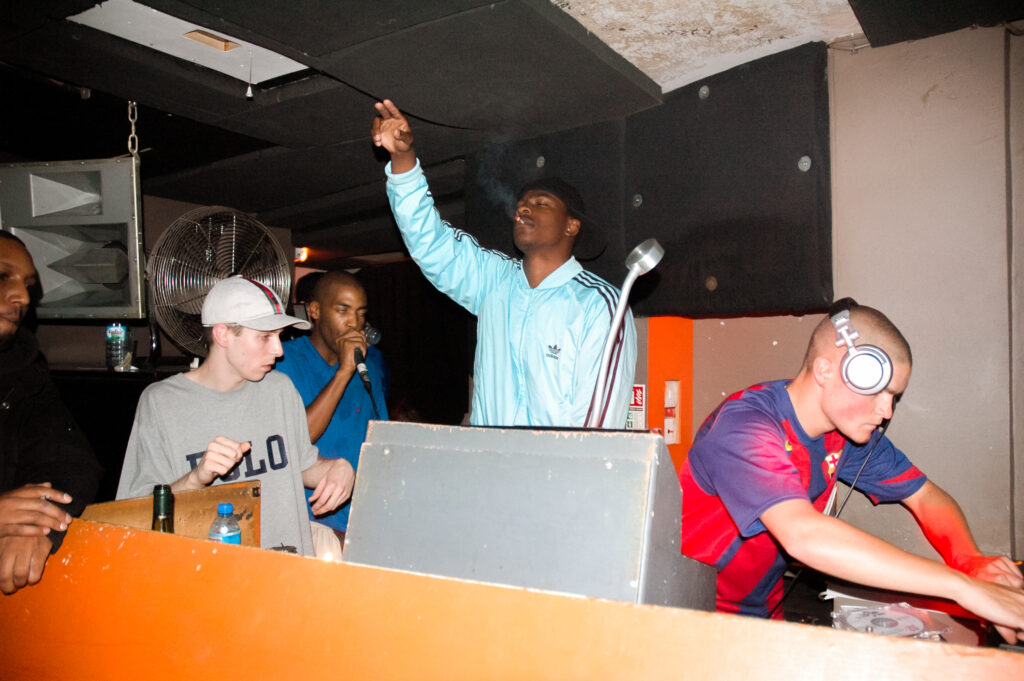
Experimental Sounds and Postcodes in Croydon: The Dubstep of CR0
A “naive” 140 bpm experiment that gave rise to a true cultural movement which, in the years to come, would first change the sound of London and then the world, inventing a genre as dark as the outskirts it came from.
Written by Tommaso Monteanni

My yellow-and-red Table
It’s hard to imagine a more Roman reaction than this. Just like it’s hard to imagine a neighbourhood more Roman than Testaccio. And finding one that’s more Romanista is absolutely impossible. Roma Club Testaccio embodies all this: being a Roman and a Romanista for generations is an essential identity trait.
Written by Giulio Pecci

The Electronic Hybridisation of Lusophone African Music and Sonic Globalisation in the Batida of Quinta do Mocho in Lisbon
Born in Lisbon’s suburbs in the early 2000s, Batida blends electronic music with the cultural and sociopolitical roots of the Lusophone diaspora. Reversing the usual flow of influence, it reclaims kuduro’s legacy, asserting identity through the diaspora’s cultural and sonic heritage.
Written by Matilde Manicardi

The Sacrament of the Stadium
The stadium is a temple of the sacrament: there is the game, with all its officiants and devotees, and God, always present, somewhere just out of sight. San Siro is sacred to Milan in the most literal sense: since 1983, it has been the gathering place for Milanese confirmation candidates.
Written by Federico Corona

The Story of Ultra Culture is the Story of Globalisation
From the aesthetic, rules and songs of the Milanese Ultra Movement to the aesthetic of the revolution in Cairo: how the highest form of fan support in the world took on a revolutionary zeal.
Written by James Piotr Montague
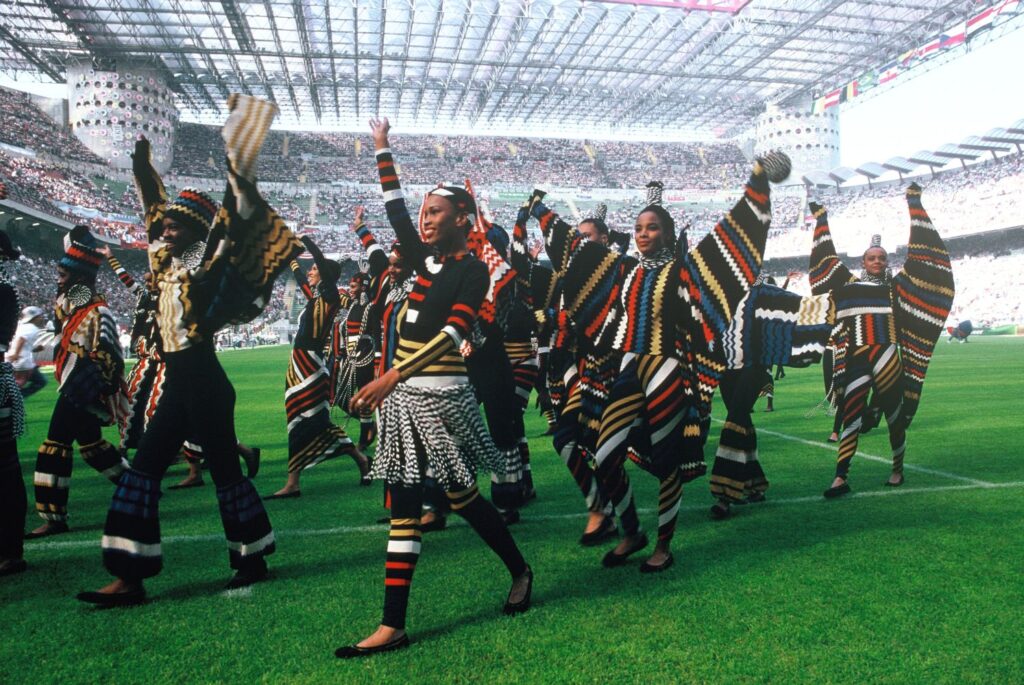
The “Scala” of Football
San Siro is the symbol of the city of Milan: the way of living it, of dressing, of the derby’s “almost friendly” rivalry, of the city’s urbanistic outburst.
Written by Federico Corona
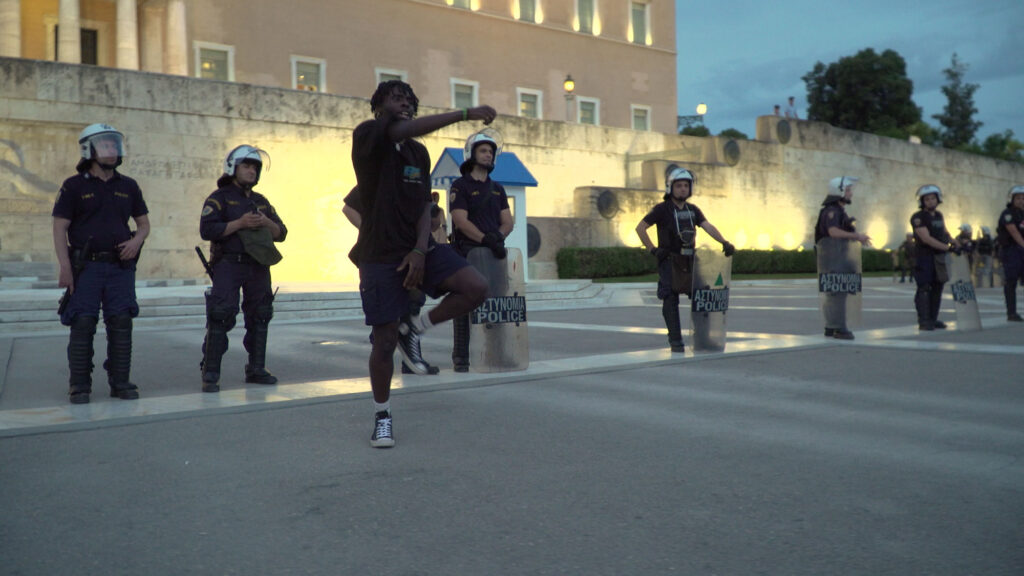
The AfroGreeks: Hyphenated living and community weaving in Kypseli
From the introduction of the Greek Afro-descendant community to the construction of an artistic and militant community project: The AfroGreeks attempts an archive of self-determination, affirmation, and resistance across Patission Avenue.
Written by Angeliki Tzortzakaki
The World’s Kitchen
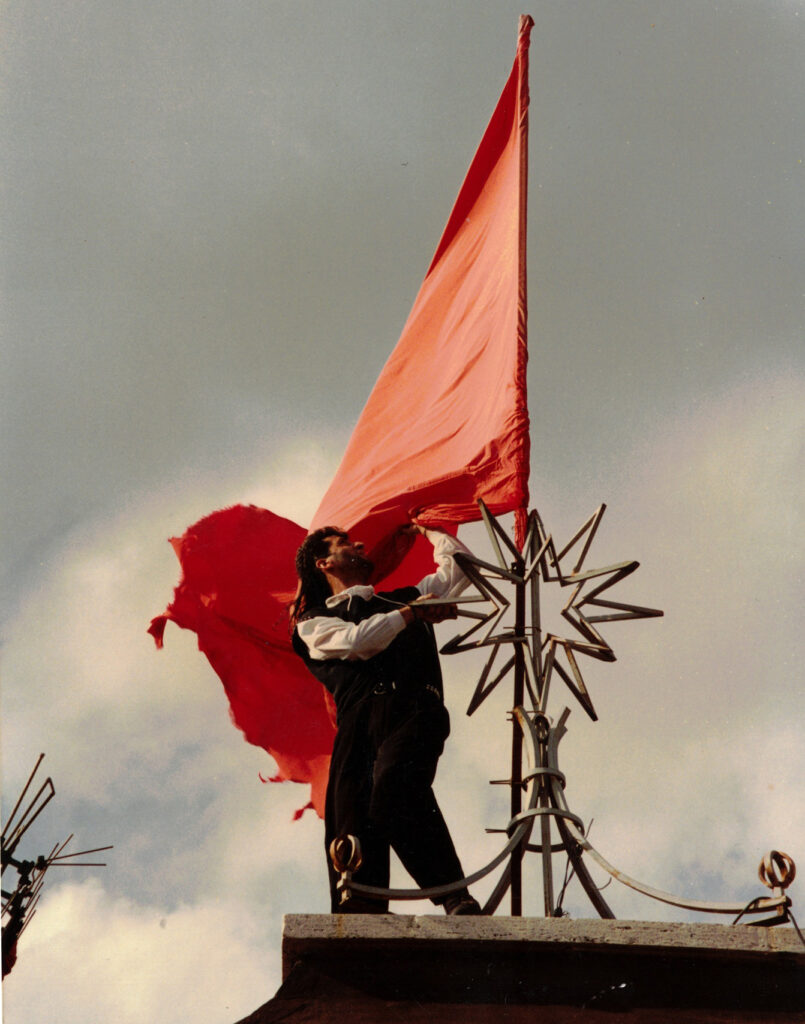
Immigrants take action against marginalization and misinformation. The Borsa spaces of the Ex Mattatoio in Testaccio has been occupied. The multiracial centre Villaggio Globale is born.
Written by Nicola Gerundino
An Untold Story: The Journey of Live Arts from Its Origins in Bologna
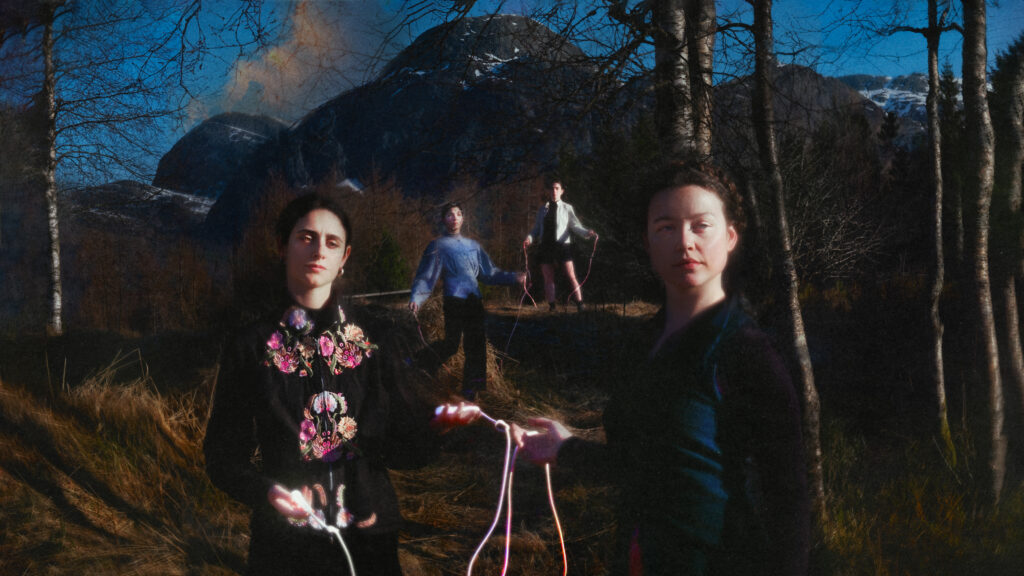
When we talk about live arts, that is, “arts performed live,” what are we referring to? A story that began in the 1970s in Bologna (Italy), and completely changed the practices and conceptualization of contemporary art.
Written by Fabio Acca

The Temple: Symbol and Dream of a City
For almost a century, San Siro has been the custodian of the dreams of millions of people, whose hopes blend and mix, each time fueling its spirit: it is the temple where contemporary heroes perform—playing the most-watched games in recent history and singing the most iconic songs before tens of thousands of people.
Written by Federico Corona

The district of food and kitchens
The Testaccio neighborhood in Rome has a millennia-old history, beginning with the port and warehouses of the Roman era and evolving with the construction of the public slaughterhouse in the late 19th century. From its discarded cuts of meat, the ‘quinto quarto’ cuisine was born—today considered the quintessential expression of the city’s culinary tradition.
Written by Nicola Gerundino