Magazine
Culture
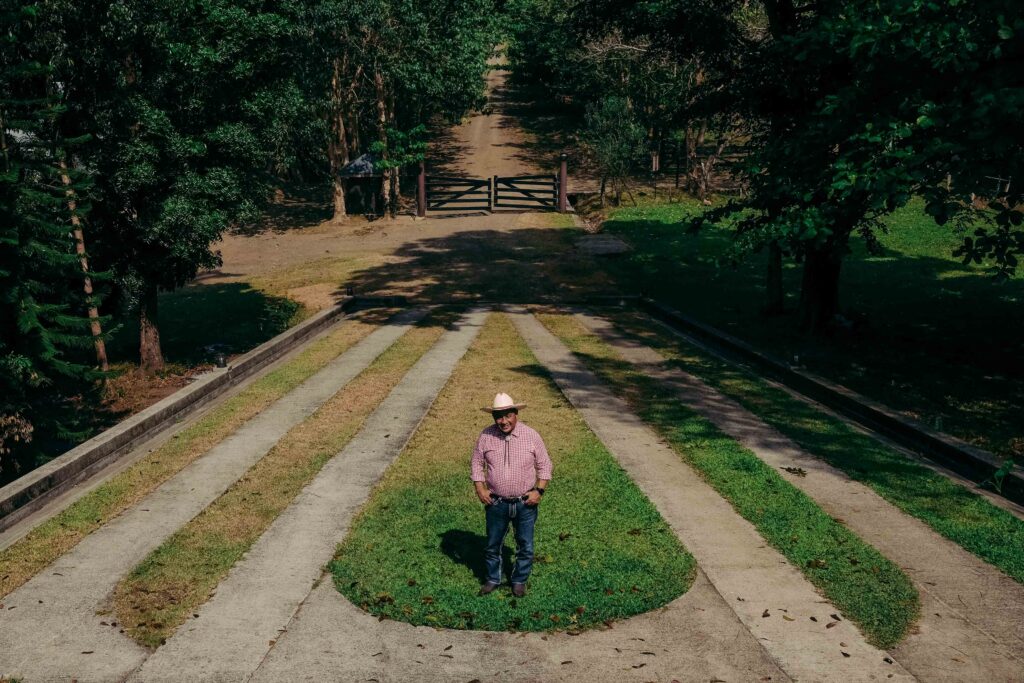
At The Heart of the Heard
Masbate, one of the largest islands in the Philippine archipelago, revolves around cattle. Bulls, cows and pasture define its culture; ranches span the land, and labour has shaped a landscape marked by centuries of hoofprints. Lassoing, cattle wrestling and horse breaking are not just survival skills, but the basis of a singular public ritual: Southeast Asia’s largest rodeo.
Written by Mark Jerome Torres

Most People Already Cosplay: On cosplay,avatars, and the quiet violence of passing as normal
At the intersection of cosplay and concealment, animegao kigurumi reveals how identity shifts through embodiment. By fully erasing the visible self, the practice creates space for behavioral freedom and altered social dynamics. Confidence, gentleness, and play emerge through the mask, showing how identity is shaped in interaction rather than anchored to personal history.
Written by Shayli Harrison
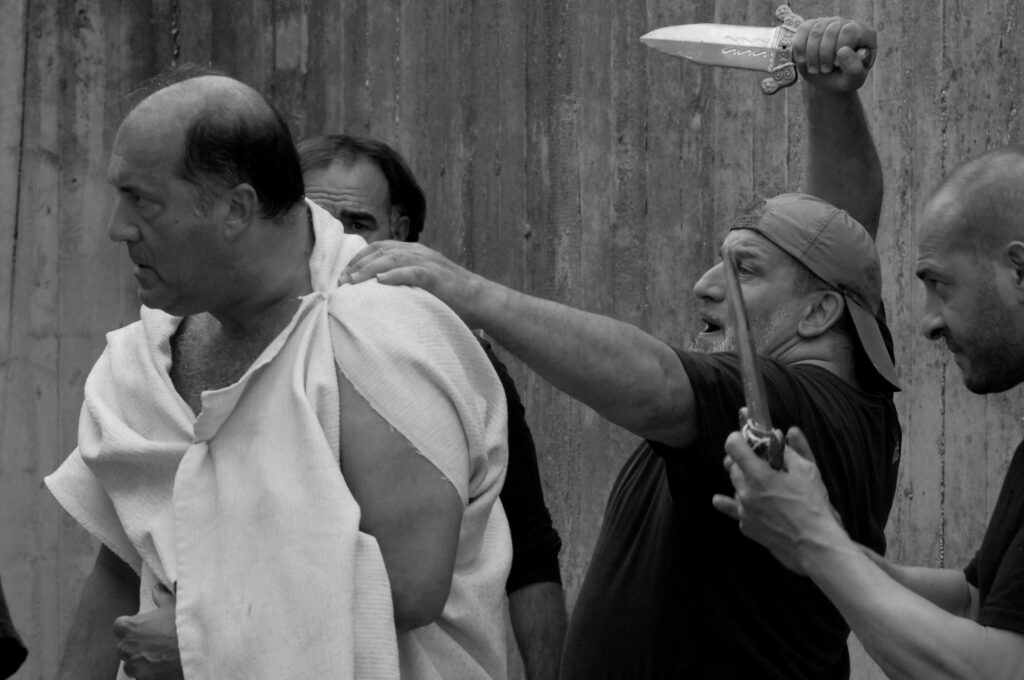
“It sounds like this Shakespeare lived in the streets of my city.”
“Caesar Must Die” is a 2012 movie by Taviani Brothers, inspired by the Shakespeare’s Julius Caesar. The directors had seen the Rebibbia ensemble at work and were convinced of its cinematic potential but needed a story with universal resonance. Conspiracy, betrayal, guilt, leadership, and the corruption of power—all central themes in Shakespeare’s tragedy—echoed the actors’ own lives and the paths that had led them to prison.
Written by Graziano Graziani
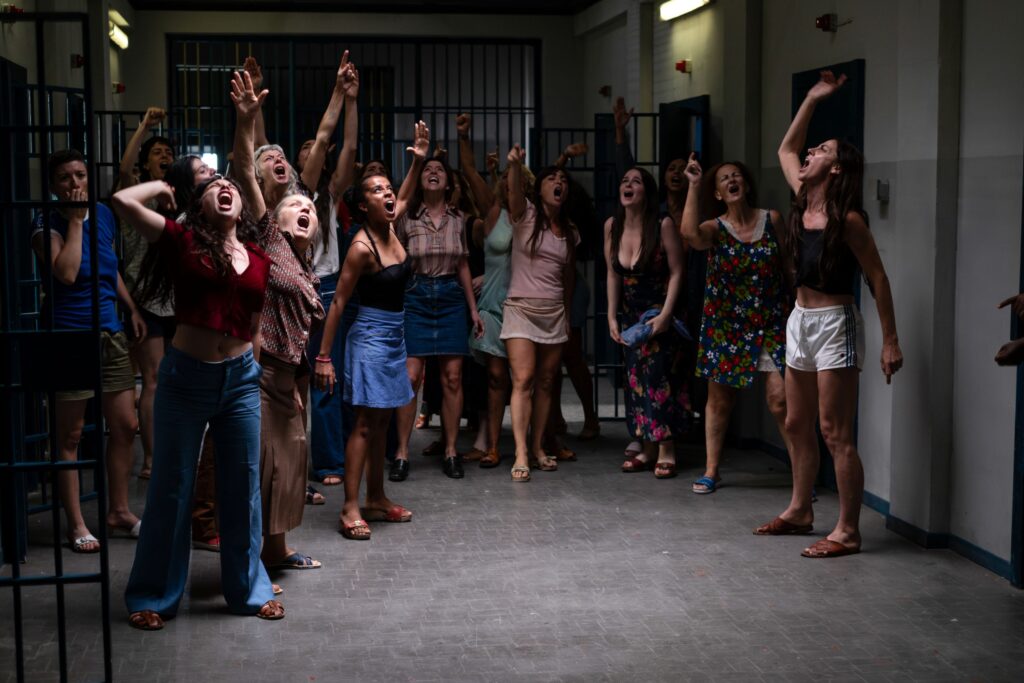
“You are you, I am me, and I don’t care what you did to end up in prison.”
The prison is a crucial passage for those who end up inside it. Fuori, the film by Mario Martone, shot in prison and based on Goliarda Sapienza’s novel The University of Rebibbia, portrays the spaces of Rebibbia as a labyrinth where fragmented space and disoriented senses contribute to “regressing you to childhood,” as Goliarda writes, and which can suddenly become a kind of home, strangely similar to the outside world.
Written by Alice Sagrati
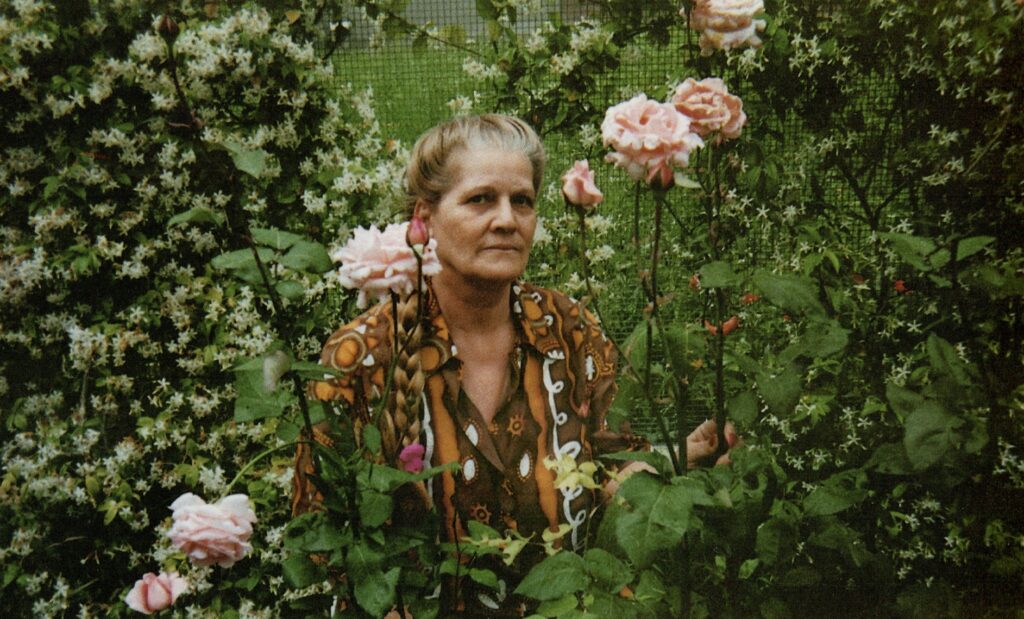
“If you don’t like your job, why do you do it?”
Among gardens and walls unfolds the tragic story of Germana Stefanini, a guard executed by three self-styled revolutionaries during a so-called “proletarian trial,” whose name was later given to the Female Section of Rebibbia prison.
Written by Nicolò Porcelluzzi
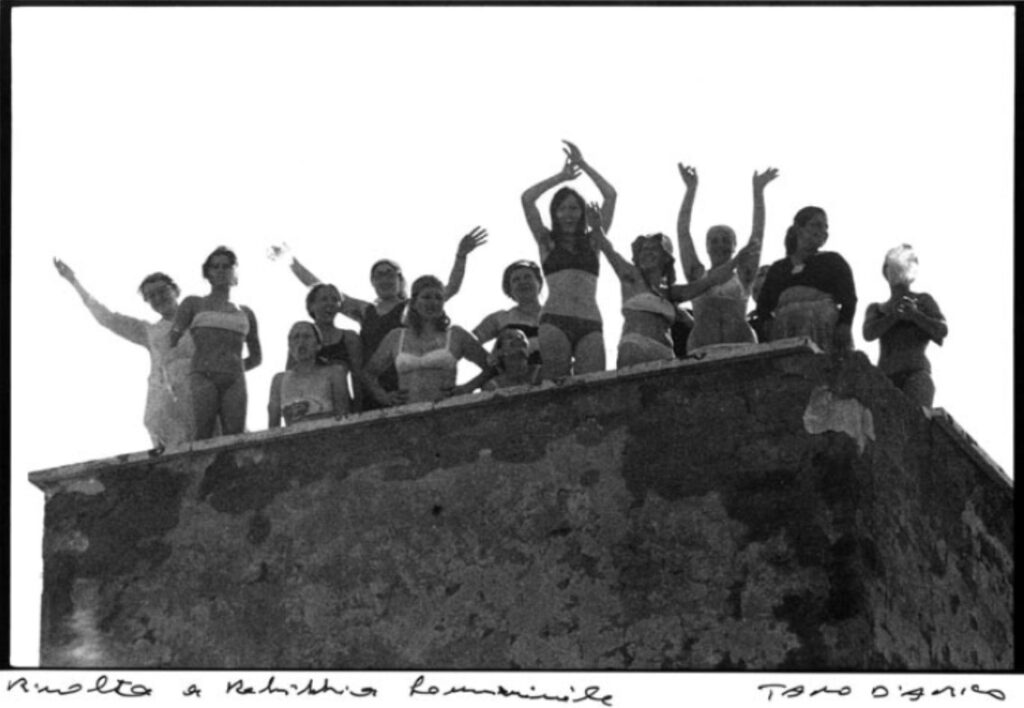
“In images, more than in words, we must look for the stories of the defeated.”
“Camera Oscura” was a photographic project by Tano D’Amico occurred in Rebibbia. One of the few that let the detainee shoot their own photos. It was a way to overturn photography’s usual role from an instrument of control and transform it into a space of shared freedom, and above all, a way to bridge, or at least narrow, the distance from the outside. As some participants wrote years later: “Since we do not wish anyone to have to come and visit us here, we prefer to reach you ourselves through our images.”
Written by Silvia Basile
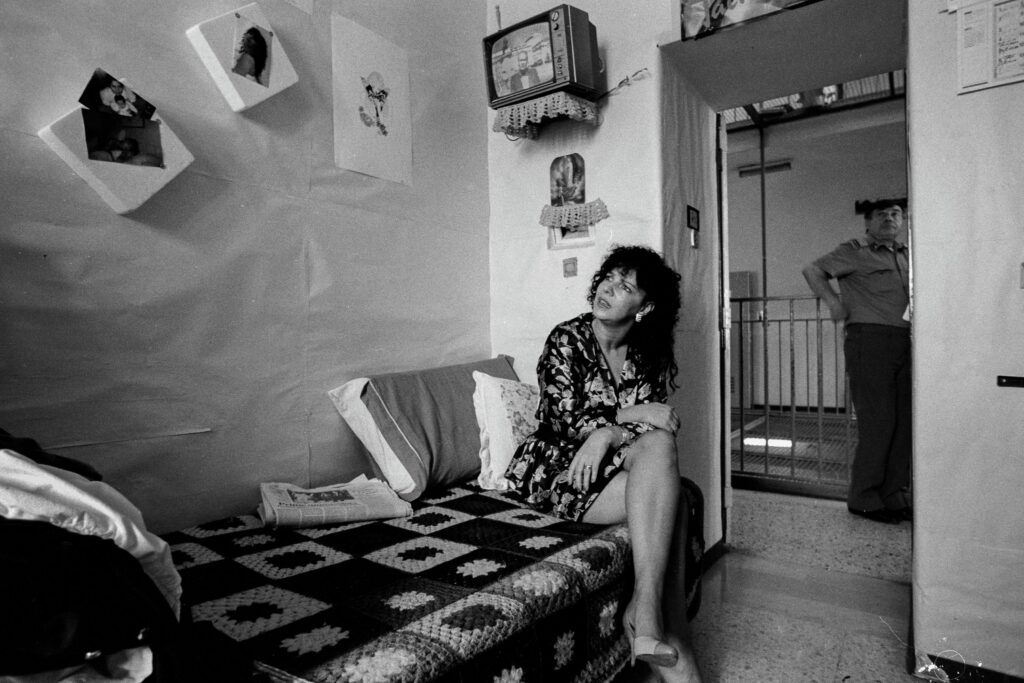
“No Flowers for the Brides.”
How does a wedding happen in prison? Isabella De Silvestro tells the story of Tiziana, a woman who attended two weddings, one as a guest and the other as the bride, during the 1980s, when they were all political prisoners in Rebibbia.
Written by Isabella De Silvestro

“On earth, there’s church and there’s prison. If you go to church, you go to heaven. If you go to prison, you go to hell.”
In early ’90s Rebibbia, three lives crossed: Princesa (Fernanda Farias de Albuquerque), a trans woman from Brazil; Giovanni, a Sardinian lifer; and Maurizio, ex-Brigate Rosse. Their secret letters became the novel Princesa, an act of liberation that lingers on her experiences of desire, sex, and self, while suggesting a historical passing from political struggle to identity struggle.
Written by Elisa Cuter

Globally and locally isolated: Ursynów and Mokotów as symbols of post-communist subculture in Southern Warsaw
In the early 1990s, as Poland emerged from Soviet influence and rebuilt after the fall of communism, a new subculture began to take shape in the urban blocks of working-class neighbourhoods. Known as blokersi or “kids from the block,” these youth, often from economically marginalised families, embraced hip-hop culture as a means to express their post-communist identity. They used graffiti, skateboarding, and rap music to critique the disillusionment of the era, with southern Warsaw districts like Mokotów and Ursynów becoming the epicentres of this cultural movement. It was here that Polish hip-hop was born, giving rise to influential crews like ZIP Skład, Molesta, and Hemp Gru, marking the start of a unique social and musical revolution in the country.
Written by Tommaso Monteanni
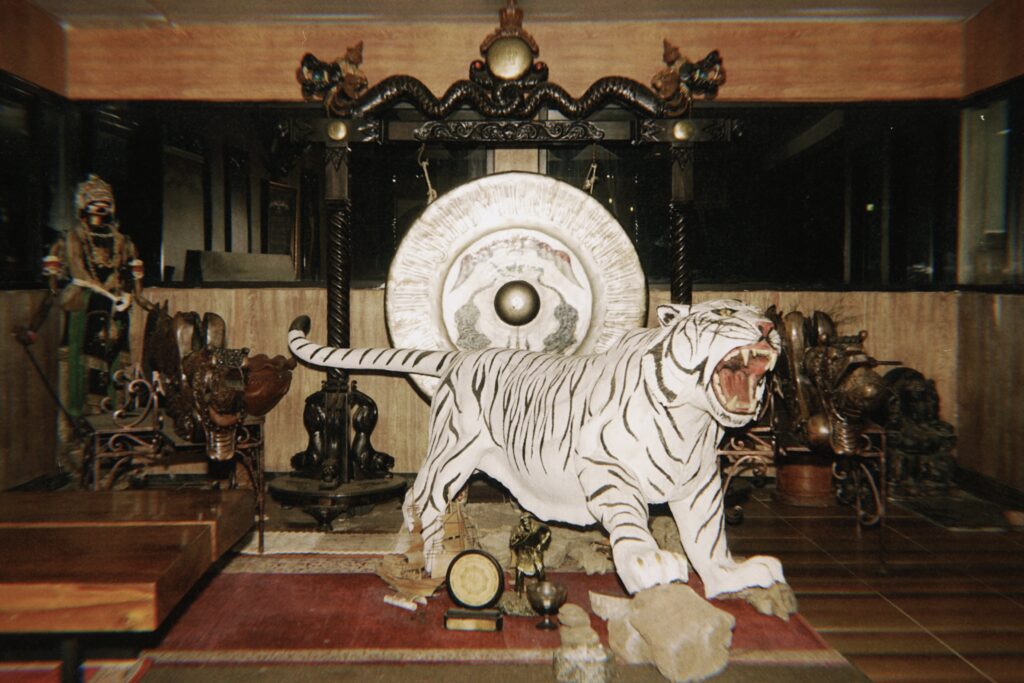
Hanging Out with a Purpose: Diving into Bandung’s Underground Music Scene
Bandung’s underground music scene isn’t just about the music—it’s a living, breathing culture built on community, resistance, and shared memory. The ritual of nongkrong is its lifeblood, a sacred space where history is passed down, alliances are forged, and creativity thrives against all odds.
Written by Teguh Permana (Tarawangsawelas)
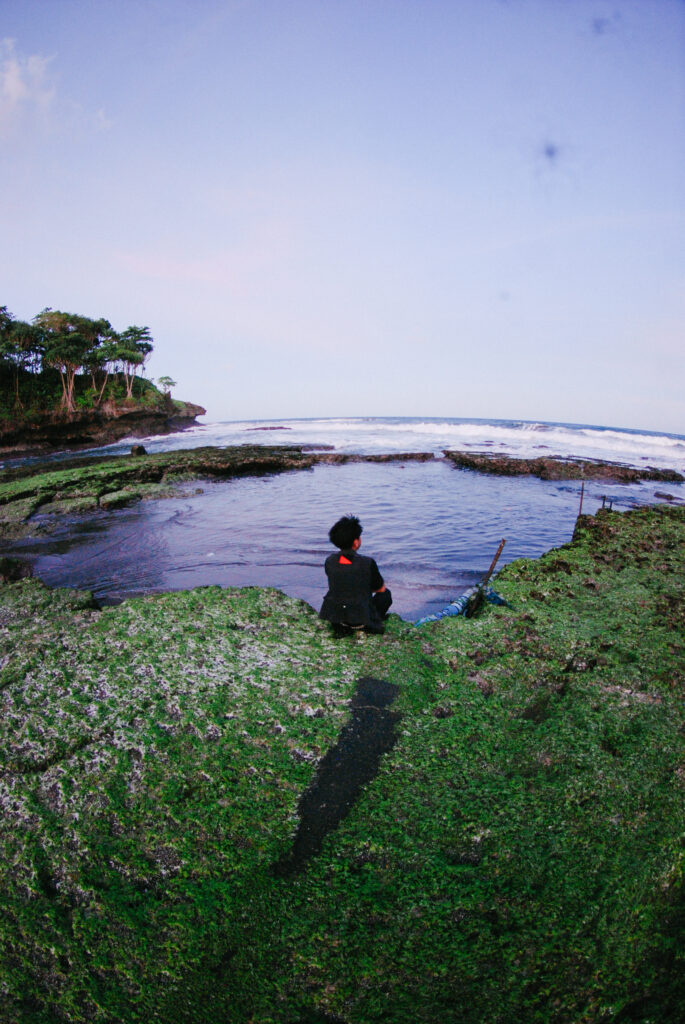
Pyrate Punx on the Beach: postcards from Libertad Fest
Libertad Fest is an annual punk music festival organised by the Bandung-based Pyrate Punx collective, coming to life every year through the assemblage of itinerant locations and various other collectives from around and outside the Indonesian archipelago.
Written by Luigi Monteanni
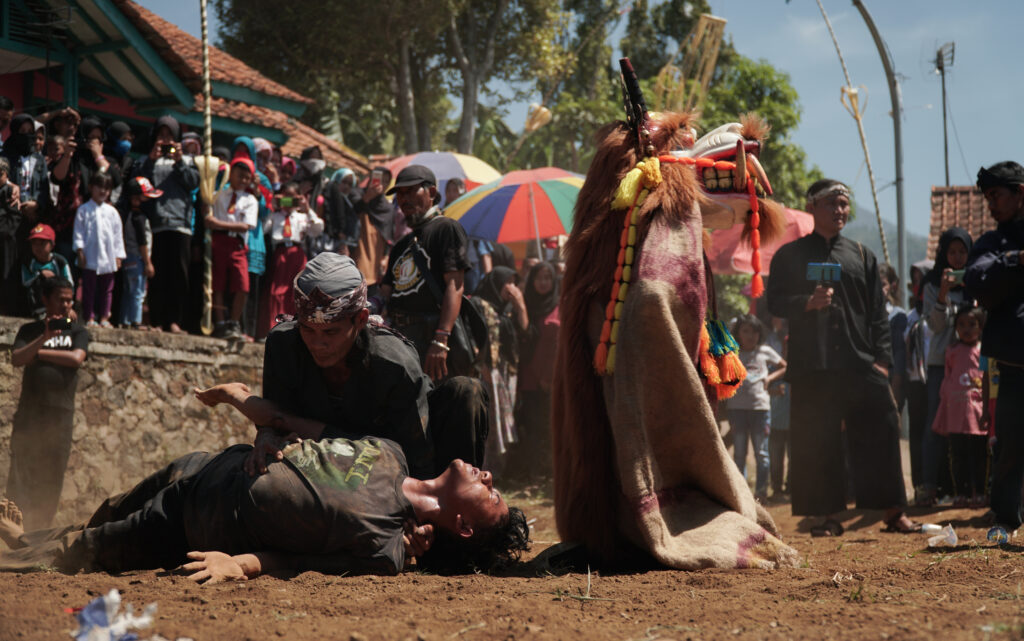
All fun, no rules: oppositional tradition and punk attitude according to Reak Balebat Pakidulan
Réak is a trance ritual which originated in Bandung, a subregional variant of horse trance dances, a group of pan-Indonesian performances known under various names such as jaranan and jathilan.
Written by Luigi Monteanni

Dembow a lo Dominicano
Dembow is a diasporic process that merges the foreign with the familiar, inventing shared dance grounds: an ever-changing rhythmic mantra that re-routes, re-roots, and fruits worldwide among the Dominican communities.
Written by Wayne Marshall

Heavy Bass, Diaspora Roots: Inside the Competitive World of Kitipó Culture in La Spezia and Beyond
Exploring the Dominican sound system culture, known as “kitipó” or “chipeo,” and tracing its journey throughout the diaspora—from its roots in the island’s musicology to its rebirth across the diaspora, including Italy, ultimately transforming culture.
Written by Jennifer Mota

Let Them Be Free
Exploring the scene’s eclectic aesthetic evolution: from Lagos’s cult horror films and the social critique of Yung Nollywood to gaming visual culture and world-building through Cruel Santino’s Subaru Boys project—and beyond.
Written by Adewojumi Aderemi
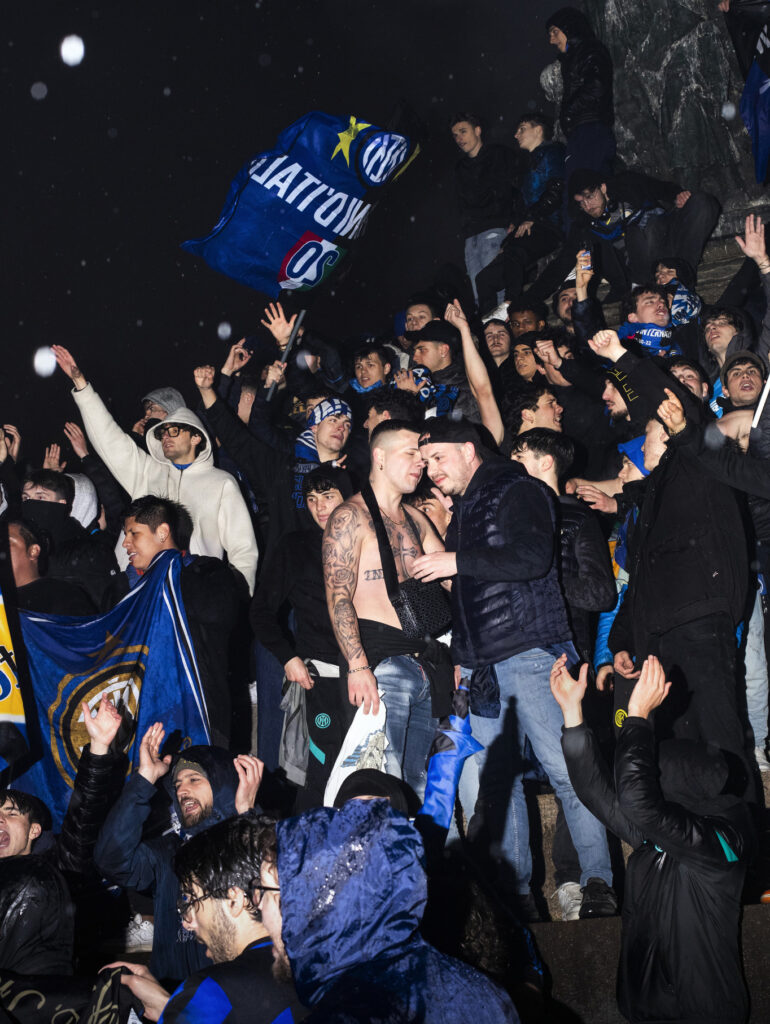
The Celebration of Victory
It was the classic grammar of celebration: the streets fill with people and empty of rules; the city becomes the set of a post-apocalyptic film, where authority vanishes and anthing, or almost anything, goes.
Written by Federico Corona

They’re all tens
More than a structured artistic scene, Dimes Square is a real-time mythology; an ecosystem of signals hovering at the boundary between performance and reality. If not explicitly alt-right, it is at the very least slightly reactionary: a glitchy remake of culture where gossip replaces journalism.
Written by Tommaso Dell'Anna
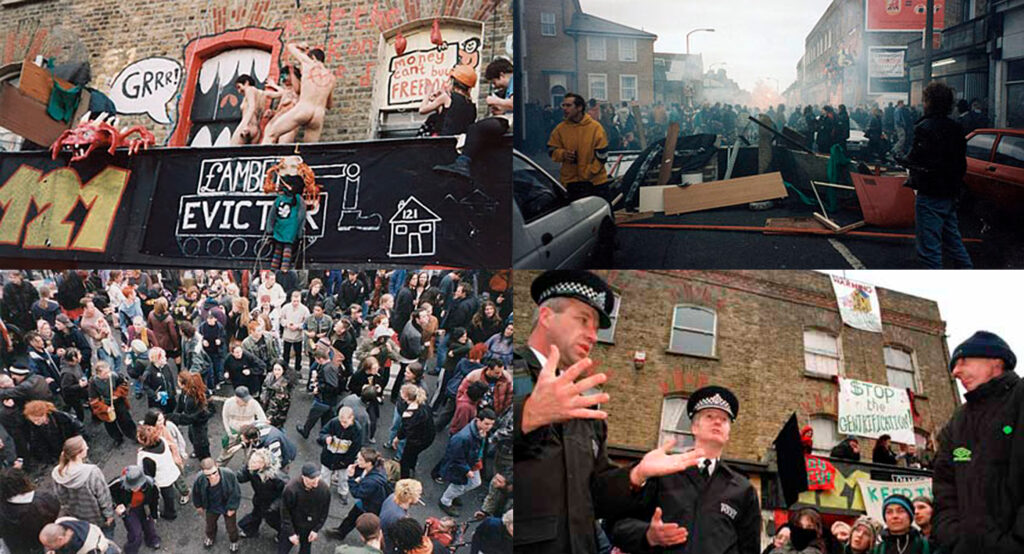
A story of sonic subversion: the breakcore in Brixton and San Vitale
In the volume-drenched darkness of 90s European rave culture, breakcore emerged as a vorticist rhythmachine—driven as much by the centripetal force of sub-bass and the infectiousness of syncopation as by the excitement of pure chaos and distortion.
Written by Francesco Birsa Alessandri
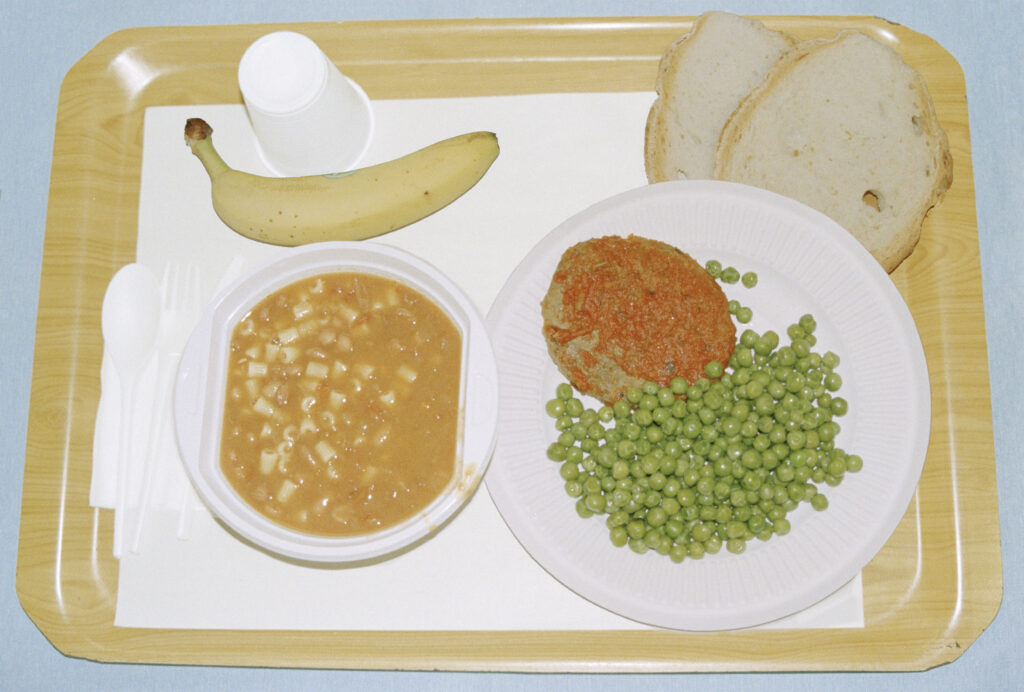
The “Cucina Economica”
The Cucina Economica of Testaccio, at 37 Via Mastro Giorgio, is one of three “affordable kitchens” operated by the Circolo San Pietro in Rome. Open since 1890, it serves over 40,000 lunches a year to those in need through a voucher system managed by local parishes.
Written by Nicola Gerundino
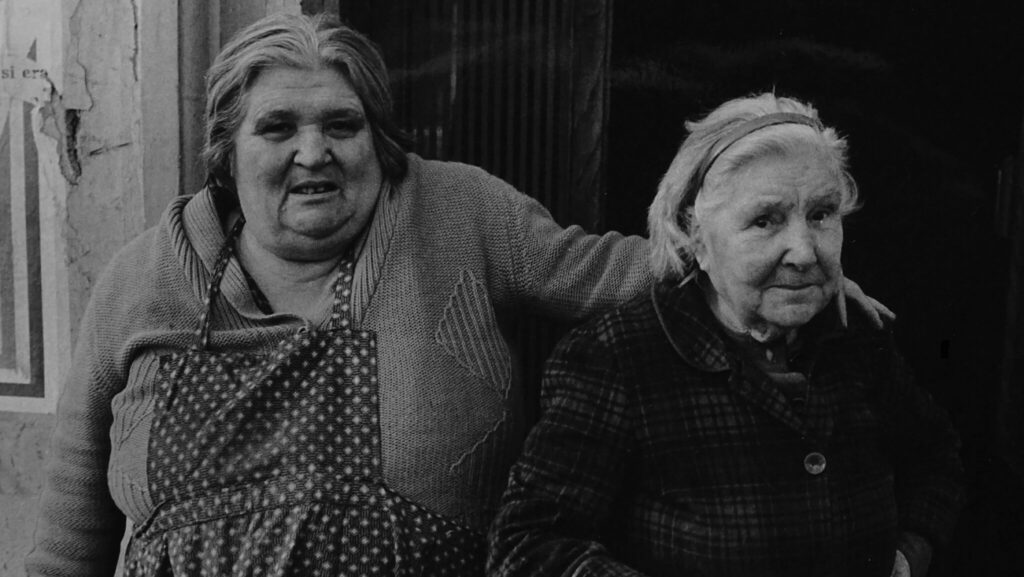
The Political Kitchen
This is the story of Rome’s first self-managed trattoria, founded in the 1970s in the Testaccio neighborhood. A group of eighteen young men and women came together with the idea of creating an alternative kind of business—one free from bosses and the alienation of conventional jobs.
Written by Marco Cinque