Magazine
Columns
At The Heart of the Heard
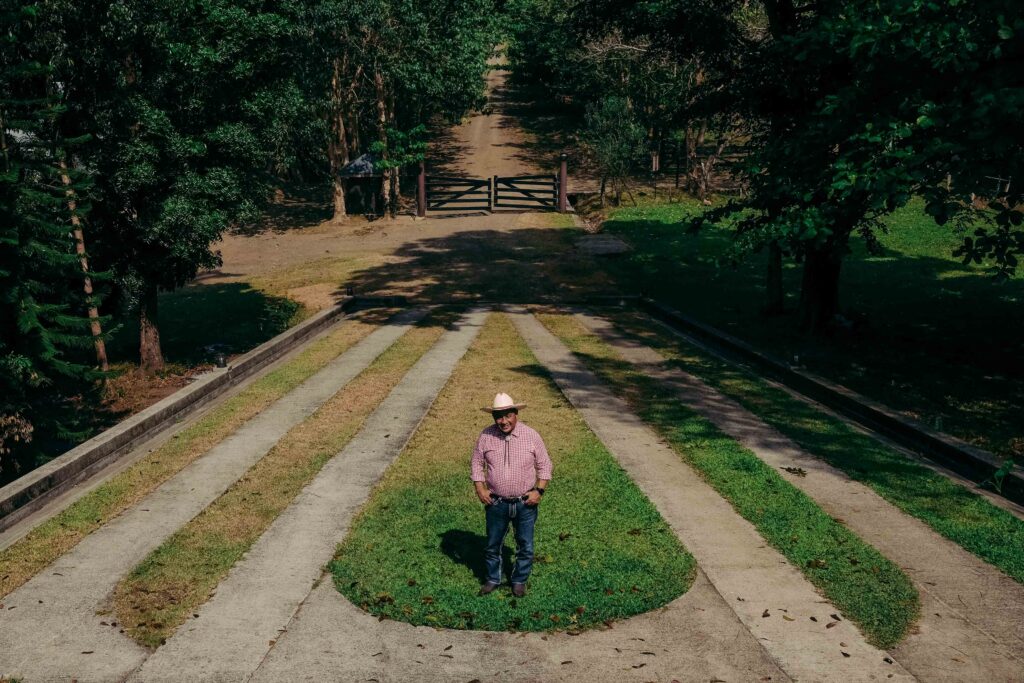
Masbate, one of the largest islands in the Philippine archipelago, revolves around cattle. Bulls, cows and pasture define its culture; ranches span the land, and labour has shaped a landscape marked by centuries of hoofprints. Lassoing, cattle wrestling and horse breaking are not just survival skills, but the basis of a singular public ritual: Southeast Asia’s largest rodeo.
Written by Mark Jerome Torres

Most People Already Cosplay: On cosplay,avatars, and the quiet violence of passing as normal
At the intersection of cosplay and concealment, animegao kigurumi reveals how identity shifts through embodiment. By fully erasing the visible self, the practice creates space for behavioral freedom and altered social dynamics. Confidence, gentleness, and play emerge through the mask, showing how identity is shaped in interaction rather than anchored to personal history.
Written by Shayli Harrison
“I wanted the second Holy Door to be here, in a prison.”
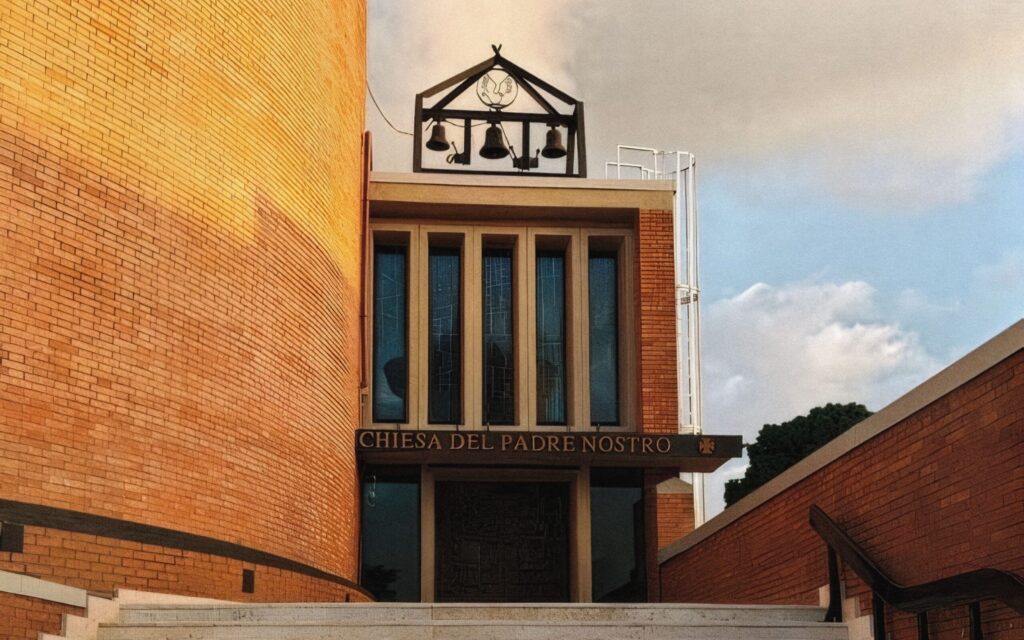
Pope Francis died in prison. He entered Rebibbia, fell into a coma, and died. It gave meaning to his mission. For the first time in history, a pontiff opened a Holy Door inside a penitentiary. Francis himself said that on that occasion, for one day, Rebibbia became a basilica: “I opened the first Holy Door at Christmas in St Peter’s, but I wanted the second Holy Door to be here, in a prison. I wanted each of us here, inside and outside, to have the chance to fling open the doors of our hearts and understand that hope does not disappoint.”
Written by Christian Raimo and Giulio Pecci

An Upside-Down World: Inside Rome’s Rebibbia Penitentiary Complex
Rebibbia is a “neighborhood that doesn’t exist”: a prison suspended between maps and walls, visibility and invisibility. Hyperlocal explores the shared ground between the district and its prison, two mirrored worlds that surface only in brief flashes of attention before returning to silence, revealing stories, voices, and reflections on justice, time, and coexistence—told directly by inmates and through original narratives that position Rebibbia Prison itself as a central subject.
Written by Nicola Gerundino

DIY Bandung and the Politics of Place
From street punks on Jalan Sumatera to death metalheads in Ujung Berung, the straight edge youth crew in neighbouring Sumedang, the anarchist crust punks of Rumah Pirata, and the emerging scene in Buahbatu featured in this issue, the history of the underground and its DIY practices reflects the narratives of local neighbourhood scenes, interlinking shifting underground styles, identities, values, and practices with the evolving urban landscapes of Bandung.
Written by Sean Martin-Iverson
The Biggest Rip-off in Indonesia Police History
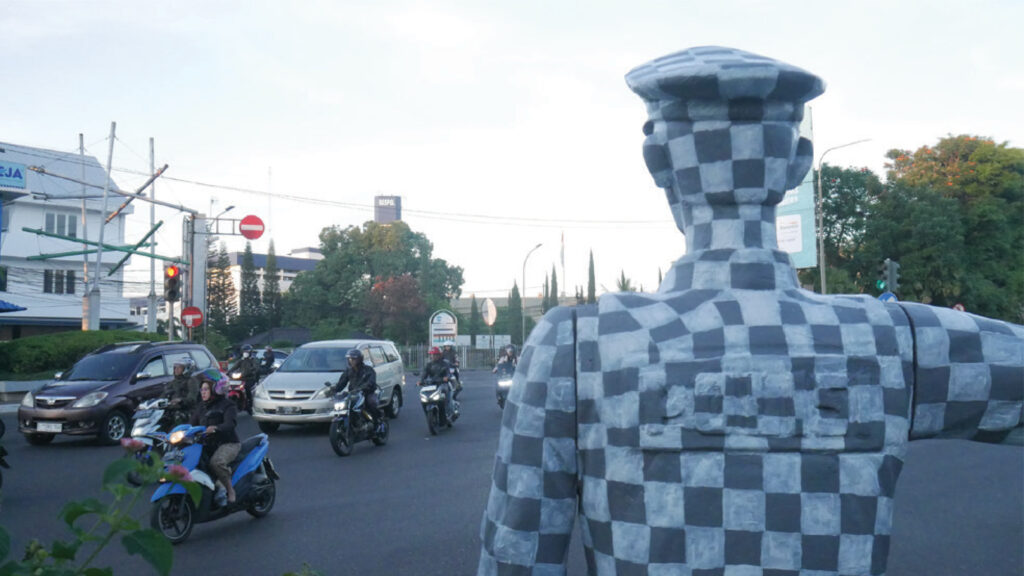
Studio Pancaroba turns a national crisis into an absurd monument to corruption.
Written by Studio Pancaroba
Kampungan: Reclaiming Indigeneity and Cosmopolitanism in Bandung’s Underground Scene
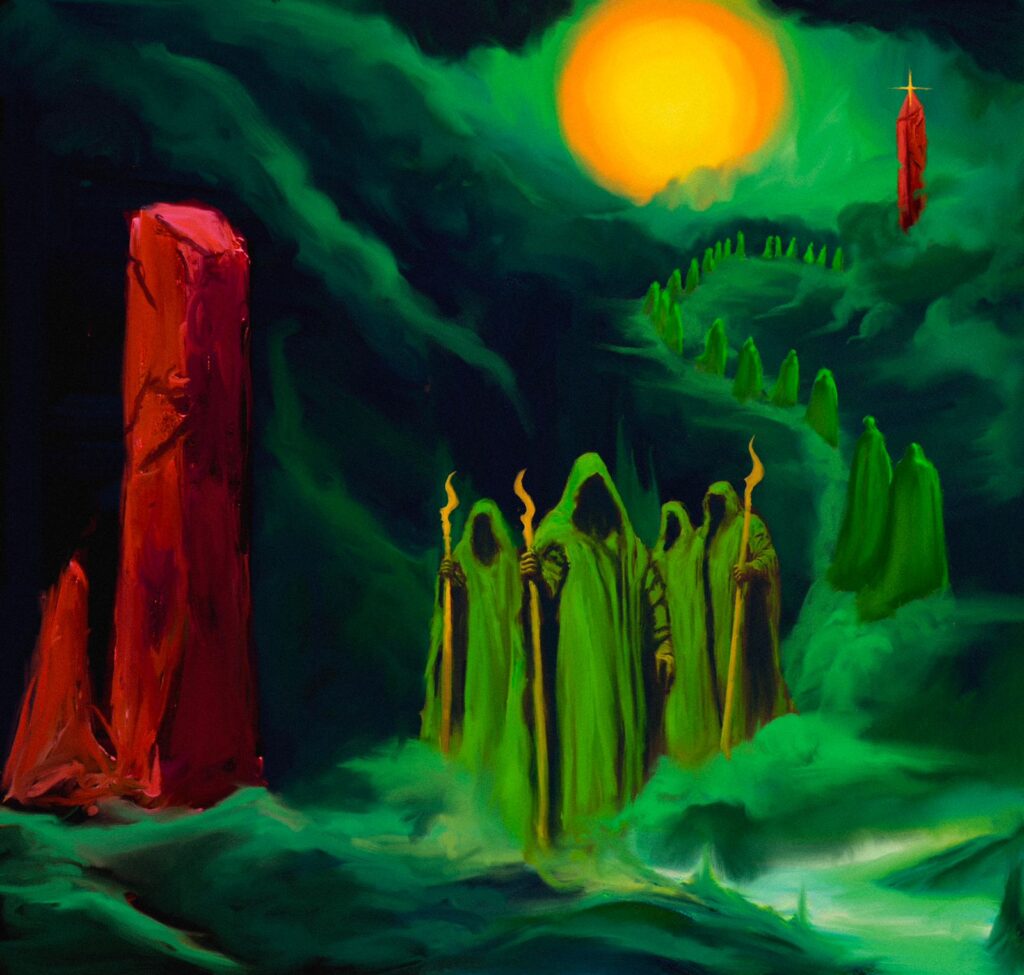
From early on, the meanings and effects of indigeneity and cosmopolitanism have been core themes of Indonesia’s underground scene, which has gradually gained strength both locally and globally in artistic and political spheres.
Written by Luigi Monteanni

The Role of Myth: Upholding Metal Identity in Ujung Berung, Bandung
The Ujung Berung metal community has become a case study of a chameleon-like and versatile countercultural space, exemplifying the role of underground music myths in creating environments where education, expression, and dissent intertwine, grow, and evolve.
Written by Hinhin Daryana

A thunder in Java: why Indonesian underground matters
At a time when music censorship is returning, political mobilization is rising, and student protests are spreading, the story of Buahbatu is not only urgent—it is necessary.
Written by Luigi Monteanni

La Comunidad
In the Umberto I neighbourhood, each small group, each corner, each bar, kiosk, and bench has its soundtrack: from the most traditional and rhythmic merengue, with its accordion and drum rhythms, to the melodic, guitar-driven bachata, to the fast-paced dembow, a frenzied beat popular among the younger crowd, featuring percussive beats and alternating rap vocals.
Written by Danilo Manera

Hyperlocal Presents at Triennale Milano Three New Magazines on Victoria Island (Lagos), Umberto I (La Spezia), and Buahbatu (Bandung)
At the 24th International Exhibition of Triennale Milano, “Inequalities / Cities”, Hyperlocal will unveil three abridged versions of its Billboard-Magazine and two Live Clubs, dedicated respectively to the Alté scene of Victoria Island in Lagos, the Dominican Kitipó culture of Umberto I in La Spezia, and the extreme, anti-authoritarian DIY community of Buahbatu in Bandung.
Written by Piergiorgio Caserini

The Temple: Symbol and Dream of a City
For almost a century, San Siro has been the custodian of the dreams of millions of people, whose hopes blend and mix, each time fueling its spirit: it is the temple where contemporary heroes perform—playing the most-watched games in recent history and singing the most iconic songs before tens of thousands of people.
Written by Federico Corona

The district of food and kitchens
The Testaccio neighborhood in Rome has a millennia-old history, beginning with the port and warehouses of the Roman era and evolving with the construction of the public slaughterhouse in the late 19th century. From its discarded cuts of meat, the ‘quinto quarto’ cuisine was born—today considered the quintessential expression of the city’s culinary tradition.
Written by Nicola Gerundino