Most People Already Cosplay: On cosplay,avatars, and the quiet violence of passing as normal
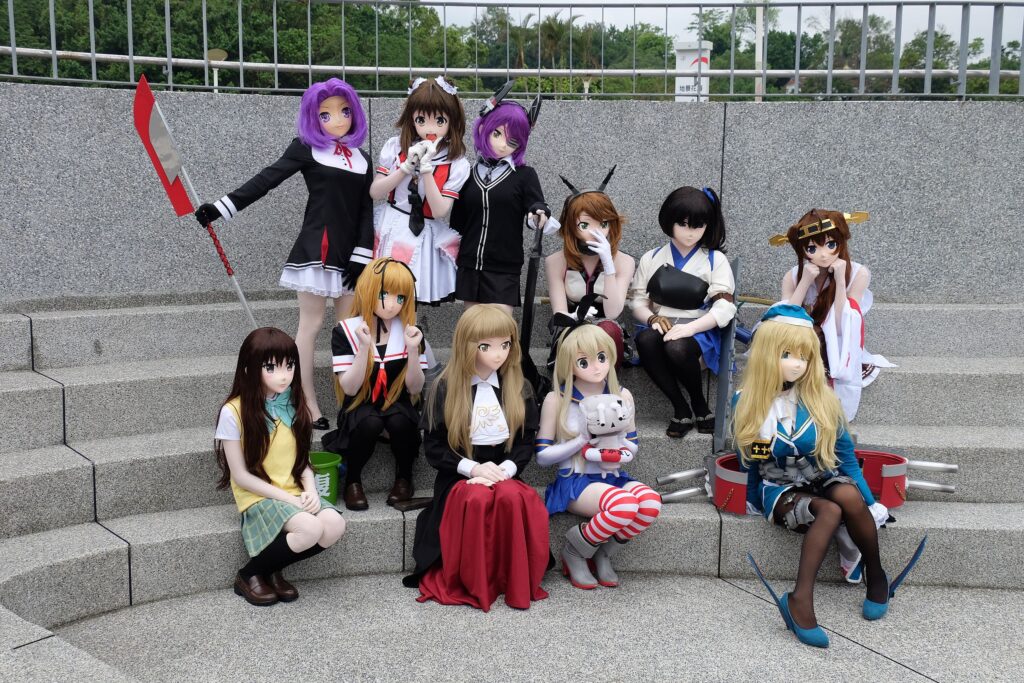
Animegao kigurumi pushes cosplay to its limit, replacing the wearer with the character entirely. In doing so, it reveals how identity can loosen, adapt, and reorganize through disguise, movement, and response, turning the mask into a tool for social and emotional transformation.
At FACTS 2025, the Belgian Comic Con, I encountered a furpile that had no interest in moving. A cluster of furries lay sprawled on the floor, paws overlapping and tails twitching, producing a steady soundtrack of barks and squeaks. The scene looked less like a performance and more like a collective decision to stop pretending to be adults. People stepped around them carefully, as if the furpile were a natural feature of the landscape. No one intervened, and no one asked questions. This was what play looked like once apology was no longer part of the equation.
What struck me was how little justification the scene required. The furries were not explaining themselves or inviting interpretation. They were fully present, absorbed in a shared fiction with its own physical language and social rules. The effect had little to do with fantasy or spectacle and everything to do with commitment. Everyone involved behaved as though this version of reality was sufficient for the moment. Watching them, I recognised a dynamic I had encountered previously, long before I had language for it.
Later, at seventeen, newly alone in Sydney, I found my way to a group of club kids known as the Children of Paradise. We were an eclectic assemblage of queers from wildly different walks of life, loosely inspired by the original Club Kids, a flamboyant and hedonistic youth movement that shaped New York nightlife in the late eighties and early nineties. We gathered at a nightclub called The Carnival of Electric Illusions, where the nights revolved around avant-garde performance, improvised theatrics, and trophies for best dressed. Dressing up was not a side note. It was the event.
Dressing up with the Children of Paradise created a fast track to honesty. Together, we dropped our usual caution and experimented openly with confidence. Our extravagant appearances made it easier to be dramatic, exposed, even excessive. Conversations moved faster and cut deeper. Encounters felt less guarded. I met people at their loudest, softest, strangest, and most unfiltered. The club became a place where restraint loosened and people showed up in ways that felt unusually real.
That early exposure left me with a lingering suspicion that identity was far more responsive to context than we like to admit. Years later, this suspicion became the focus of my research at the Antwerp Royal Academy, where I study the relationship between digital and physical identity through what psychologists call the Proteus Effect. The term refers to the phenomenon in which repeatedly embodying a digital avatar or game character leads people to adopt that character’s behavioural qualities in everyday life, becoming more confident, assertive, or socially expressive beyond the screen. First identified by researchers Nick Yee and Jeremy Bailenson, the effect is well documented in gaming environments. What interests me most is how clearly this same process appears offline.
The change was not only visual. It affected how people spoke, how they moved, and how long they stayed in a room.
Cosplay, at its simplest, is the practice of dressing as fictional characters, most often from games, anime, or film. But in practice, it is less about imitation than inhabitation, about stepping into a character long enough for it to shape how you move, speak, and relate to others. In this environment, posture changes, interaction patterns shift, and the psychological effects become difficult to ignore.
What I was seeing in practice was not isolated. Again and again, people described feeling more confident in costume, more socially open, more willing to be seen. Many spoke about conventions as places where friendships formed faster, where shyness loosened its grip, where it felt safer to try on parts of themselves that daily life kept muted. Scholars such as Theresa Winge and Nicolle Lamerichs have written about similar patterns, describing cosplay as a space where identity becomes temporarily negotiable. The change was not only visual. It affected how people spoke, how they moved, and how long they stayed in a room.
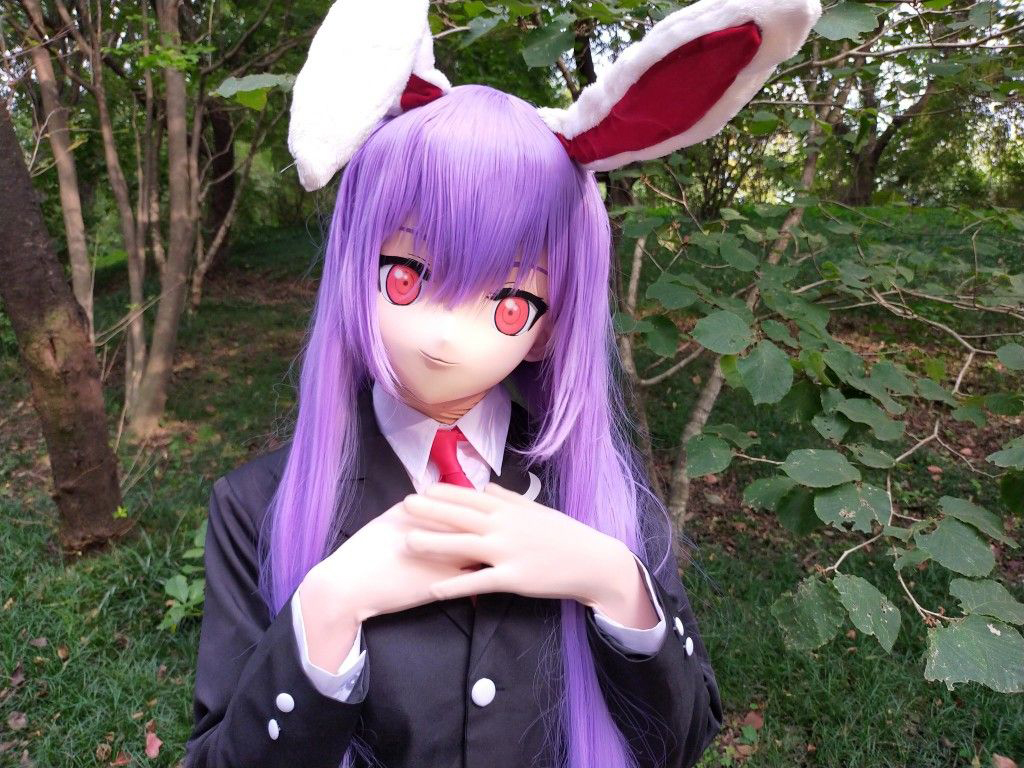
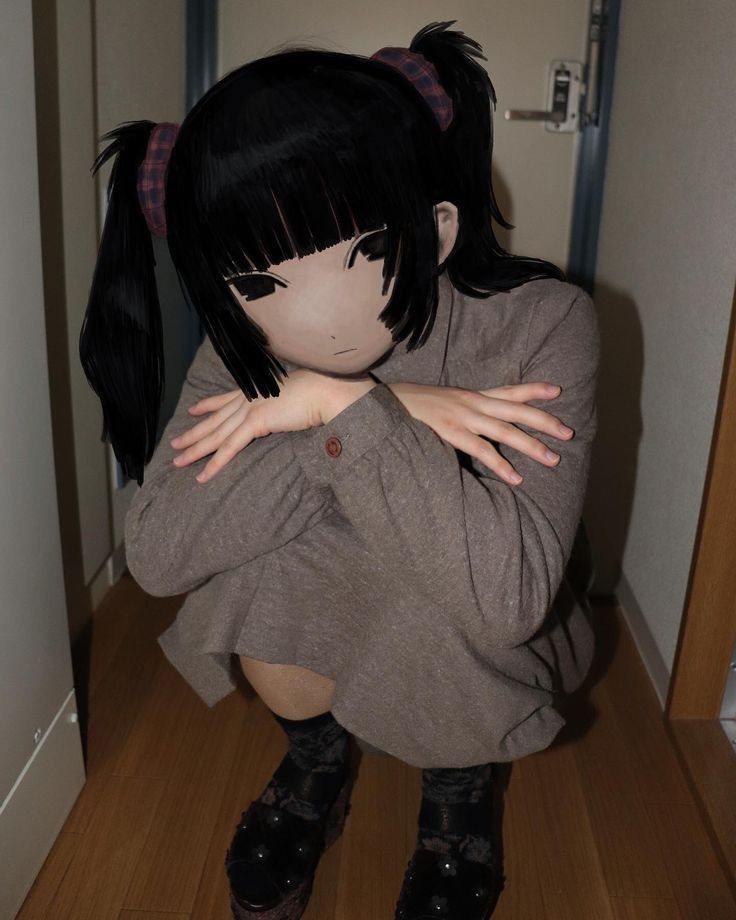
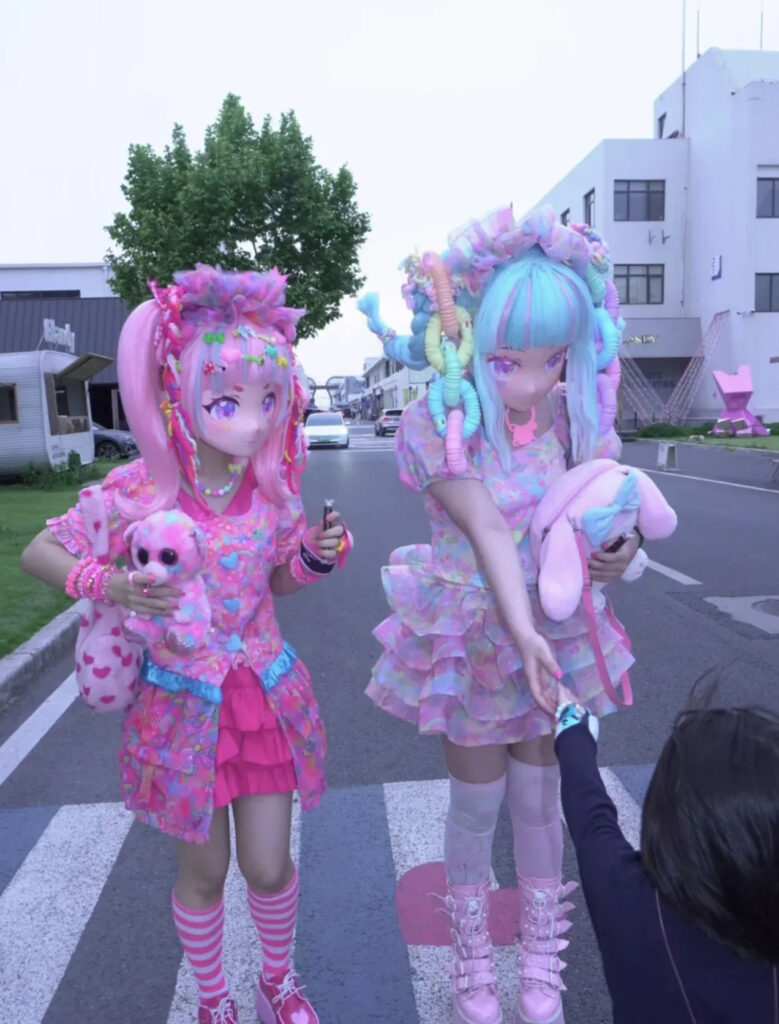
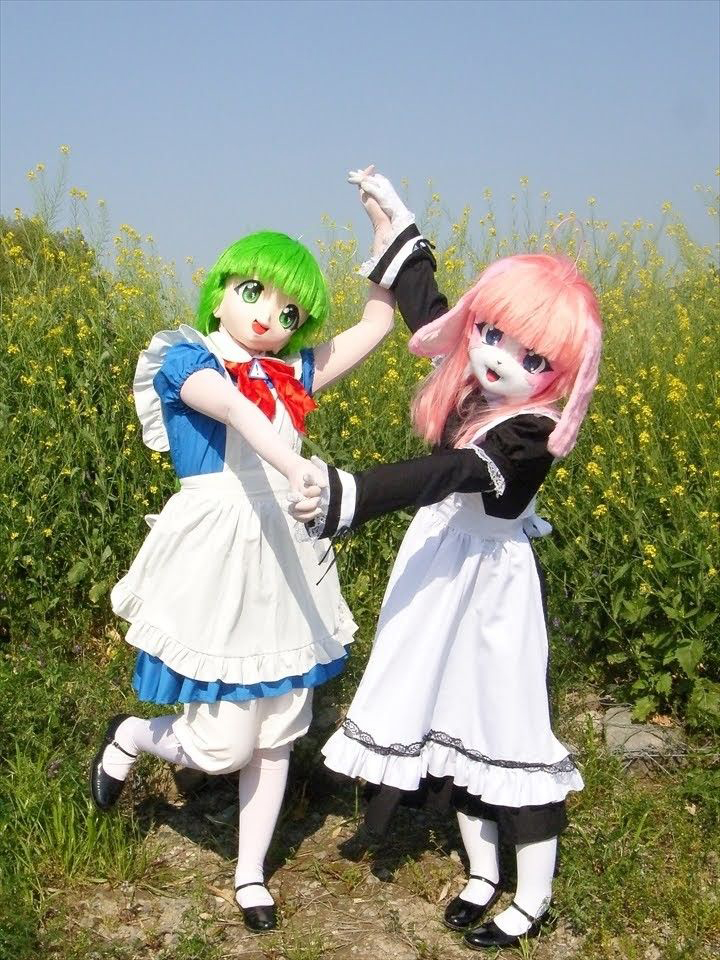
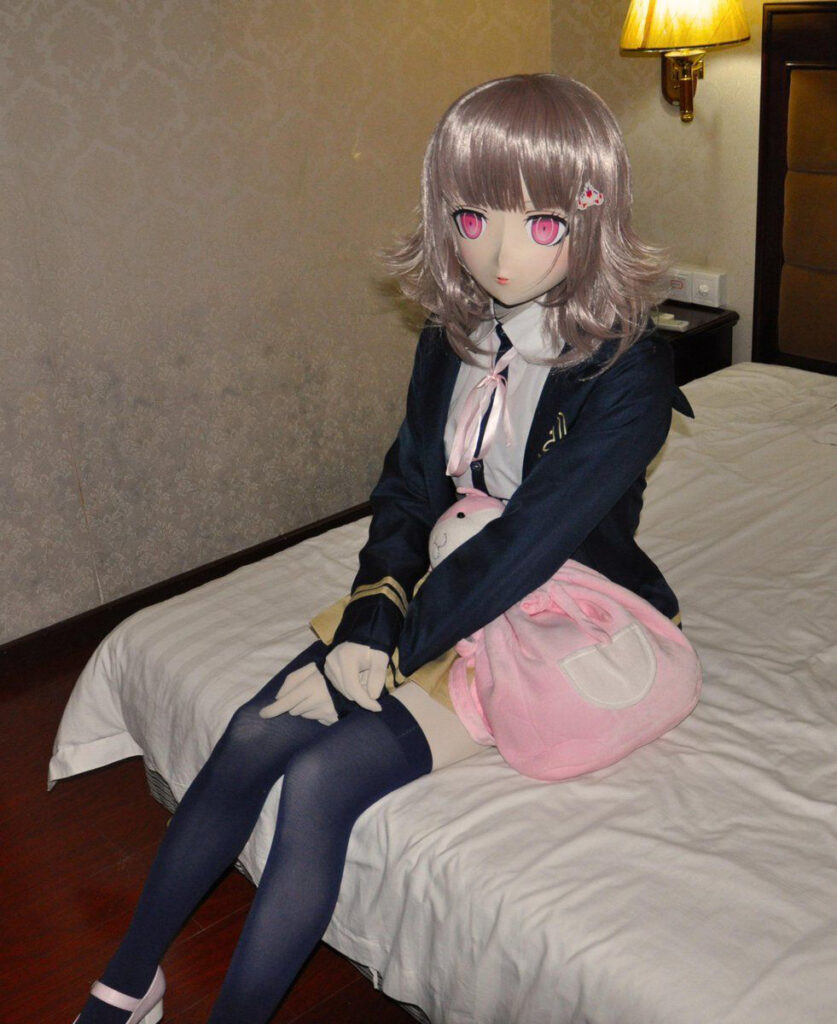
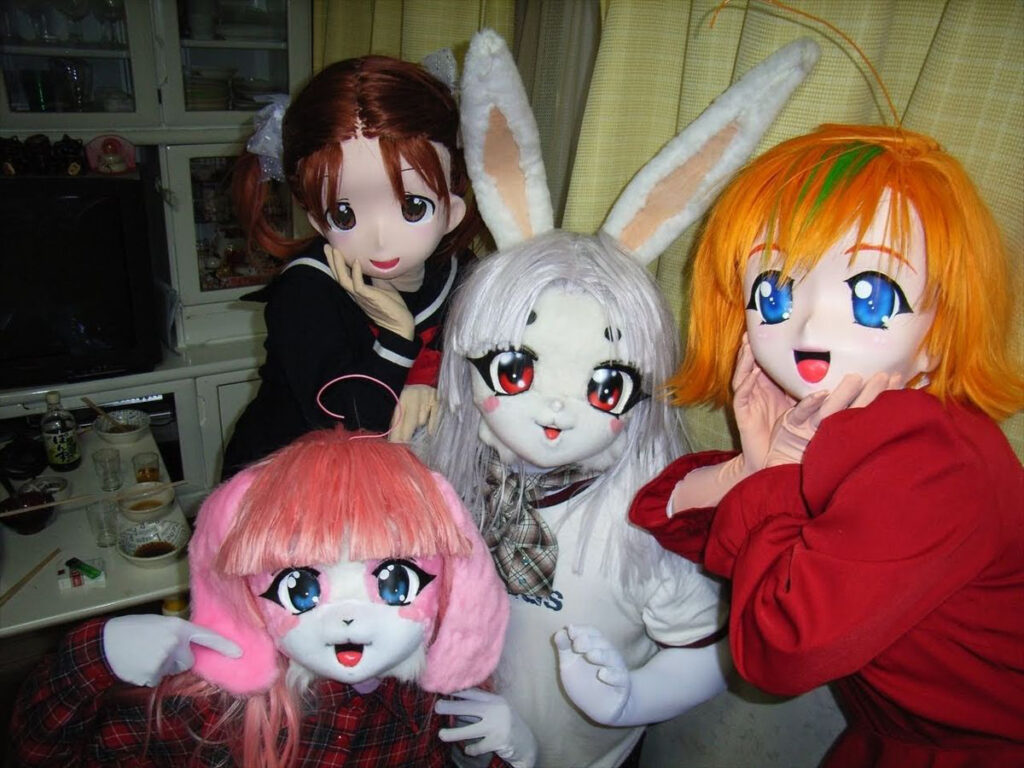
At FACTS 2025, I also encountered my first animegao kigurumi cosplayer and immediately understood why people find it unsettling. Animegao kigurumi is a form of cosplay in which performers wear hyper-realistic masks and full bodysuits that completely replace the wearer’s visible identity. Unlike most cosplay, where the face remains visible, kigurumi erases the person entirely and leaves only the character behind.
The character appeared to have leapt straight from screen to reality. A young child approached without hesitation. When the cosplayer knelt down, the interaction became quietly intense. The child responded to the character as real, and the person inside the suit seemed to recede. Watching them, it was hard not to wonder who was actually present and whether the answer even mattered.
Rather than interpreting the scene myself, I wanted to understand how it felt from the inside. When I asked the kigurumi cosplayer about this, they described how people respond to the character first, not to them. Being hidden, they explained, made it easier to adapt, to soften their gestures, to become more playful or gentle depending on who approached. The mask created distance from their everyday self, and in that distance, they found freedom.
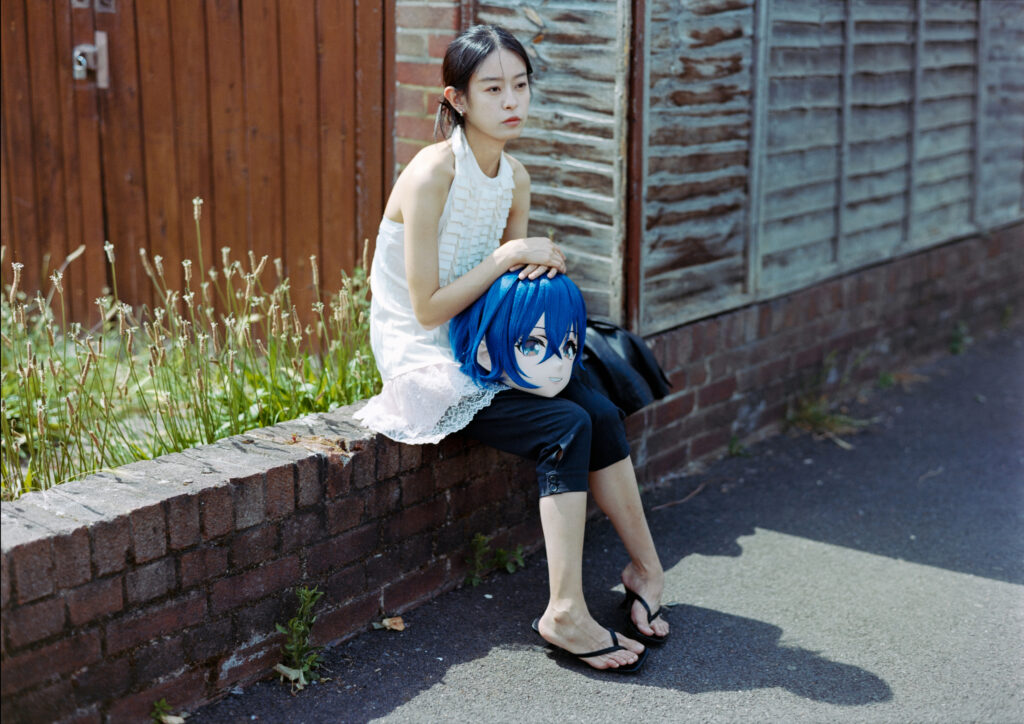
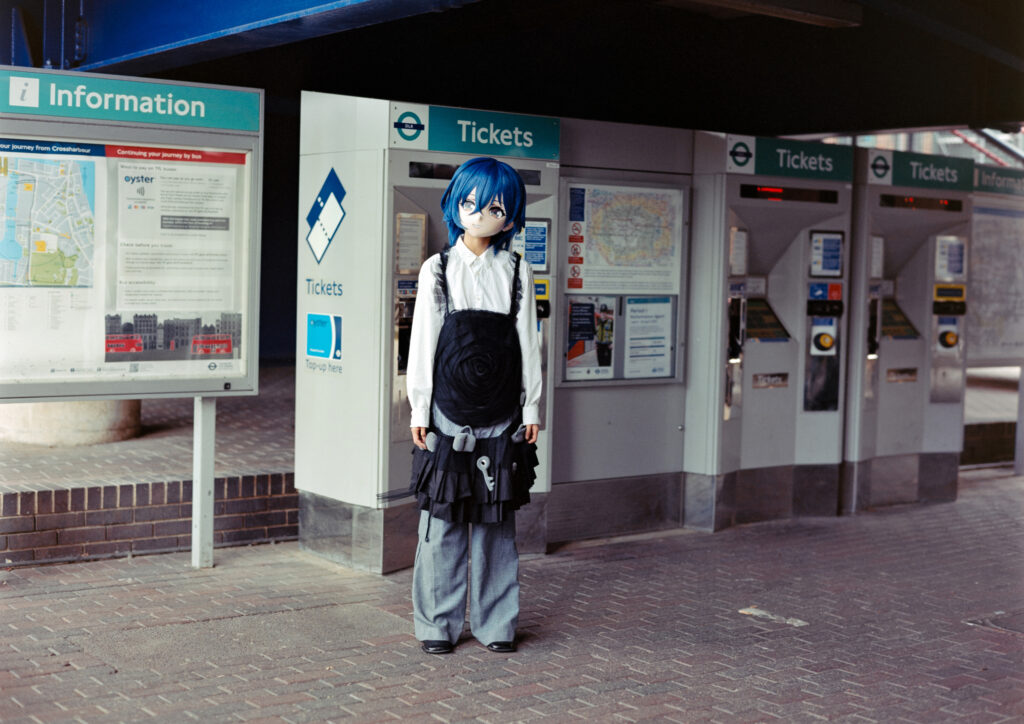
Girls by Jessica Liao
What stayed with me was the role concealment played in shaping the encounter. The mask shifted attention away from the individual and toward the interaction itself. Freed from personal recognition, the cosplayer could respond more openly and with greater flexibility. The character provided a framework that made certain behaviours easier to access.
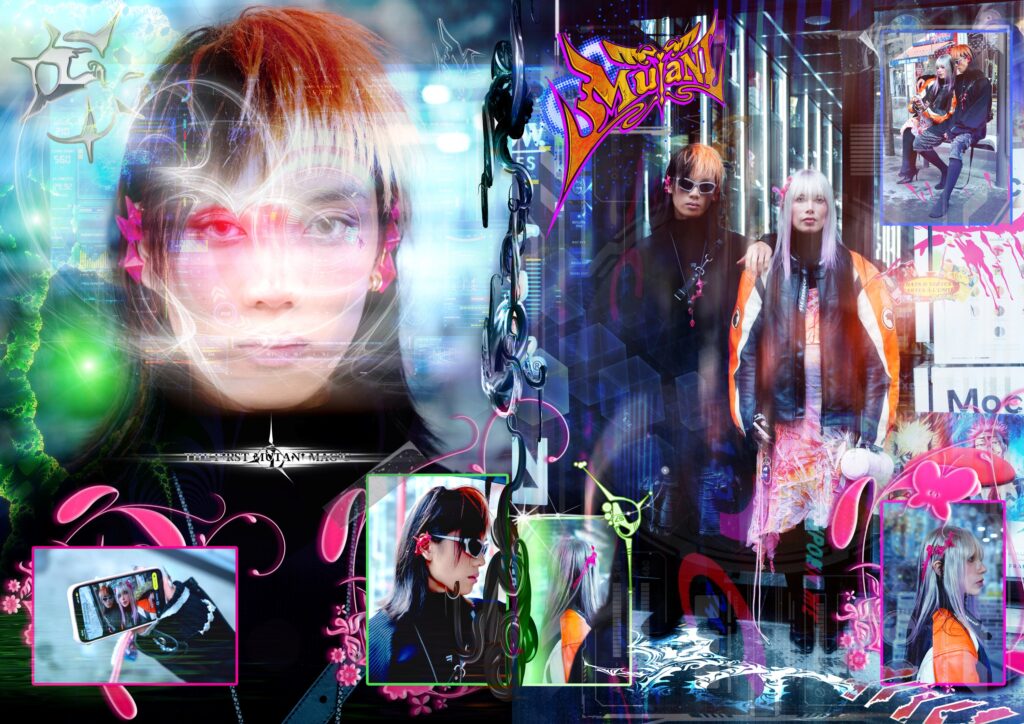
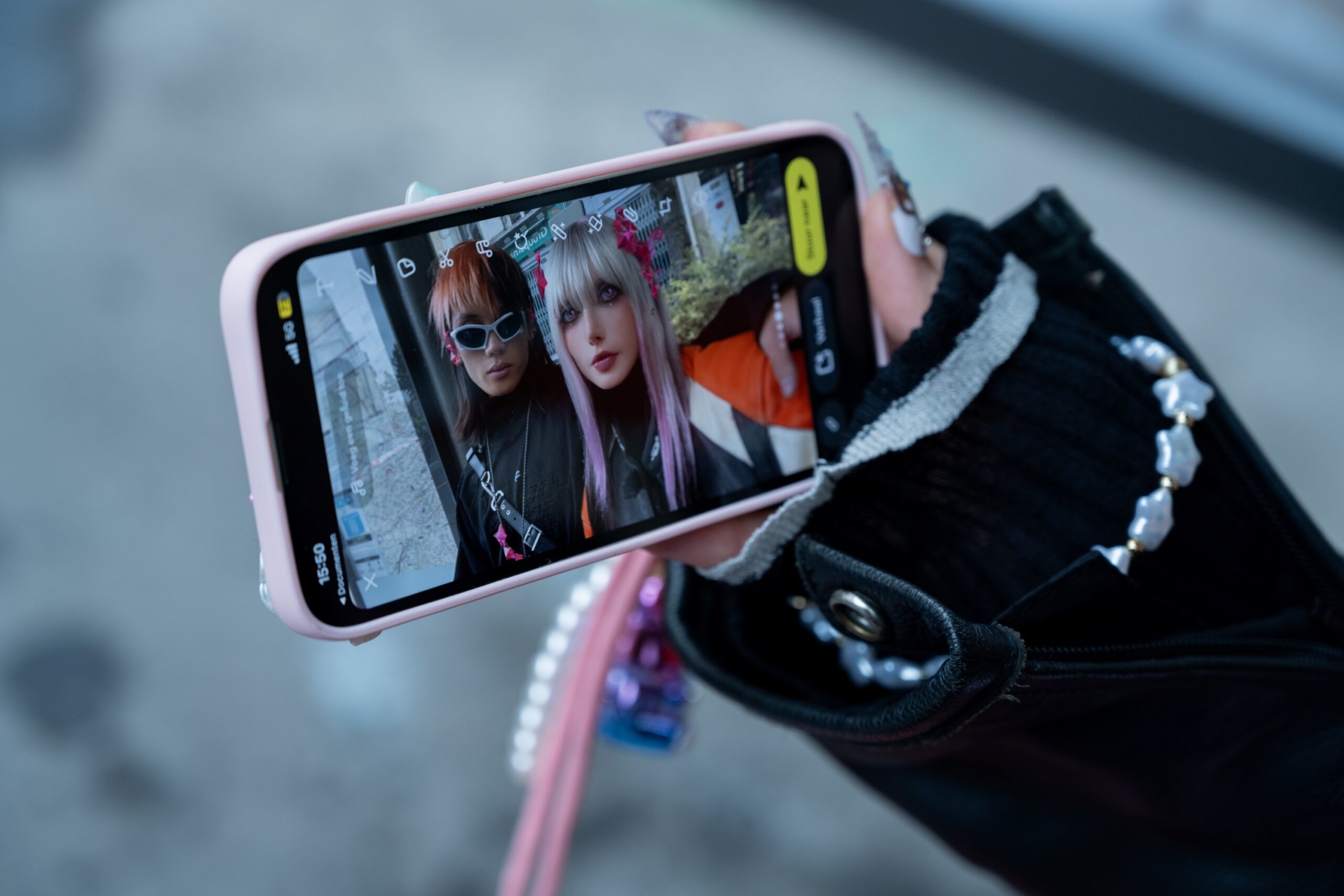
Scenes like this prompted me to question why transformation is usually limited to specific settings. Conventions and clubs function as temporary zones where deviation is permitted, largely because it is expected to end. I became curious about what might happen if these shifts were allowed to surface in everyday life without spectacle. That question led me to create MUTANI, a fashion brand where garments take inspiration from the visual language of gaming and anime characters without becoming a costume: extending identity rather than replacing it.
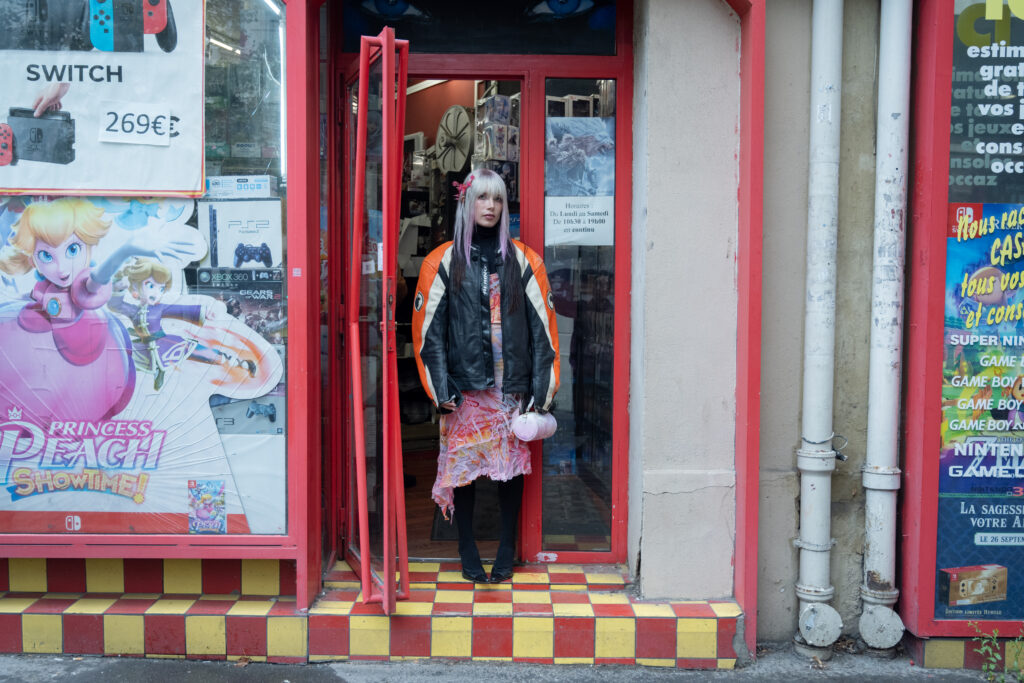
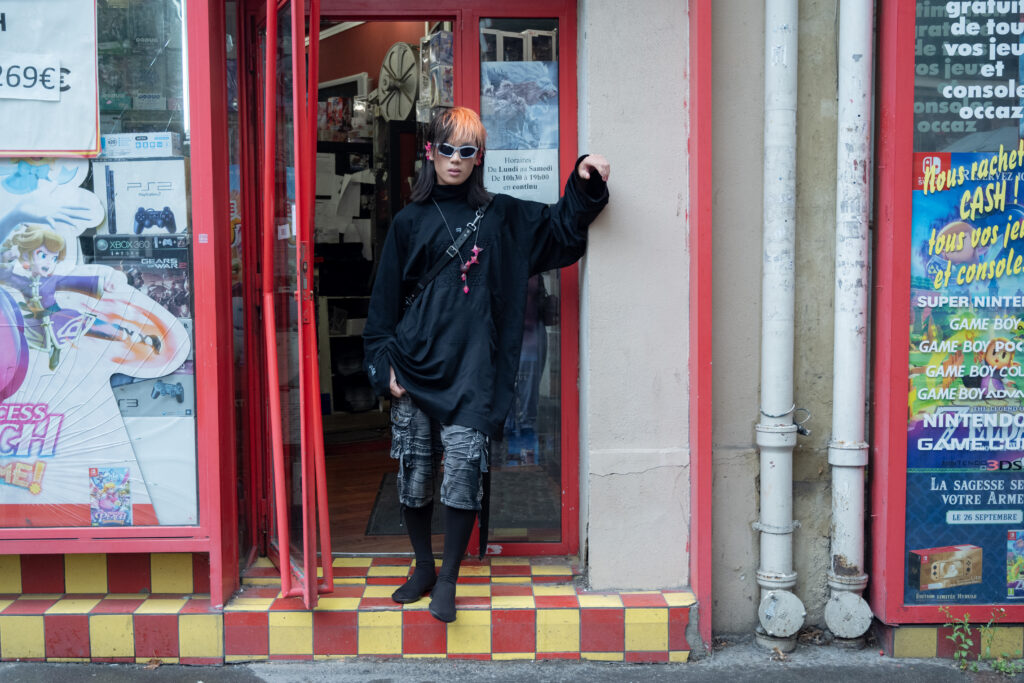
MUTANI 2024. Photo by Lea Sophia Mair
Identity reveals itself as something responsive, shaped by circumstance and imagination rather than anchored to a single form.
Clothing has long served as a tool for shaping identity. Long before digital avatars offered endless customisation, fabric and silhouette shaped how people experienced their bodies and how others responded to them. Yet a culture invested in neutrality often treats expression as unnecessary, favouring palettes and silhouettes designed to fade into the background. This approach presents itself as natural while quietly enforcing a narrow range of acceptable appearances.
Across dancers, club kids, cosplayers, and gamers, I have seen how little it takes to disrupt this pattern. A change in proportion, an unfamiliar texture, or a garment that alters how the body moves through space can produce noticeable shifts in confidence and presence. Identity reveals itself as something responsive, shaped by circumstance and imagination rather than anchored to a single form.
The furpile at FACTS did not appear staged for effect. It was simply a group of people occupying versions of themselves that worked for that moment. Their ease made the scene convincing. Watching them, I realised how little separates who we are from who we could be. Most people already cosplay every day, choosing characters designed to pass unnoticed. The furpile made that obvious. It exposed how much discipline goes into appearing normal and how little imagination that performance requires. A second skin does not make you braver. It just shows how thoroughly you have been trained not to be.